WASHINGTON (TNND) — The CIA was reportedly behind a drone strike carried out last week on a dock believed to have been used by Venezuelan drug cartels, anonymous sources familiar with the situation told The Associated Press.
President Donald Trump, for months, has suggested that he may conduct land strikes in Venezuela as the administration’s pressure campaign on Venezuelan President Nicolás Maduro ramps up.
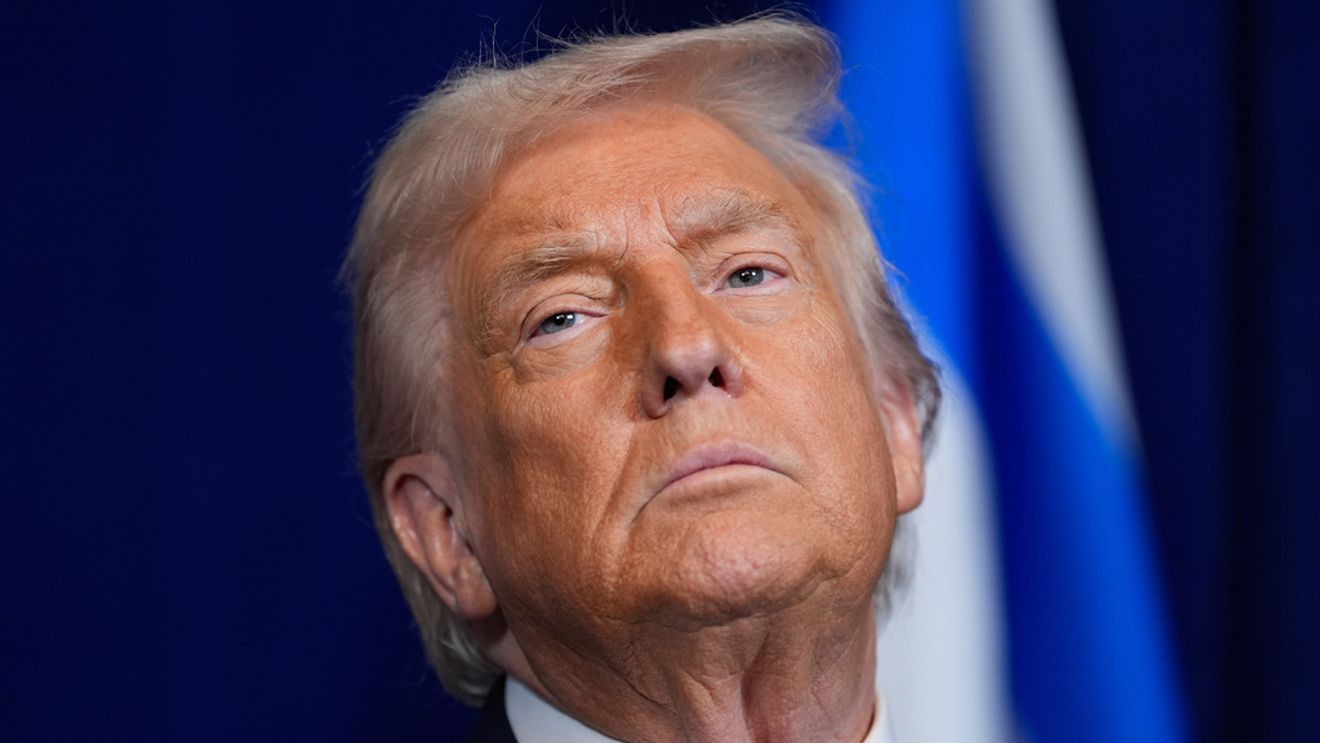
Trump referenced the strike on Monday while talking to reporters ahead of his meeting with Israeli Prime Minister Benjamin Netanyahu, describing it as a “major explosion” at a location where boats accused of smuggling drugs were loaded.
“There was a major explosion in the dock area where they load the boats up with drugs,” Trump said. “So we hit all the boats and now we hit the area and that is no longer around.”
Trump declined to say who carried out the strike or where it occurred, and did not explicitly confirm it took place in Venezuela.
“I know exactly who it was, but I don’t want to say who it was,” Trump said. “But you know it was along the shore.”
The comments follow remarks Trump made Friday during a call-in interview on WABC radio, where he appeared to confirm a strike on a shore-based facility tied to alleged drug smuggling operations.
“I don’t know if you read or saw, they have a big plant or a big facility where the ships come from,” Trump said. “Two nights ago, we knocked that out.”
The CIA and White House officials also declined to offer further comment on the matter. Col. Allie Weiskopf, a spokesperson for Special Operations Command, which oversees U.S operations in the Caribbean, said in a statement that “Special Operations did not support this operation to include intel support.”
The strike escalates what began as a massive buildup of U.S. personnel in the Caribbean Sea starting in August, which has been followed by at least 30 U.S. military strikes on alleged drug boats in the Caribbean and eastern Pacific. More recently, Trump has ordered a quasi-blockade aimed at seizing sanctioned oil tankers coming in and out of Venezuela.

The crude oil tanker Skipper recently seized by the U.S. off the coast of Venezuela, seen as the ship was traveling in a southwesterly direction and positioned approximately 33 kilometers north of Guadeloupe, in the southern Caribbean Sea, Dec. 12, 2025. (©2025 Vantor via AP)
The administration is required to report covert CIA actions to senior congressional officials, including the chair and ranking members of both the Senate and House intelligence committees. But Trump, by entrusting what appears to be the first land strike of the Venezuelan campaign to the intelligence agency, could be calculating that the action would face less scrutiny from lawmakers than a military strike.
“I authorized for two reasons, really. No. 1, they have emptied their prisons into the United States of America,” he said in October as he confirmed to reporters his approval for the CIA to act. “And the other thing, the drugs, we have a lot of drugs coming in from Venezuela, and a lot of the Venezuelan drugs come in through the sea.”
All the while, Trump has repeatedly said Maduro’s days in power are numbered. The Venezuelan leader and members of his inner circle have been under federal indictment in the United States since 2020 for narcoterrorism and other charges.
Maduro has denied the charges and insists the purpose of the U.S. operations is to force him from power. The U.S. Justice Department this year doubled the reward for information that leads to his arrest to $50 million.
_____
Editor’s note: The Associated Press contributed to this article.

 National Headline