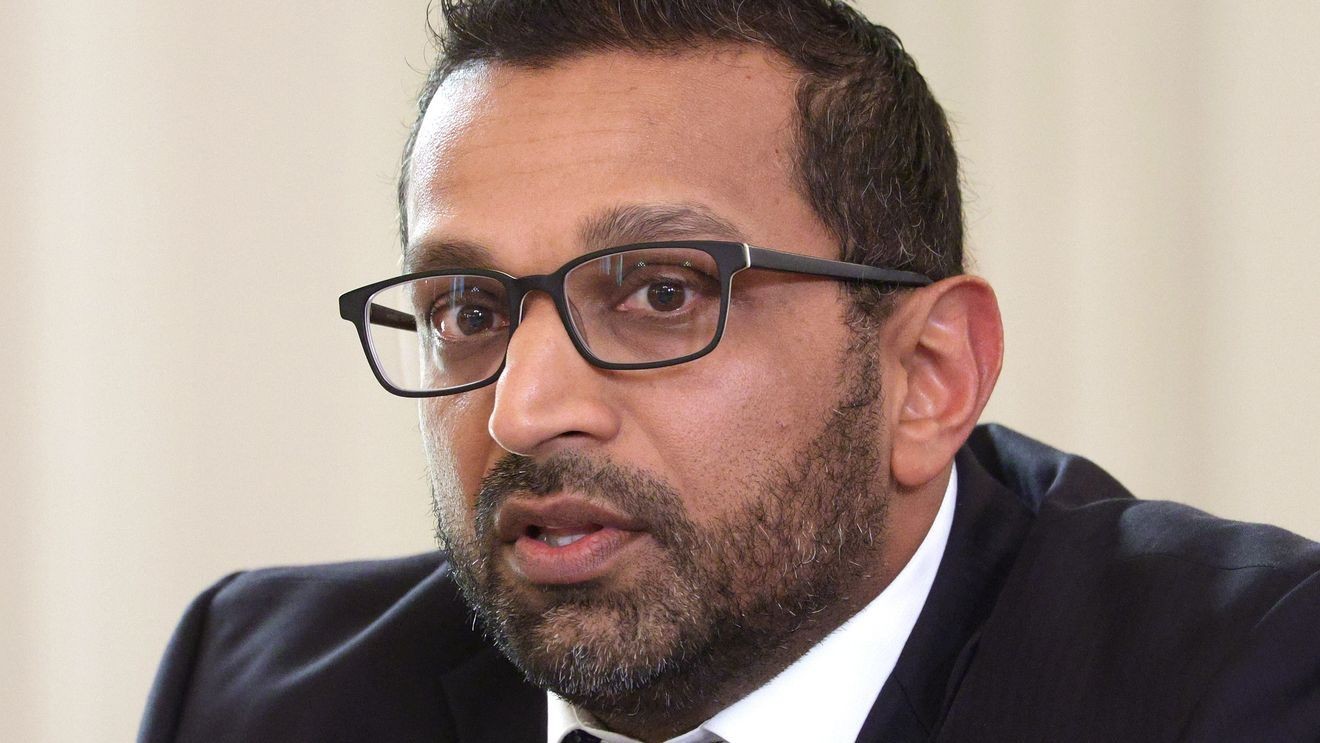
WASHINGTON (TNND) — FBI Director Kash Patel announced on X that the Strategic Information & Operations Center (SIOC), which is tasked with collecting and disseminating strategic information for the agency, has undergone a “massive overhaul” and will now be known as the Director’s Strategic Information Center (DSIC).
Patel shared that the creation of the DSIC will ensure that the FBI has access to “high-speed, rapid dissemination of information.”
We’ve rebuilt the FBI’s global operations center to ensure real-time awareness of threats and deployment to critical incidents,” Patel wrote on X.
“The new FBI now moves quicker and more efficiently to respond more effectively to the taxpayers we work for,” Kash continued.
“Speed and quality delivery across the enterprise in dynamic threat situations, including assisting local partners.”
The FBI Director listed half a dozen key features of the DSIC which includes physical upgrades, an increase in personnel, and a shift in the structure of how information is distributed. Patel shared that the agency has “reconfigured workspaces, dedicated collaboration areas, and improved visibility for real-time coordination across teams.”
The increase in personnel at DSIC has strengthened 24/7 watch coverage, improved “surge capacity during major incidents”, and ensured “faster handoffs from intelligence/analysis to operational decision-making.”
Kash shared there will be “zero latency” in the distribution of information related to a critical incident, a “proactive threat identification” which will allow the agency to mitigate threats before they escalate.
“In crushing violent crime, for example, this change has directly led to DOUBLING our number of VC arrests from a year ago,” Patel wrote.
He said there will also be greater cohesion in sharing information between key federal, state, and local partners.
The SIOC was first established in 1989 in response to a riot at a prison in Louisiana which resulted in the escape of 1,000 prisoners. The SIOC was a large command post for the FBI to host “experts from dozens of government agencies,” in the event of a critical event, or even multiple critical events.
The SIOC acted as “nerve center” for several high profile crises such as the Oklahoma City bombing in April 1995 and the Y2K rollover.

 National Headline