HARFORD COUNTY, Md. (WBFF) — With the legislative session set to begin in one week, Harford County Sheriff Jeff Gahler expressed concern about the future of the 287(g) program, which allows local law enforcement to collaborate with ICE to identify illegal immigrants in police custody.
“I suspect we’re probably going to lose the battle,” Gahler said, acknowledging a push from Democratic lawmakers to end the program.
ALSO READ | Bill to ban ICE’s 287(g) program in Maryland faces law enforcement criticism
Senate President Bill Ferguson is leading the charge, stating, “Recent months demonstrate that ICE and the U.S. Department of Homeland Security are operating with impunity, violating constitutional rights of American citizens and immigrants alike. For our law enforcement agencies to maintain the public trust, they cannot aid and abet that lawlessness.”
Gahler disagreed with Ferguson’s perspective, arguing, “The 287(g) is not a law enforcement program, is not a law enforcement program. So when you hear an elected official tell you that we need to end this law enforcement partnership, they’re lying to you.”
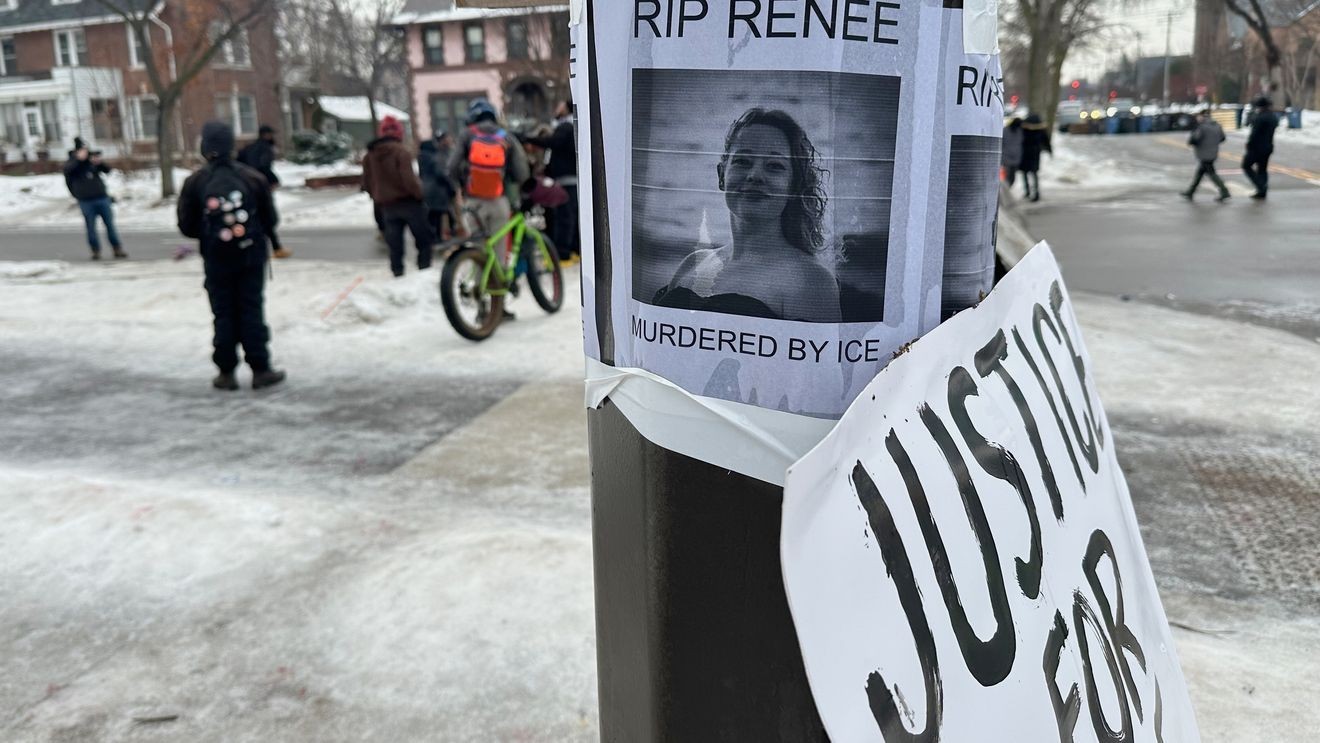
Gahler cited recent shootings in Minneapolis and Glen Burnie involving ICE agents, suggesting that the 287(g) program could have prevented such incidents.
“When you cooperate and you work hand in hand with ICE to remove criminal offenders from your community, there’s no need for them to come in and do the kind of details they’re doing in Minneapolis,” he said.
Anne Arundel County already ended its 287(g) program, but Gahler pointed to the program’s long history in Harford County and criticized the timing of lawmakers’ efforts to end it.
“This is a program that was brought in by President Bill Clinton in the ’90s,” he said. “We were accepted in by President Obama, a Democrat. But now it’s evil because President Trump is in the White House.”
Despite his pessimism about the program’s future, Gahler planned to fight to keep it active, citing public safety concerns. “We’re gonna fight it. I suspect it’s going away. When you have legislation that is more pro-criminal and not for the public safety,” he said.

 Local Story