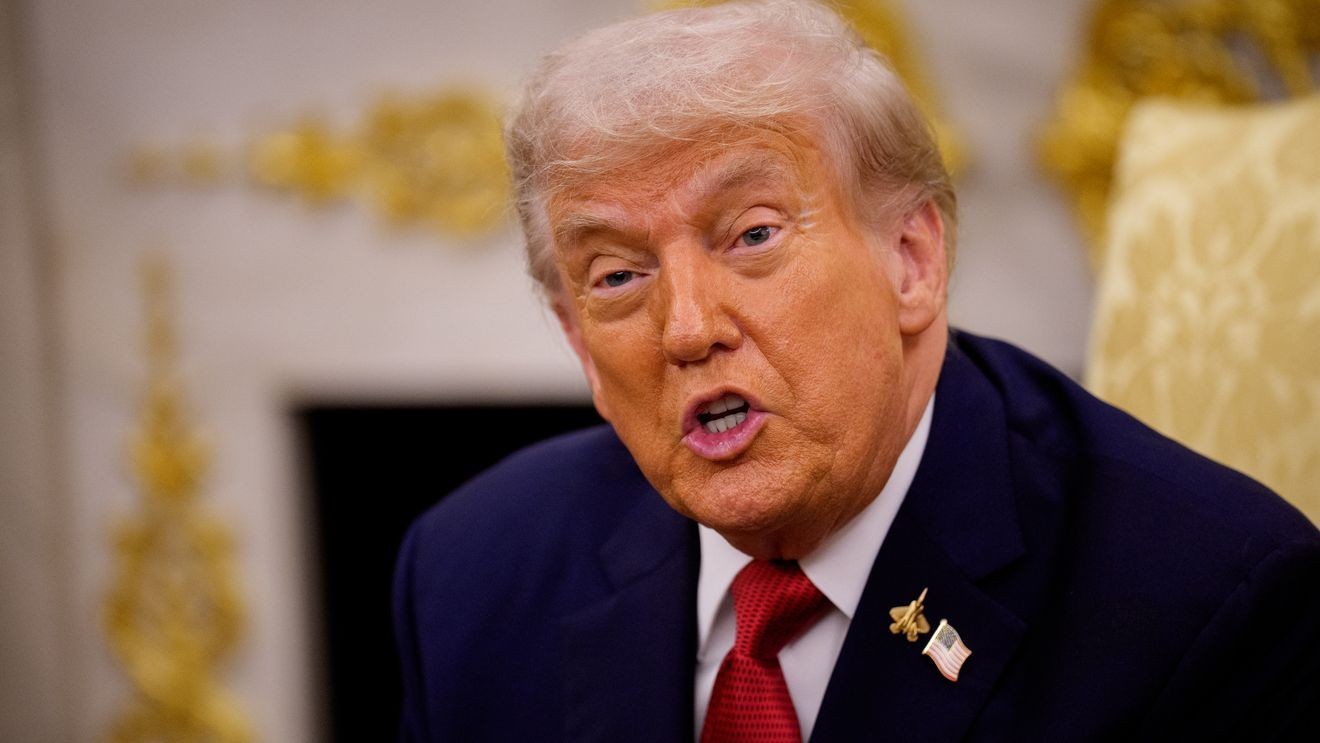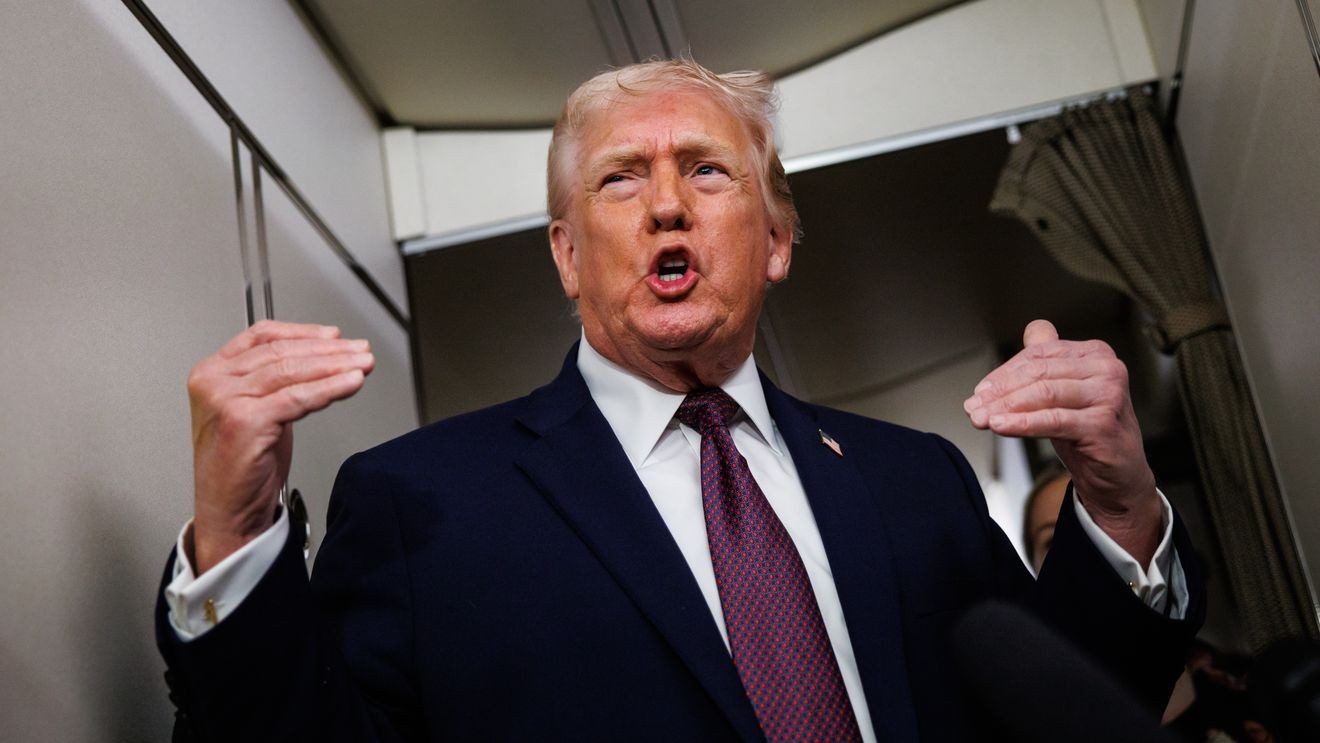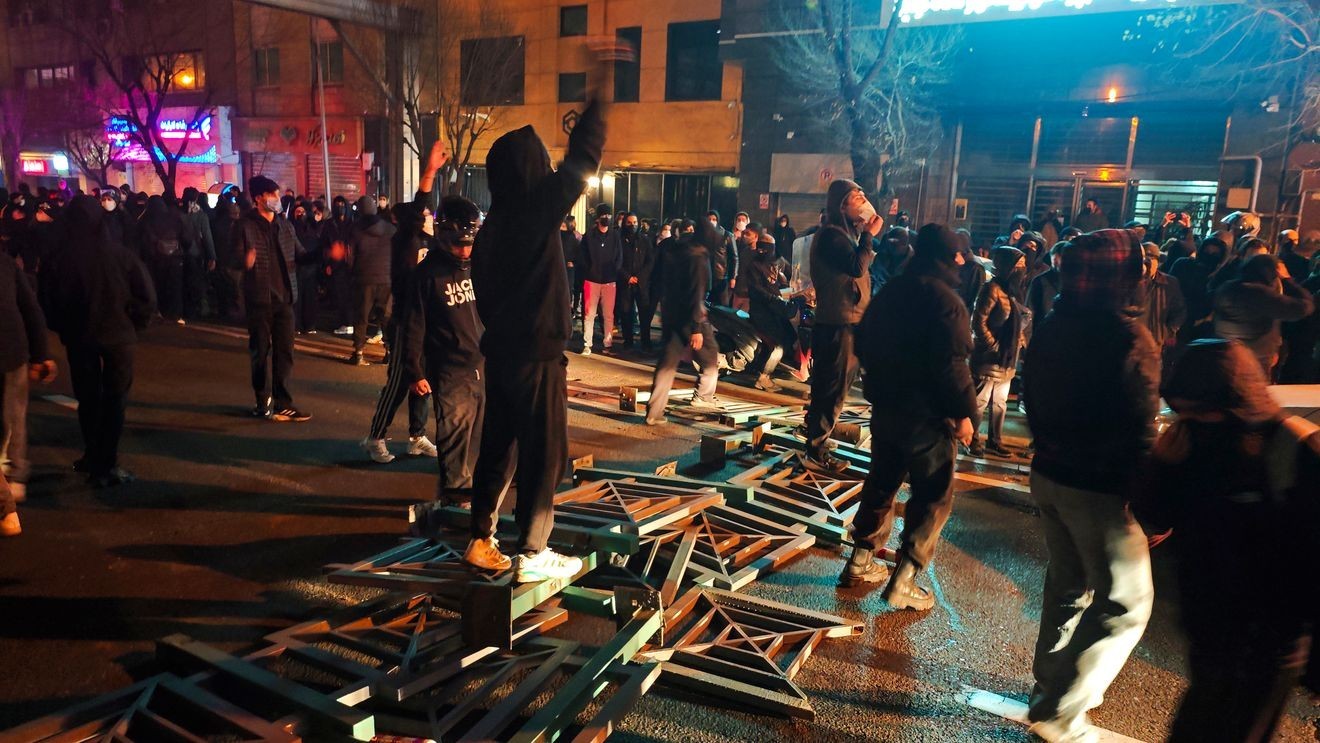
(TNND) — Iran might be crossing a red line that will force military strikes or other action from the U.S., even as the two sides plan talks over the regime’s violent crackdown on protesters, President Donald Trump said.
Trump told reporters Sunday aboard Air Force One that Iranian leaders are seeking negotiations as tensions between the two countries rise.
“We may have to act, because of what’s happening, before the meeting,” Trump said. “But a meeting is being set up. Iran called. They want to negotiate.”
Ten days ago, Trump vowed via social media that the U.S. would “rescue” Iranian protesters.
“We are locked and loaded and ready to go,” Trump said at the time.
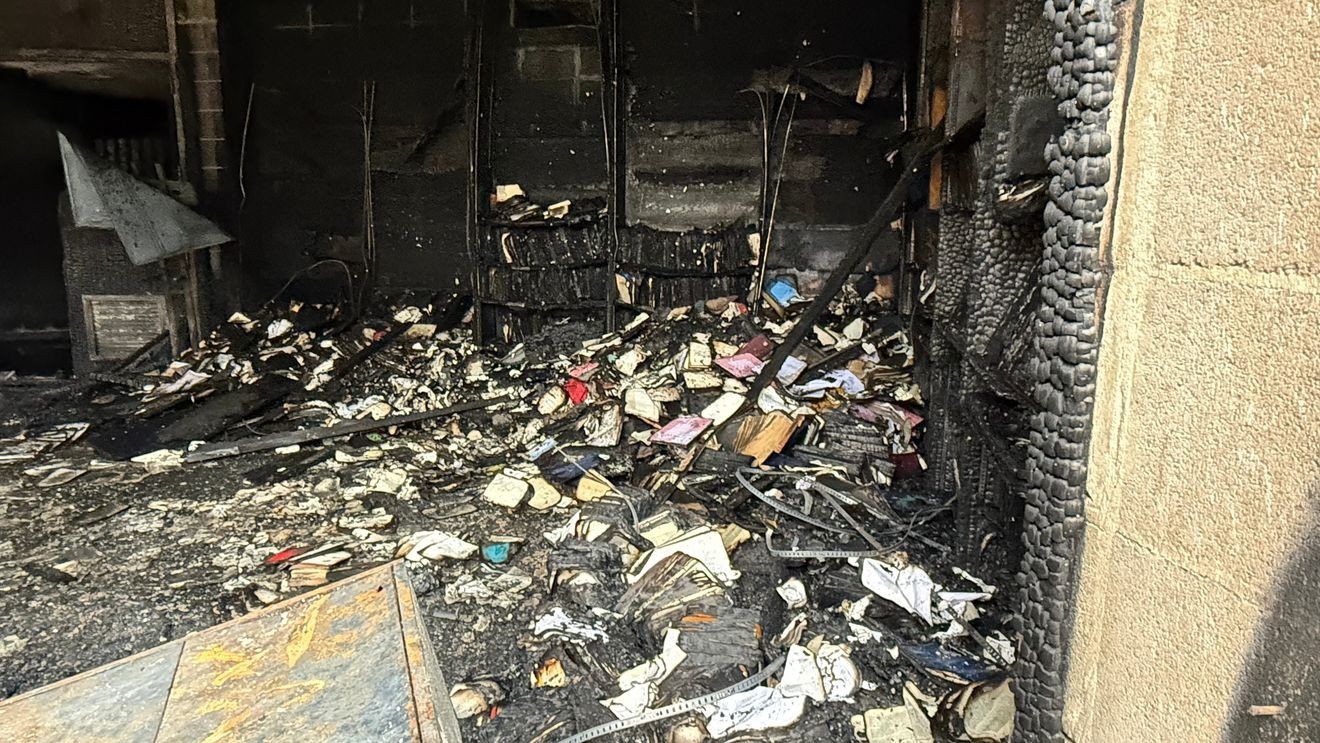
Now, about 500 protesters are reportedly dead in the Iranian regime’s crackdown.
Trump said the Iranian regime rules through violence.
“But we’re looking at it very seriously,” Trump said of U.S. action. “The military is looking at it, and we’re looking at some very strong options. We’ll make a determination.”
The U.S. bombed Iran’s nuclear sites in June as part of Israel’s “12-day war” against Iran, but Trump warned the U.S. would “hit them at levels that they’ve never been hit before” if Iran antagonizes America this time around.
Boise State Professor Michael Allen, a political scientist and expert in international relations, said external pressure has contributed to domestic dissatisfaction with Supreme Leader Ayatollah Ali Khamenei’s regime.
There’s a strong anti-regime, anti-government sentiment running through the protests, which were really sparked by the struggling economy. Inflation in Iran is 42%, and the Iranian currency has tanked.
“The crackdown is one that’s done out of trying to secure the regime against a real internal threat, and any external pressure would make the situation a lot worse for them,” Allen said. “And, as such, given that they recognize that, other people, especially the United States, also recognize that perhaps their involvement may … put enough pressure on the regime to go a different direction than it currently is. It may create an opportunity for regime change.”
Allen said the situation is primed for intervention from the U.S. or Israel.
But such action isn’t inevitable, he said.
Gordon Gray, a former ambassador who now teaches at the Elliott School of International Affairs at George Washington University, also said U.S. military action is not inevitable, even though the Iranian regime has resorted to increasingly brutal methods to suppress demonstrations, killing hundreds by all accounts.
“First, any U.S. military action (short of a highly unexpected invasion) is unlikely to stop the ongoing repression. Simply put, how many police stations can the United States bomb?” Gray said via email. “Second, President Trump may decide the wisest course of action is to heed advice attributed to Napoleon Bonaparte: never interfere with an enemy while he’s in the process of destroying himself.”
Allen said the Iranian leaders recognize the real possibility of a U.S. strike, and that’s why they’re trying to negotiate with Trump.
Reaching a deal that satisfies Trump and saves face for the Iranian regime is “threading a needle, for sure,” Allen said.
Satisfying the protesters would be very difficult and require significant economic reforms, he said.
That might buy the regime time with the Iranian people and with Trump, but that’s also likely to increase dissatisfaction among groups that are more antagonistic toward the U.S. and Israel, Allen said.
And that could create a different kind of internal instability to threaten the regime.
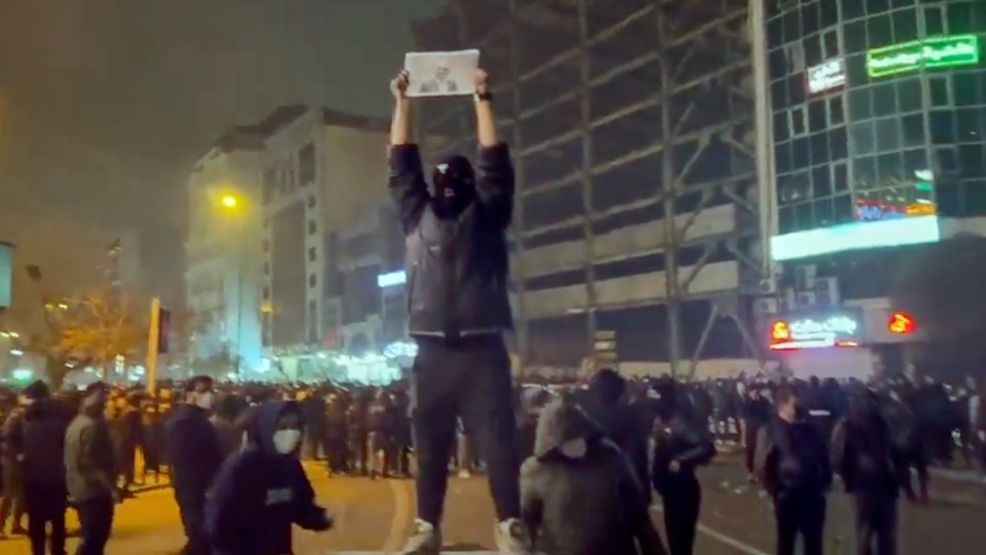
In this frame grab from video obtained by the AP outside Iran, a masked demonstrator holds a picture of Iran’s Crown Prince Reza Pahlavi during a protest in Tehran, Iran, Friday, January. 9, 2026. (UGC via AP)
Trump has options if he decides to act, and Allen said direct military strikes are absolutely on the table.
“With other presidents, it could be a whole variety of different things that they could do, from cyber to other types of indirect pressures. This president, in particular, seems to be one that likes to take action and is less likely to act through others when it’s something he cares about,” Allen said. “So, if Trump decides to do something, it likely could involve U.S. forces. It could be dropping bombs on Iran.”
American intervention isn’t without risk, Allen said.
And one such risk is that it stokes anti-American sentiment within Iran, generating a rally-around-the-flag effect that boosts the Iranian regime at a time of weakness.
That could, in turn, give the regime leeway to take a heavier-handed approach domestically under the guise of securing the country against external threats.
Trump also faces some risks, primarily on the international stage, if he doesn’t follow through on his apparent threats to strike Iran.
Hardliners in the Republican Party want the Iranian leadership gone, Allen said.
But Trump’s “Make America Great Again” base doesn’t want the U.S. enmeshed in another Middle Eastern conflict, Allen said.
“Him not intervening in Iran would certainly make it where he’s not living up to his words, and some of his threats may have less credibility on the international scene,” Allen said. “But I don’t think he would pay domestic political costs from the people he cares about in terms of political support.”

 National Headline