The Alex Marlowe Show
7:00 pm - 8:00 pm

WASHINGTON (TNND) — Inflation held steady in December at 2.7%, wrapping up a year of persistent price increases that have put a squeeze on Americans’ budgets for nearly four consecutive years and caused political headaches for the White House.
Last year brought some progress in reducing the rate of price increases for household necessities like groceries and rent that have been stubbornly stuck above the Federal Reserve’s target of 2%, but many Americans are still feeling the squeeze trying to make ends meet.
Consumer prices rose 0.3% in December from the month prior, the same rate as November. “Core” prices, which strip out volatile food and energy categories, also matched the November rate of 0.2%.
Prices for necessities were mostly higher in December, with food costs rising 0.7% from November despite continued progress on the cost of eggs. Gas for heating homes jumped 4.4%, while housing, transportation and medical care all saw bumps. Used car and gas prices were the most notable declines at 1.1% and 0.5%, respectively.
Higher bills at the grocery store are one of the most visible signs for consumers of inflation and have become a consistent issue for households that are increasingly struggling to afford day-to-day expenses. Overall food prices were up 3.1% from December with higher costs for beef, fruits and vegetables, and coffee all rising 0.5% or higher. Since the pandemic, food prices have jumped 25%.
Energy prices also continued climb throughout 2025, raising monthly bills for electricity and heating. Overall energy prices were only up 2.3%, but the impact of that is somewhat masked by the difference between household electricity prices, which rose 6.7%, and the price of gasoline falling 3.4%.
Trump’s sweeping tariff announcements did not unleash skyrocketing inflation as economists had initially feared after the White House pulled back rates or made exceptions on many products and the U.S. struck trade deals with other countries that kept the overall tariff rate lower than initially expected.
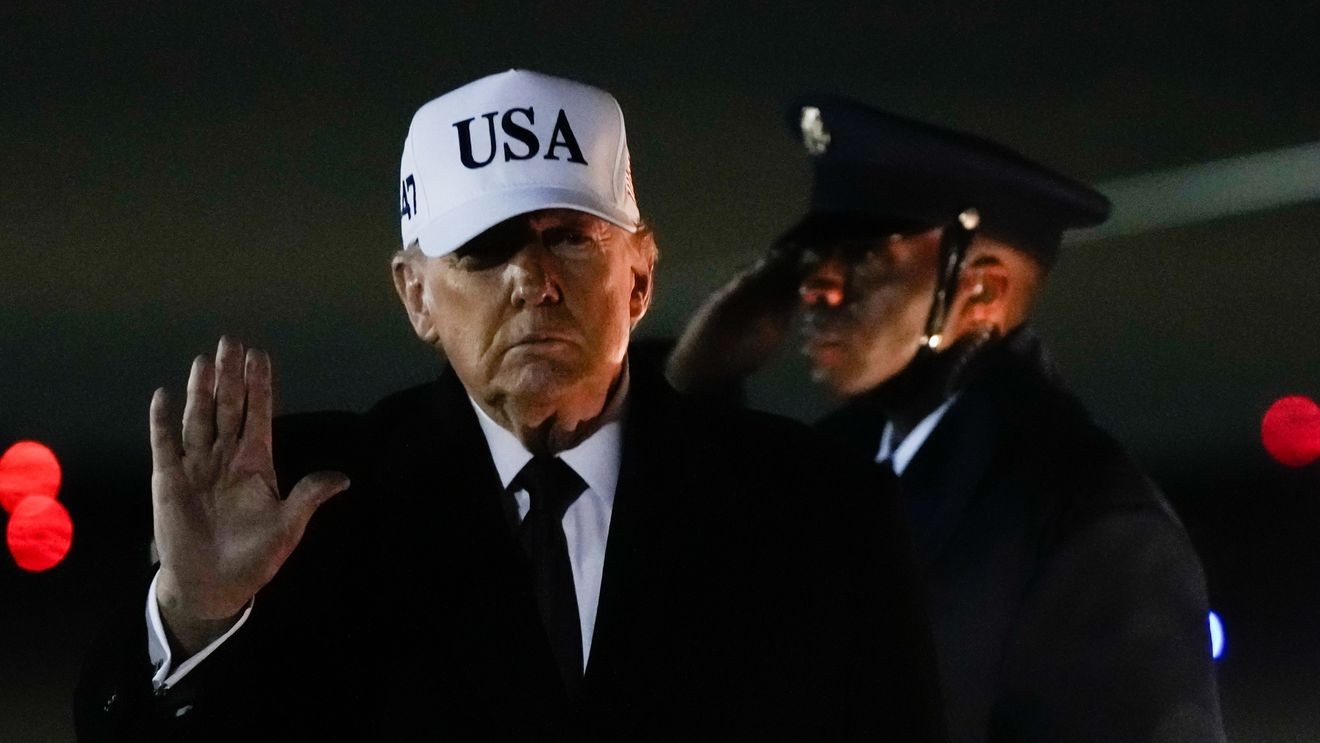
Even with the worst-case scenario avoided, high prices and struggles with affordability have become a major political problem for the White House and congressional Republicans ahead of the midterm elections in November with the president’s approval ratings on the issues dipping as the year went on. Trump has recently unleashed a wave of proposals trying to give Americans more spending power like capping credit card interest rates and banning large investors from buying single-family homes.
Tuesday’s report was the last inflation data Fed officials will get ahead of their meeting in two weeks, where economists are expecting the committee to hold rates steady to see how the economy develops. It was the first complete inflation report since the government shutdown interrupted data collection and releases that economists said may have artificially lowered the November figures once they were published.
“The December 2025 Consumer Price Index report delivered the cleanest read on inflation in three months. That said, the downward bias created by the data-collection gap during the government shutdown and the Bureau of Labor Statistics carry-forward methodology will continue to distort inflation data through April,” said EY-Parthenon chief economist Gregory Daco.
Fed chair Jerome Powell said after last month’s FOMC meeting he was expecting the impacts of tariffs on prices to peak in the first quarter of this year, making the next few releases more influential on the central bank’s upcoming rate decisions. Officials are hoping the tariff-induced price increases will be one-offs and inflation will continue on its path back toward 2%.
The Fed is stuck in a challenging position on how to use its benchmark interest rate to support the economy. Officials have moved cautiously bringing rates down by 0.75% over the course of three meetings and are hesitant to cut them further without more progress on inflation.
But higher rates are risking further deterioration in the labor market, which saw job creation stall out in 2025 to the slowest pace since 2003 outside of recessions and unemployment creep slowly upward. Elevated inflation and unemployment put the Fed’s dual mandate of maximum employment and stable prices in contrast with each other, a dynamic that has divided the committee over the last few meetings. Further adding to the challenge is that economic growth has remained solid despite headwinds from tariffs and increasing consumer angst about the state of the economy.
“There is nothing in this report that would prompt Fed policymakers to step off the pause bench and favor a rate cut at the upcoming FOMC meeting. With the policy rate now within a broad range of neutral estimates, most Fed officials view the current stance as well positioned to wait and assess incoming data,” Daco said.
Trump has pushed the Fed to cut rates repeatedly since returning to office, which he argues will help lower mortgage rates and make it cheaper to finance the country’s massive national debt. The pressure campaign has also included public suggestions he could seek to fire Powell, an issue that escalated further on Friday when the Department of Justice served the central bank subpoenas on Friday over the chair’s testimony to Congress about renovations to office buildings.
Powell has accused the administration of trying to assert more control over the independent central bank.
“The threat of criminal charges is a consequence of the Federal Reserve setting interest rates based on our best assessment of what will serve the public, rather than following the preferences of the President,” Powell said in a video release.

 National Headline