The Scott Jennings Show
8:00 pm - 10:00 pm
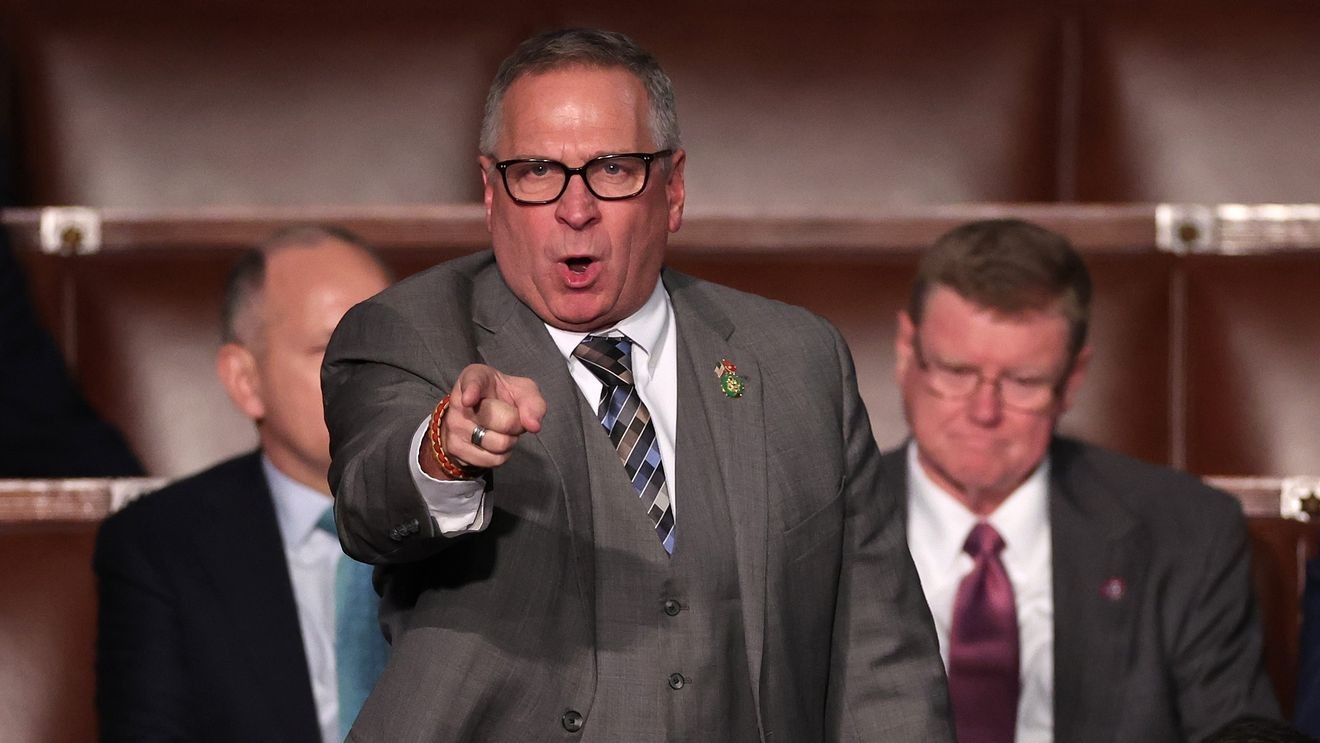
WASHINGTON (TNND) — The U.S. Supreme Court on Wednesday revived a legal challenge by Republican lawmakers to an Illinois election law that allows ballots received after Election Day to be counted, ruling that the challengers have standing to bring their case despite lower court’s earlier decisions to the contrary.
The case, Bost v. Illinois State Board of Elections (No. 24-568), was brought by U.S. Rep. Mike Bost and two Republican presidential electors who argued that the state’s practice of counting certain absentee ballots received up to 14 days after Election Day violates federal election statutes.
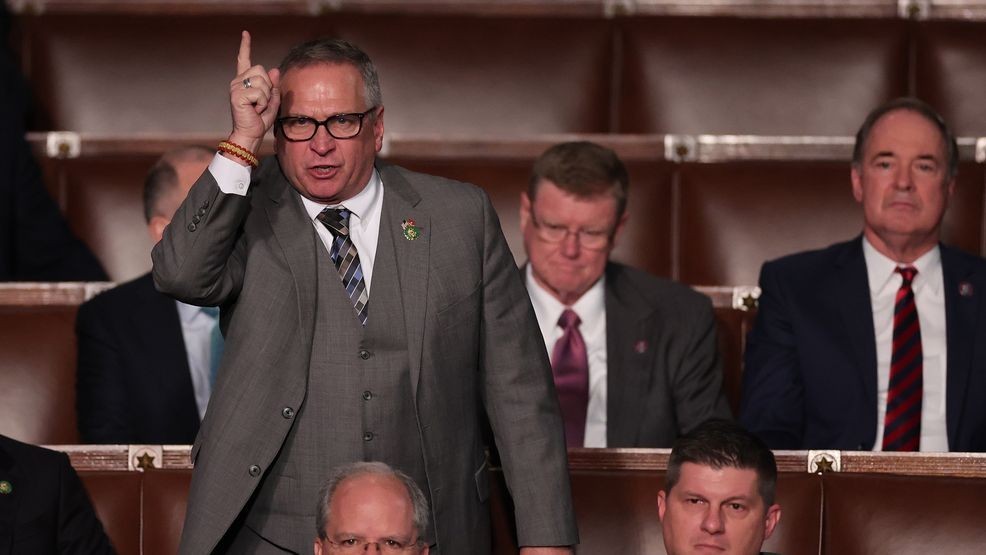
FILE – Rep.-elect Mike Bost (R-IL) yells out as Rep.-elect Matt Gaetz (R-FL) delivers remarks in the House Chamber during the fourth day of elections for Speaker of the House at the U.S. Capitol Building on January 06, 2023 in Washington. (Photo by Win McNamee/Getty Images)
Under Illinois law, mail-in ballots postmarked on or before Election Day may be counted if received within two weeks after the election.
Lower courts had rejected the lawsuit before it reached the Supreme Court. Both the federal district court and the U.S. Court of Appeals for the Seventh Circuit ruled that the plaintiffs lacked Article III standing — meaning they failed to show they were sufficiently harmed by the law to bring a constitutional challenge.
The Supreme Court’s decision reverses that determination, allowing the case to proceed.
At the heart of the case is whether federal candidates and presidential electors can sue to challenge how a state counts absentee ballots in a federal election. The plaintiffs argue that by permitting ballots to be received and counted after Election Day, Illinois’ law conflicts with federal statutes governing the “time, place, and manner” of congressional and presidential elections, rights that they say directly affect the outcome of those contests.
The Supreme Court’s ruling does not yet resolve the legal merits of those claims. It simply holds that the challengers are permitted to pursue their argument in federal court — marking a key procedural victory for the petitioners and potentially opening the door to further election-law litigation.
The case has attracted attention from a host of amicus briefs filed by election-integrity groups and political organizations on both sides, highlighting the national stakes of election administration and absentee voting rules.
JOIN THE CONVERSATION (1)
The case will now return to the Seventh Circuit for further consideration consistent with the Supreme Court’s holding.

 National Headline