(TNND) — An update on last fall’s deadly UPS jet crash has raised questions over past warnings and renewed focus on Boeing’s rocky record of safety in recent years.
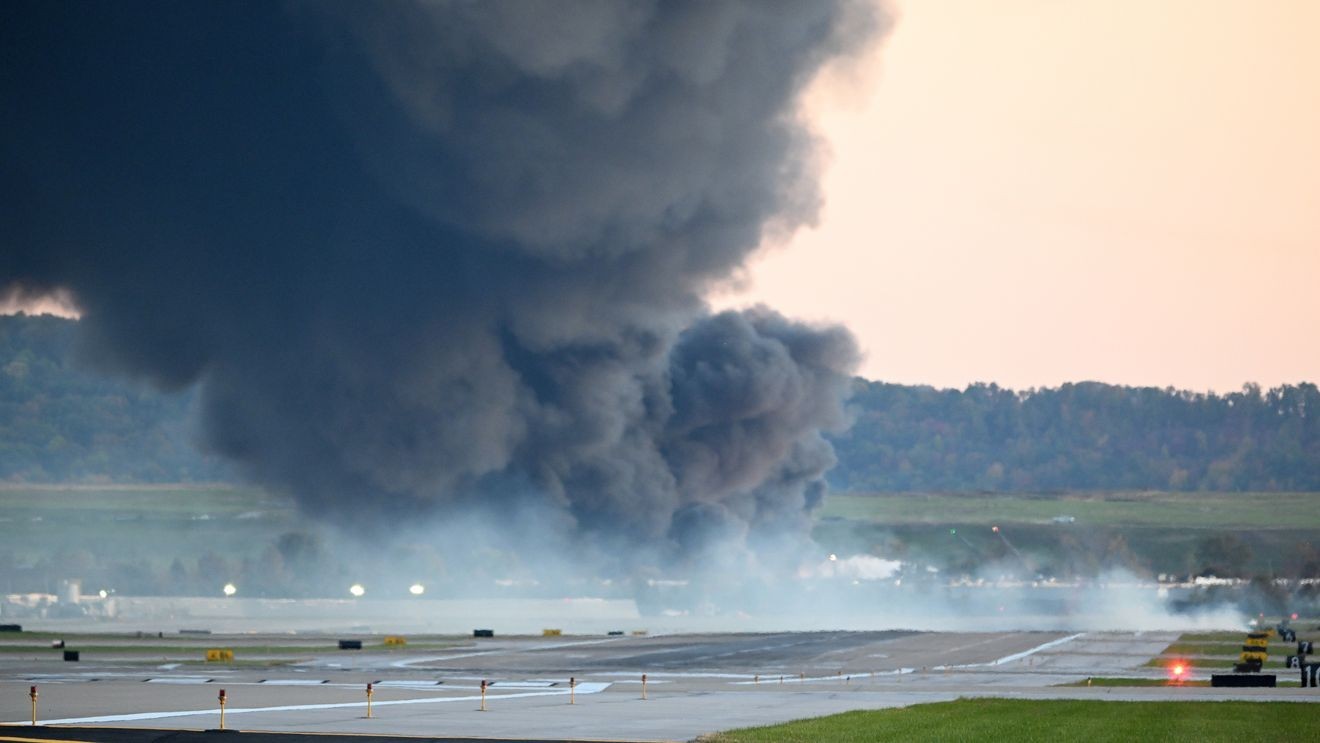
The Nov. 4 cargo plane crash in Louisville, Kentucky, resulted in 15 deaths and close to two dozen injuries.
The UPS jet’s left engine and pylon separated from the wing shortly after airplane rotation during takeoff, according to the National Transportation Safety Board.
A fire ignited on the left engine, and the plane barely got off the ground before crashing into several buildings at the airport.
NTSB investigators previously found cracks in some of the parts that held the engine to the wing, the Associated Press reported.
An update Wednesday from the NTSB said that Boeing, the manufacturer of the MD-11 aircraft operated by UPS, had flagged and documented failures of the same component, a bearing race defect, four times on three different planes in 2011.
Boeing issued a service bulletin but determined the issue didn’t create a “safety of flight” condition.
Kwasi Adjekum, an aviation safety expert who teaches at the University of North Dakota, said Boeing did what was appropriate years ago when it recommended inspections and offered a redesigned part.
However, Boeing’s service bulletin didn’t require the aircraft operators to make any changes to the existing airframes.
The MD-11s originated with McDonnell Douglas, which Boeing acquired in the late 1990s.
This deadly crash could be another black eye for Boeing, following the mid-flight door plug blowout of an Alaska Airlines flight in early 2024 and the deadly crashes of Boeing aircraft operated by Lion Air and Ethiopian Airlines last decade.
Adjekum said Boeing has a responsibility to ensure the continuous safety and reliability of its products, including the MD-11s. But he said Boeing and UPS shared responsibility for safety in this case.
“I am interested in how UPS incorporated the 2011 service bulletin into its maintenance program,” Adjekum said via email Thursday. “I hope the NTSB investigation delves more into that area of focus and recommends improvements for such an aging fleet.”
Adjekum said the age of the aircraft isn’t a big concern, as they can be operated safely with rigorous maintenance. These aircraft undergo extensive overhauls during which they’re stripped to bare frames for inspection and upgrades, he said.
“However, with its not-too-stellar safety record due to handling challenges and the current accident, I will not be surprised if it has reached the end of its useful cycle,” Adjekum said of MD-11s.
Boeing’s reputation has been stressed in recent years, but Adjekum said Alaska Airlines’ new 105-aircraft order from Boeing suggests the industry remains confident in the company.
Still, he said Boeing needs to do more to reassure investigators and the public over its safety standards.
The NTSB, as part of its investigations into the blowout of the Alaska Boeing 737 door, noted that Boeing claimed to have addressed over 70% of action items in commercial airplane production based on employee feedback during quality stand-down sessions and had also increased inspection points, Adjekum said.
Boeing also claims to have implemented new documentation requirements and inspection protocols specifically for door plugs and created new positions focused on human factors and quality management, he noted.
And Boeing claims to have improved safety reporting systems and conducted mandatory product safety and quality training for all employees.
“However, Boeing still has fundamental systemic safety issues to address, and despite the purported changes, earning back trust will require years of sustained cultural transformation, not just procedural adjustments,” Adjekum said.

 National Headline