The Scott Jennings Show
8:00 pm - 10:00 pm
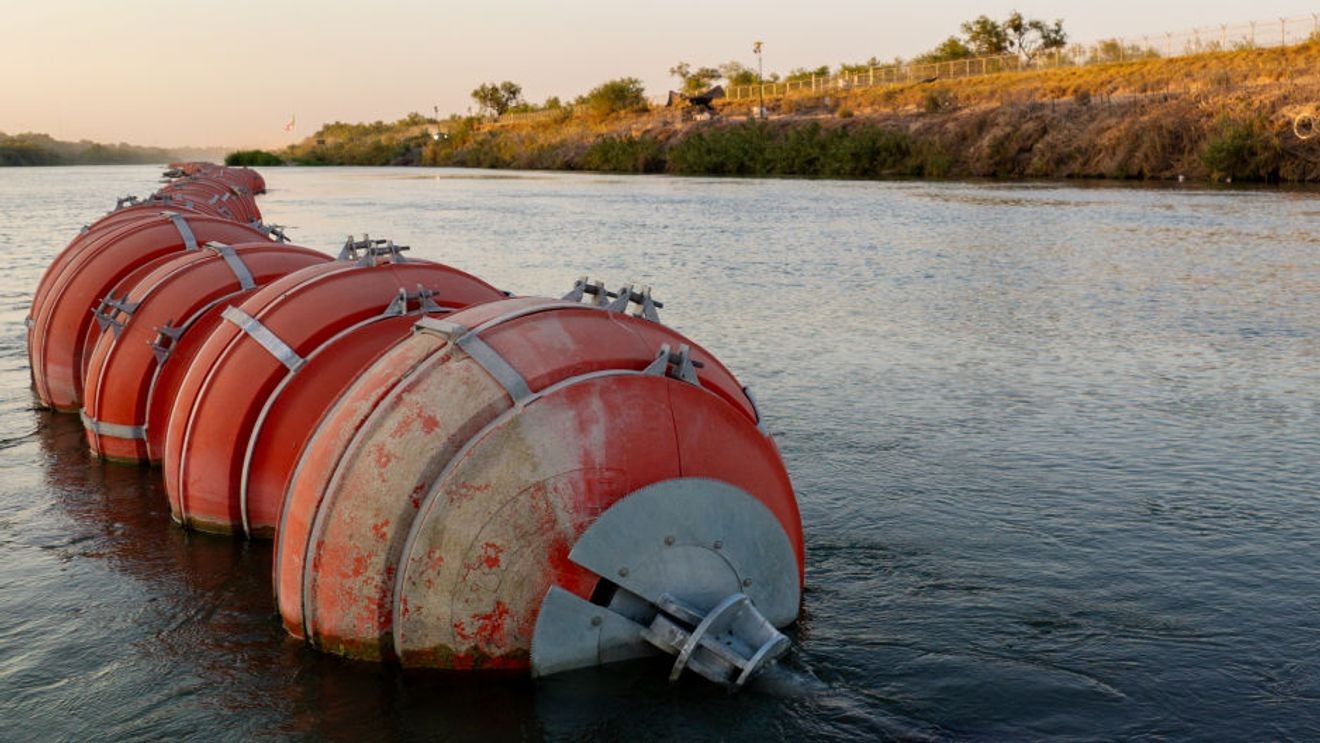
BROWNSVILLE, Texas (WOAI/KABB) — More than 500 miles of buoys will be installed in the Rio Grande, much of that this year, and most of them around Texas.
You can find our free Immigration Crisis podcast on Apple, Spotify, or wherever you listen to podcasts. You can also watch it on YouTube…
Federal officials first spoke about the plan in late 2025, but this new waterborne barrier doesn’t look the same as the buoys Texas installed near Eagle Pass in 2023.
The state’s buoys are about 2,000 feet of spheres, with discs separating them. They cover roughly 2,000 feet in the Rio Grande. The federal government’s new design of buoys is more cylindrical and appears to be more closely linked, and they will stretch significantly farther.

Texas Border Czar Mike Banks laid out some of the differences.
We’ve created a way to create the same deterrence, or temporary deterrence, without having the disc in there. And so the system still works the same as far as how it sits on a ratchet system. As you try to climb up onto the buoys, they roll backwards, preventing you from climbing on. And then we’ve also found that using the more cylindrical instead of the circular, we get better flotation, which helps us maintain better control of the buoys. So what we’ve done is, over the last year, improved the buoy system that was being placed in the river in Texas under the state of Texas. They function the exact same way.
The company making these buoys is located in Texas and is called Gibraltar Perimeter Security.
The money for that contract came from the Congressional spending package. $45 billion went toward border barriers.
DHS Secretary Kristi Noem explained how the buoys play into the Smart Wall plan, which the government recently rolled out:
The buoys that you see here today behind me are ones that are made right in America by a family-owned company down the road here in Texas. CBP is working closely with our state of Texas and the U.S. International Boundary and Water Commission to make sure that the buoy barriers are installed properly and that they are going to last for many, many years to come. These very barriers will make it much harder for illegal aliens, drug smugglers, and human traffickers to cross the river and other waterways where they will be deployed.

New buoys being installed in the Rio Grande near Brownsville (Courtesy DHS)
Other top federal officials also made a border visit recently.
Sen. John Cornyn was part of that group. He’s running for re-election right now, fighting to keep his Senate seat.
One of the big headlines from this trip: Congresswoman Monica De La Cruz, of Edinburg, recently came out and said that the U.S. should have a visa program for construction workers so people can come in and work in that sector. Cornyn was asked about this, and he laid out a very specific order of events. He said we shouldn’t change immigration law until the border is secure, which differs from what other Republicans on Capitol Hill believe.
The first thing we need to do is to secure the border. There is no way that the American people, certainly my constituents in Texas, would allow us to take another stab at reforming our immigration laws until we got the border secure,” Sen. Cornyn said. “The first step is to secure the border. The second step is to remove people who never should have been here in the first place, and then we can have that conversation. And I agree with Senator Thune that there’s nobody that I know of who could lead that effort better than President Trump, and so I’m looking forward to working with him.
And where do we stand on the billions of dollars that could be coming to the Lone Star State as reimbursement?
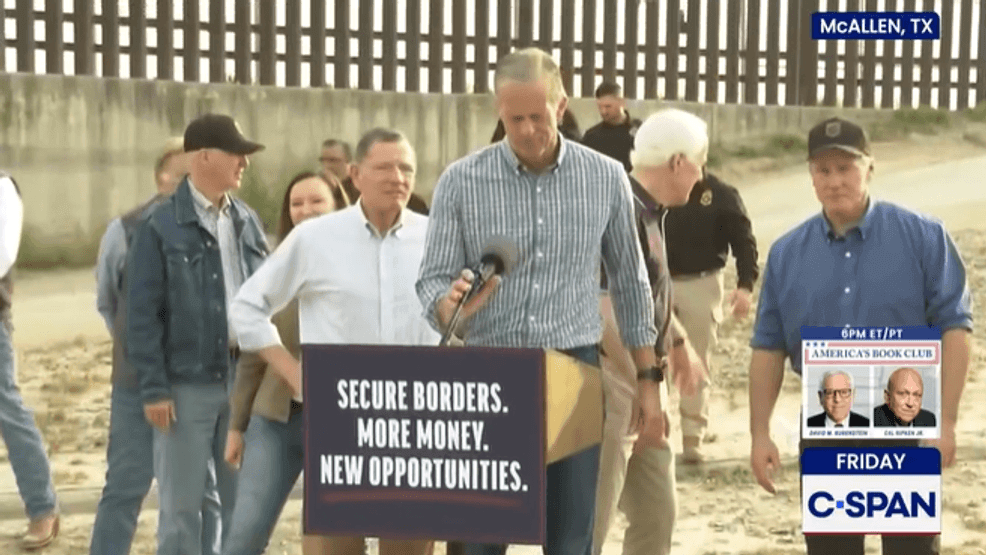
Lawmakers and candidates speak at the border in McAllen, Texas (Courtesy CSPAN)
WOAI reported on the whole process to get that funding approved, but about six months later—where is it? Lawmakers want that answer too.
Almost 30 lawmakers sent a letter to Attorney General Pam Bondi and DHS Secretary Noem asking for that money to be distributed. They’re asking for $11.1 billion, which is how Gov. Greg Abbott priced Operation Lone Star during the four years of the Biden administration.
There’s no word on whether that letter got a response, but it would have a big impact if that much money came back.
We’ll be checking in with those lawmakers and with the governor in the coming days.

 National Headline