The Alex Marlowe Show
7:00 pm - 8:00 pm
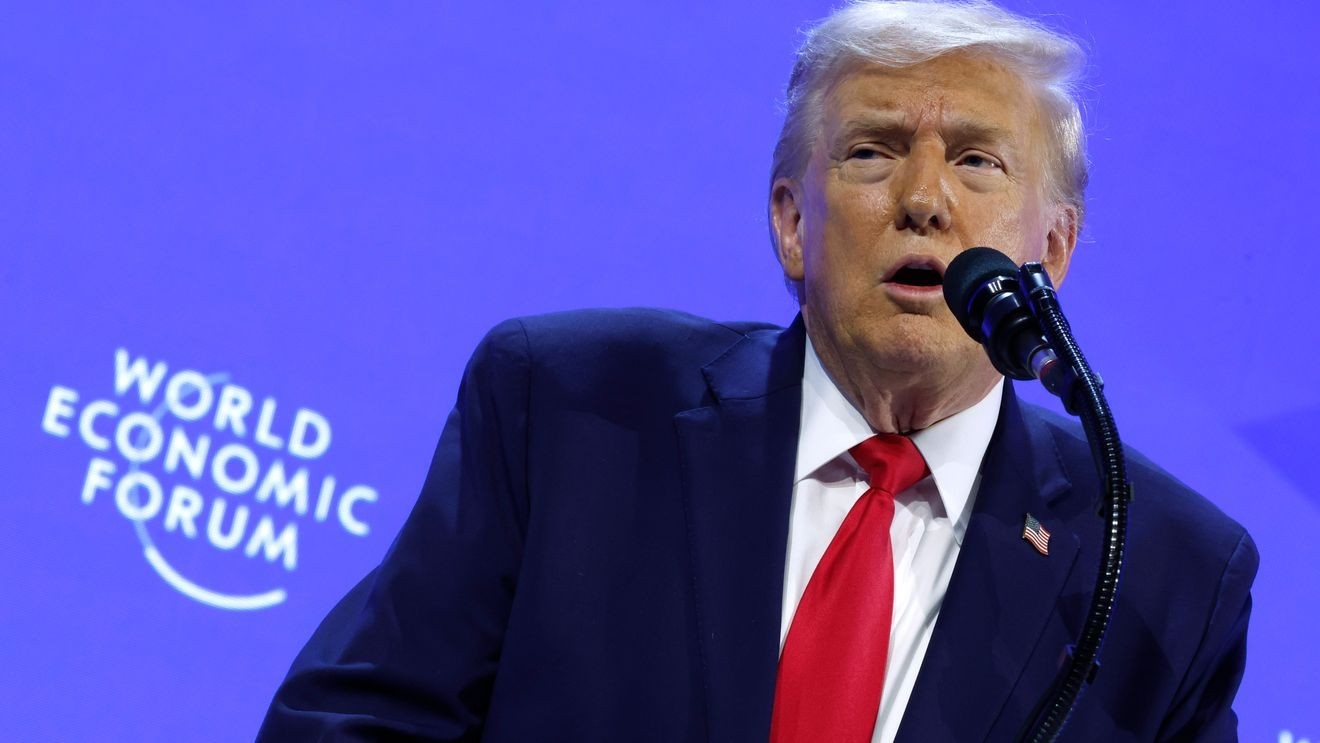
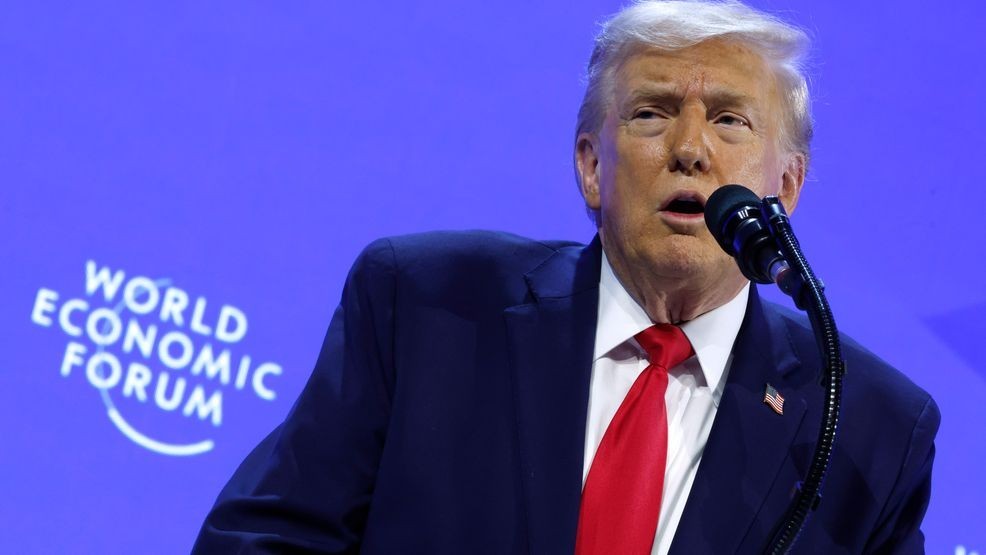
WASHINGTON (TNND) — The General Services Administration, tasked with managing federal property and government contracts, announced Tuesday that it saved taxpayers $60 billion in contract savings under President Donald Trump’s first year in office.
“Under President Trump’s leadership, we’re delivering on our promise to create a leaner, smarter, and more accountable government,” GSA Administrator Ed Forst said in a statement.
“GSA is right-sizing our federal real estate portfolio, streamlining operations, and using the buying power of the United States government to get the best deals in procurement for American taxpayers,” Forst continued.
“The results speak for themselves.”
Forst highlighted that the GSA was carrying out mandates laid out in several of Trump’s executive orders which fall in line with his effort to reduce government bureaucracy, waste and inefficiency.
Part of the push included efforts to consolidate the federal government’s real estate portfolio. Over the past year, the GSA ended its ownership of 90 properties, reducing the government’s portfolio by 3 million square feet and avoiding $415 million in capital repairs and operating expenses. By selling off these properties, it generated $182 million in proceeds.
The GSA also engaged in lease negotiations and reduced the size of its leasing portfolio, rendering $730 million in savings.
An additional 45 underutilized properties were identified by GSA, and if sold, it could lead to $3 billion in savings in capital repairs and operating expenses.
Major reforms in how the government’s procurement and acquisition process occurred were also achieved. With the assistance of the Department of Defense, NASA, and the Office of Management and Budget, the GSA completed a comprehensive rewrite of the Federal Acquisition Regulation (FAR), reducing the regulatory framework by 484 pages and 230,000 words.
The GSA also canceled more than $500 million in “unnecessary or underperforming” contracts and reduced the federal fleet by more than 1,000 vehicles.

 National Headline