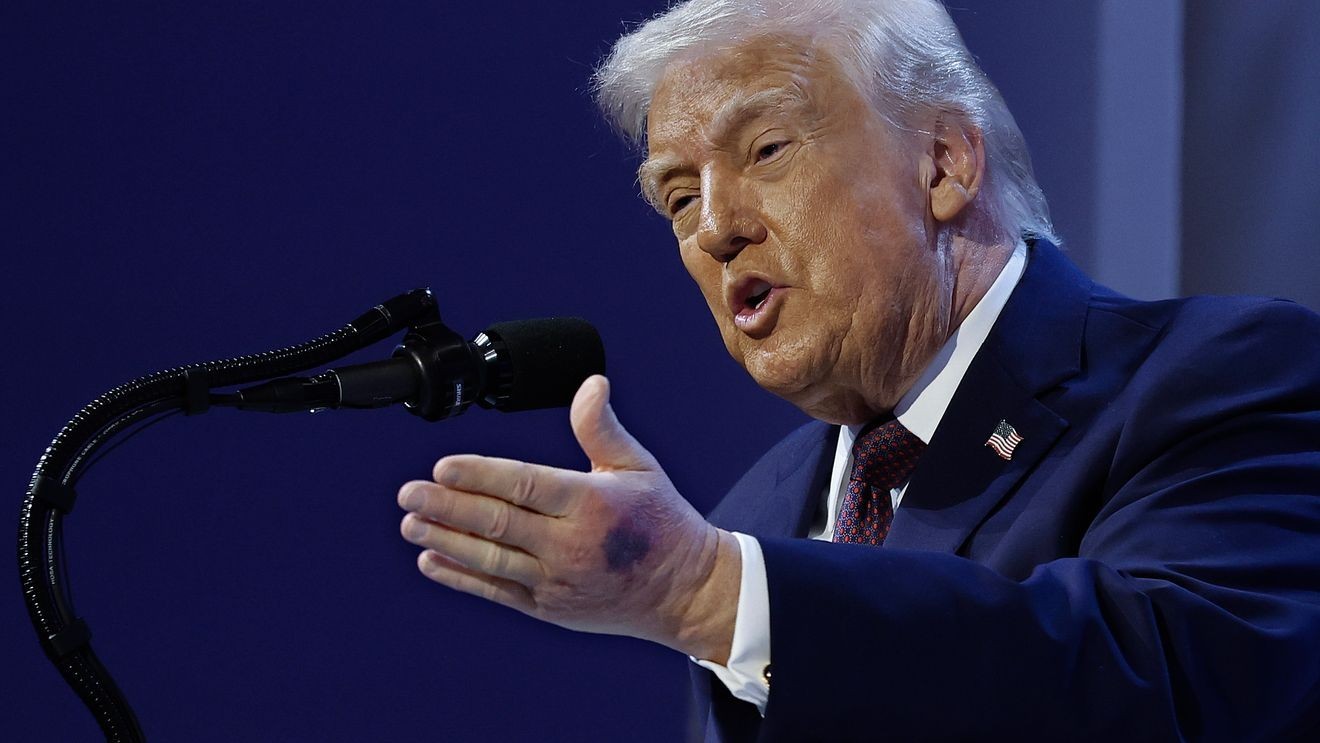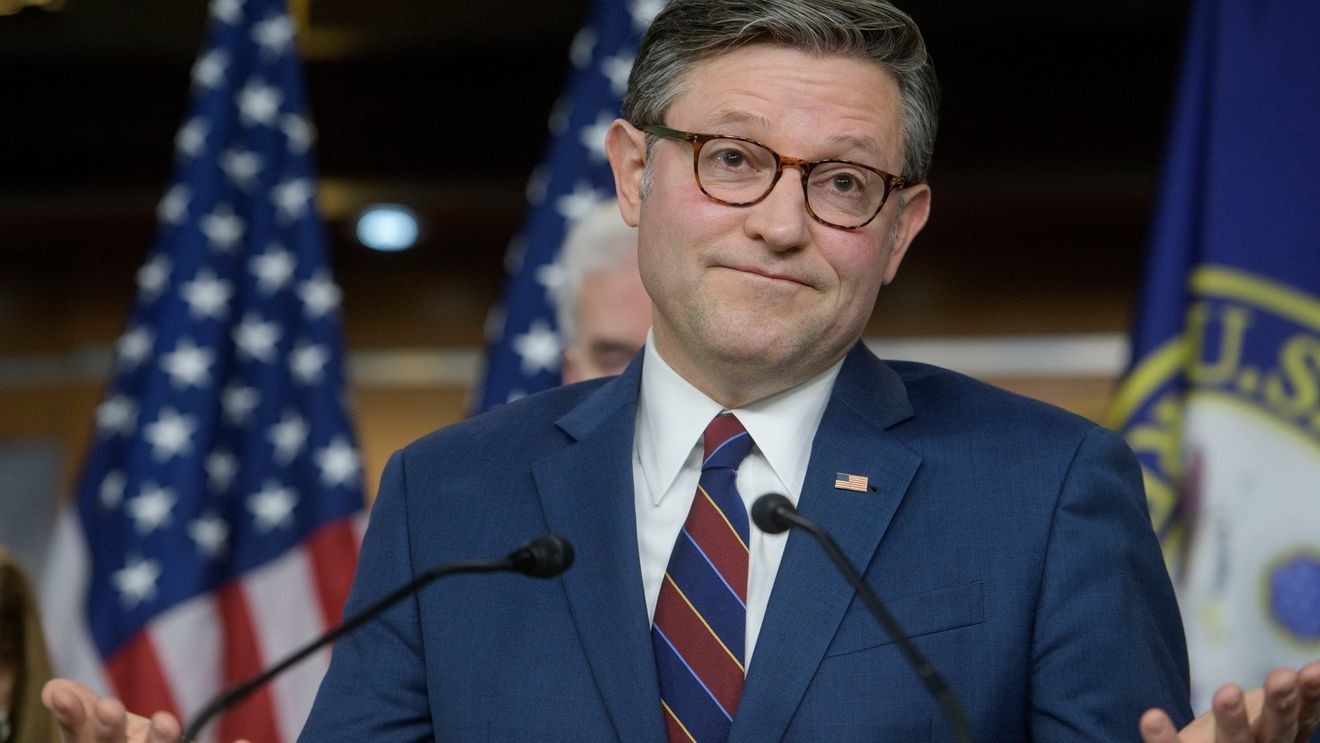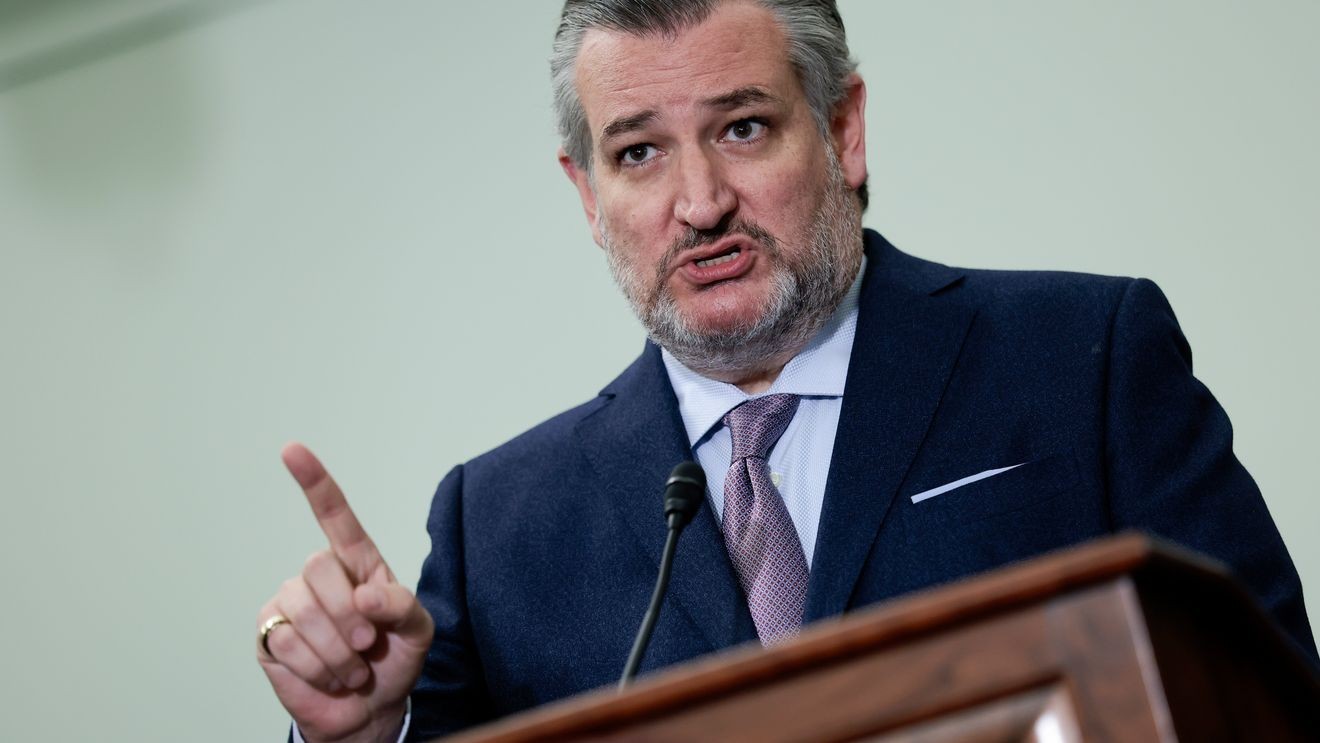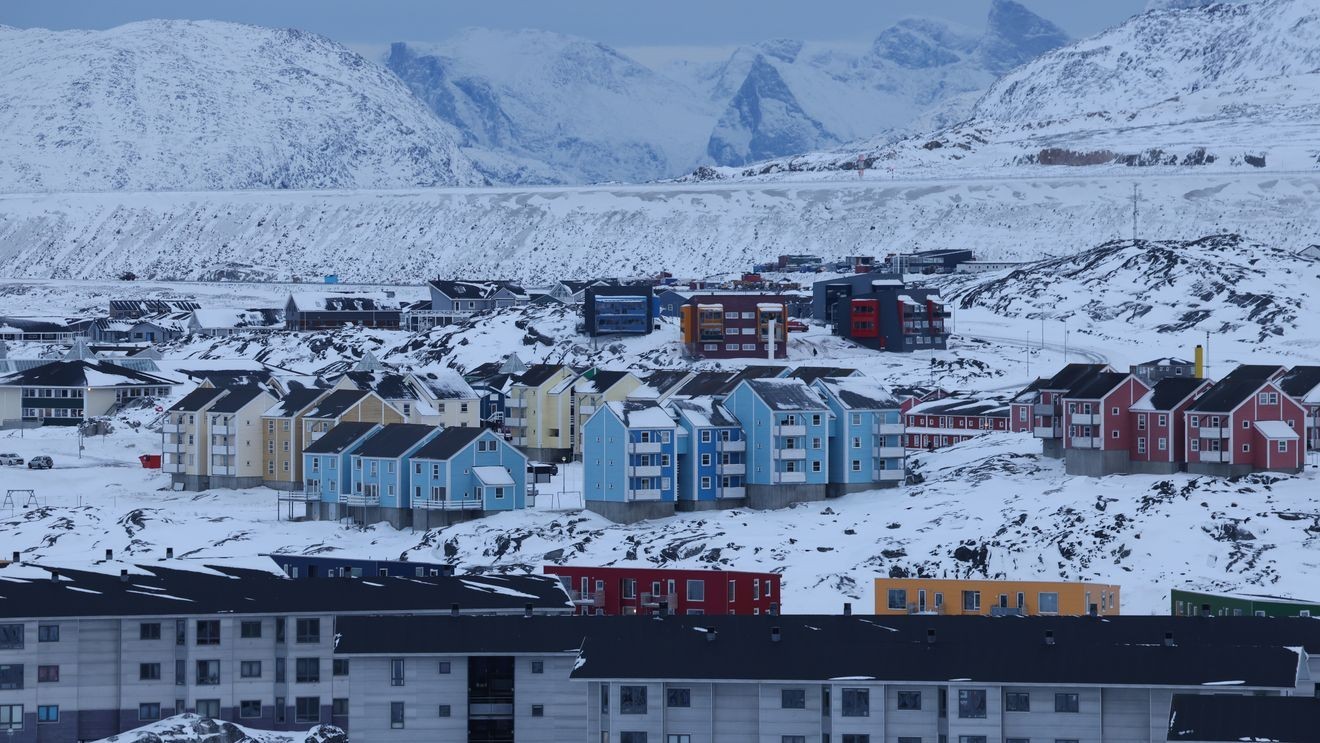
(TNND) — Dynamics between the U.S. and Europe have shifted from panic to uncertainty after President Donald Trump backed off refusals to using force to take control of Greenland after days of discussions he said resulted in the “framework for a future” deal on the island.
Details on the agreement were sparse with negotiations on them yet to start in earnest, but it was enough to get Trump to walk back threats to install 10% tariffs on European countries and rule out using force to take control of Greenland. He said the U.S. would be getting “everything we want at no cost” for “total access” during an appearance on Fox Business Thursday morning, adding that there was no time limit.”
In a post on Truth Social, Trump said more discussions were being held over his Golden Dome missile defense program that aims to put U.S. weapons in space. Vice President JD Vance, Secretary of State Marco Rubio and special envoy Steve Witkoff will be leading the talks and reporting directly to the president.
“This solution, if consummated, will be a great one for the United States of America, and all NATO Nations.”
Trump has said repeatedly, including during his remarks Wednesday in Davos, that only the U.S. is strong enough to defend the island nation from threats in the Arctic and that it is vital to America’s security interests. His hopes of owning the territory have met fierce resistance from Denmark and Greenland, along with other European powers. Denmark has been adamant about not being willing to give up territory in any deal.
“We have said from the very beginning that a discussion about our status as a sovereign state it cannot be discussed — it cannot be changed,” Danish prime minister Mette Frederiksen said on Thursday, calling sovereignty a “red line.”
Initial talks on the future of Greenland have reportedly centered around increasing NATO’s presence in the Arctic, giving America a claim to sovereignty for bases on the island and blocking adversaries from mining its reserves of minerals.
Greenland leader Jens-Frederik Nielsen said he was opposed to giving the U.S. sovereignty over military bases, also describing it as a “red line.”
Trump’s announcement was one of several moves the U.S. made to back off the possibility of a military or economic conflict with its allies over control of Greenland, which the president says is vital to the future of American security. Denmark and other NATO members have argued that security in the Arctic is important for the entire alliance and should be a joint effort.
The president also said the U.S. would not take Greenland by force, somewhat of a reversal from previous statements by multiple administration officials who had declined to rule it out publicly. NATO officials had warned that the U.S. taking the island by force would lead to the end of the alliance, a fear that has been at least temporarily soothed after the framework deal.
“We probably won’t get anything unless I decide to use excessive strength and force where we would be, frankly, unstoppable,” Trump said. “But I won’t do that. That’s probably the biggest statement, because people thought I would use force. I don’t have to use force. I don’t want to use force. I won’t use force. All the United States is asking for is a place called Greenland.”
Trump’s insistence on U.S. control over Greenland has alarmed Europe, which comes as the administration has suggested American military presence across the region won’t last forever.
Europe is grappling with what its relationship will look like moving forward as the Trump administration has frequently signaled continued presence in the region is no guarantee. Trump and other officials have railed against Europe and NATO for failing to invest enough to fortify its own defense and “freeloading” off American military might.
“The next few years are the most dangerous ones for them because while they have committed to spending more and addressing the threat more seriously, they can’t replace what we can do, especially in terms of intelligence,” said Ian Kelly, a former State Department diplomat and ambassador in residence at Northwestern. “They’re definitely panicking, as well they should.”
Europe was prepared to launch its own set of retaliatory tariffs in response to Trump’s, which had been paused since the president launched his suite of levies earlier this year to pressure countries to make new trade deals with more favorable terms to the U.S. The threat of a trade war rattled Wall Street until the issue was suddenly resolved on Wednesday.
Financial incentives are the main tool for the EU to leverage in the face of Trump’s demands that they have tried to balance in response to tariffs and Greenland as its leaders try to keep the U.S. on board with the transatlantic alliance for defense and trade.
“They realize that the leverage with him is the economic leverage that they have. They can send our economy into a recession if they use their famous ‘bazooka,’” Kelly said.

 National Headline