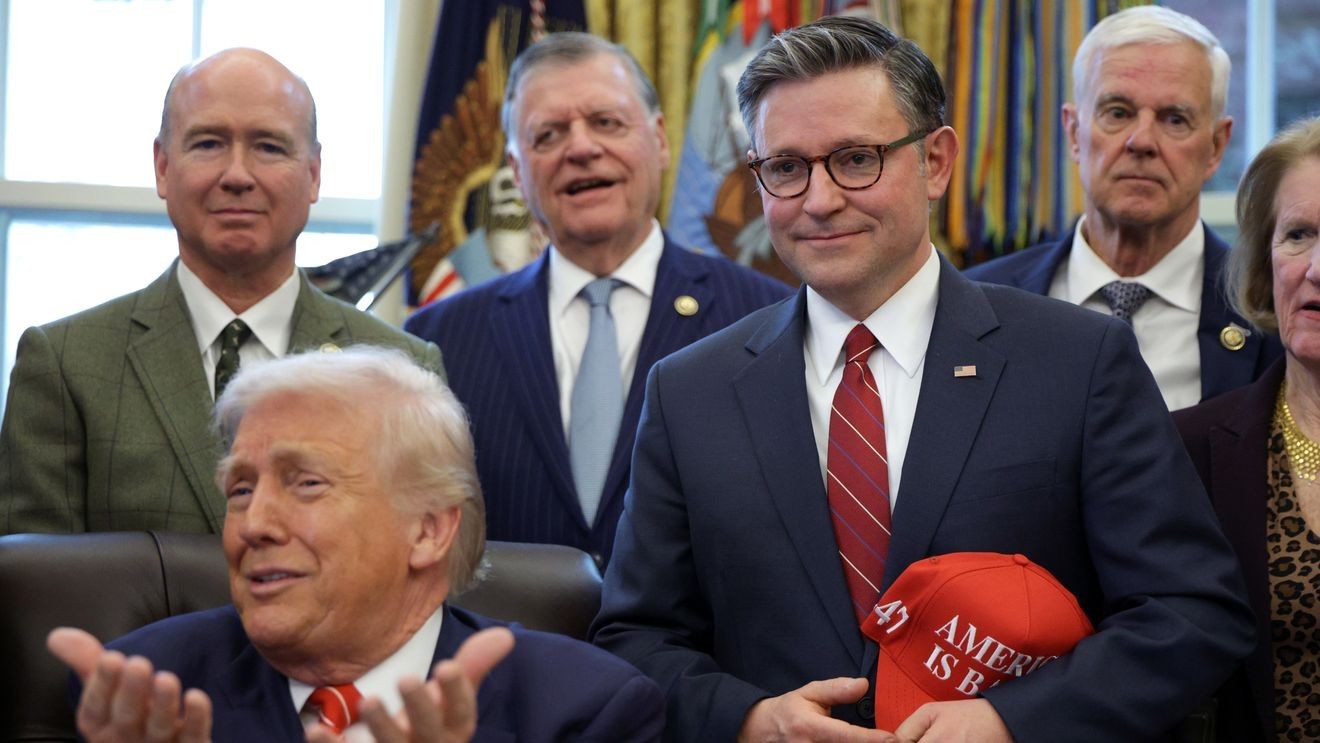
WASHINGTON (TNND) — A plan to fund the government was signed into law by President Donald Trump on Tuesday, after being passed by the House in the form of six separate bills.
Most of those bills were bipartisan, with lawmakers on both sides celebrating wins. (TNND)
Most of those bills were bipartisan, with lawmakers on both sides celebrating wins.
“It provides $839.2 billion to strengthen deterrence, support the Administration’s America First defense agenda and to modernize our force,” said Rep. Ken Calvert, R-Calif., on the House floor before the vote.
“It includes $113 billion in discretionary spending in transportation and housing programs,” said Rep. James Clyburn, D-S.C.
Five of the bills provide funding through September, but the final one, only until Feb. 13, as an update to what the Department of Homeland Security gets, and how it operates, is hammered out.
“We need to be focused, not on a legal immigrants, not on people who shouldn’t be here, but on those who should and have the right to be and have the right to be safe,” said Rep. Randy Fine, R-Fla.
“Security does not require brutality. Enforcement does not require lawlessness,” said Rep. Lois Frankel, D-Fla.
We can secure our borders without terrorizing our neighbors, and I will not support funding that enables cruelty.
These demands for change came after the death of two Americans at the hands of federal agents in Minnesota last month.
While Homeland Security Secretary Kristi Noem has already authorized agents there to use body cameras, Democrats want their required use in writing.
They are also demanding independent investigations into the deaths of Renee Good and Alex Pretti.
Additionally, they want ICE agents to limit roving patrols and remove masks while on duty and get judicial warrants before entering homes to make arrests.
“We are never gonna go along with adding an entirely new layer of judicial warrants because it is unimplementable. It cannot be done,” said Speaker of the House Mike Johnson, R-La., during a press conference Tuesday.
To get here, the White House worked with Democrats on this temporary plan.
Trump had to shut down a last-minute attempt by some Republicans to add new voter eligibility requirements to the legislation. The next 10 days of negotiations are expected to be contentious, as both sides debate how to or even whether to rein in federal immigration authorities.

 National Headline