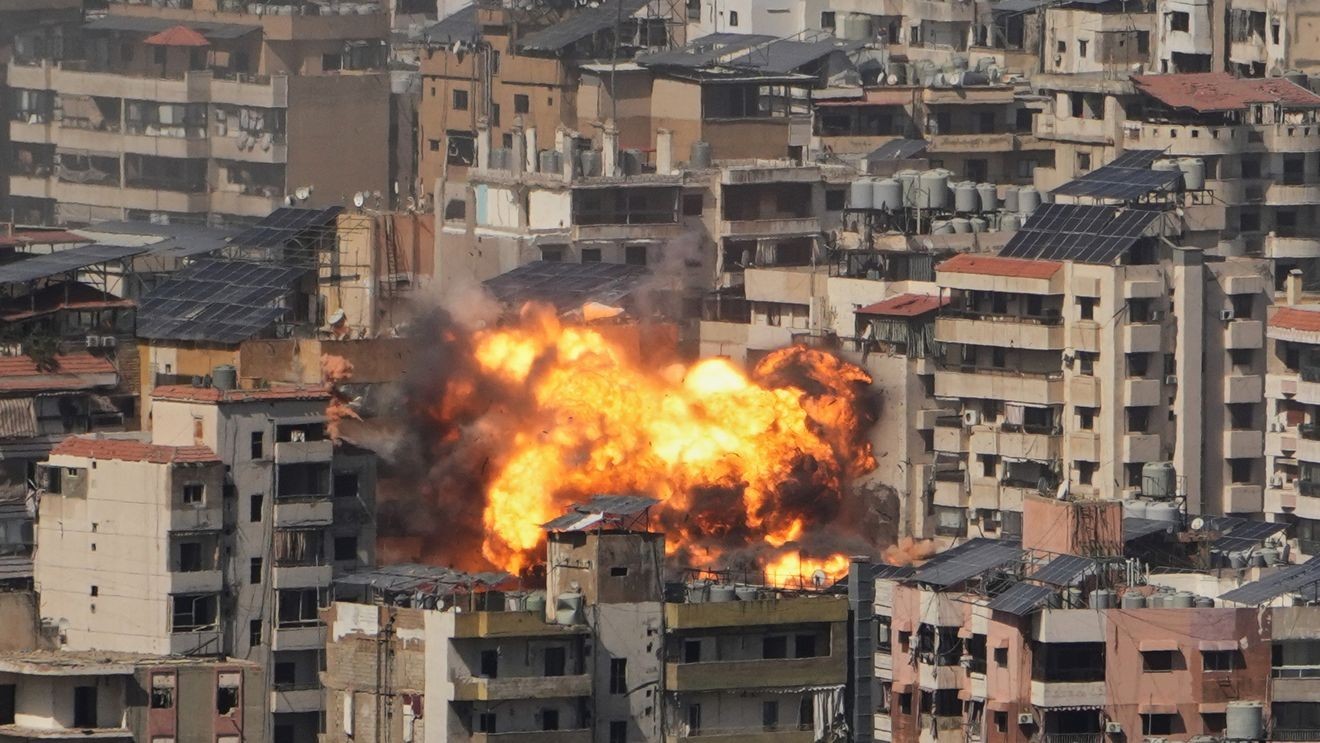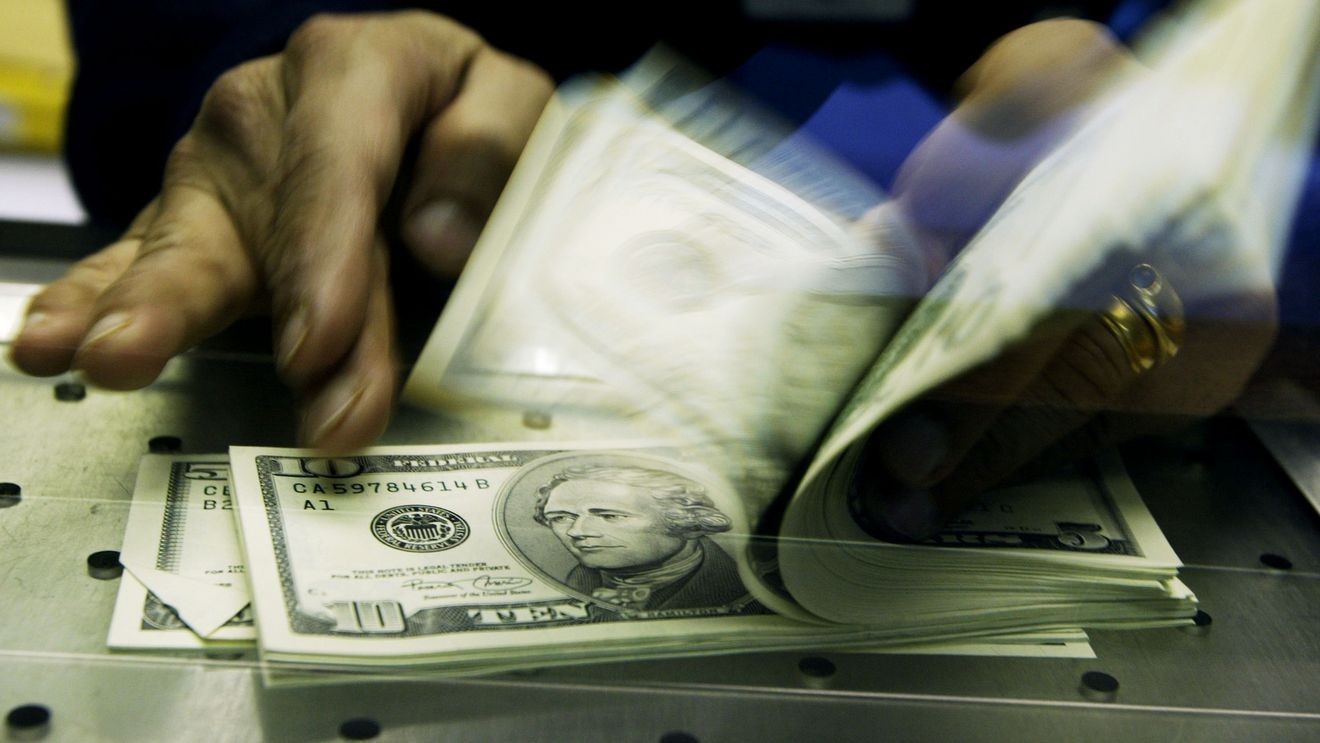
(TNND) — The U.S. dollar is gaining strength on the world stage as investors seek a safe haven to ride out the economic and geopolitical upheaval brought on by the new war in Iran, according to Bankrate financial analyst Stephen Kates.
Meanwhile, oil prices are up as a result of the war. And Kates said that, too, can push investors to the American dollar.
Coming off a year in which the dollar index was down about 10%, the dollar index has jumped from about 96 a month ago to around 99 as of Monday afternoon.
Kates said that’s a decent amount of movement over the course of one month.
“People are saying the dollar is weak now, only because we are comparing it to being above 100 over the last few years,” said Kates, a certified financial planner. “So, the time period does really matter here. … We’re pretty normal right now, when you look over the long period of time.”
The dollar index, which measures the American currency’s strength against a handful of its competitors, has been down around 70 and up over 110 in the last 20 years.
Kates said the current dollar index value of about 99 is “basically right on target to average.”
The exchange value of the U.S. dollar to other currencies doesn’t just matter to investors. Kates said it makes an everyday impact on the wallets of American consumers.
“In the U.S., it matters, because we import so much into the country,” he said. “The strength of the dollar impacts our ability to buy imports at cheaper or more expensive prices. And so, that does impact the consumer’s wallet. When the dollar is strong, we can import things more cheaply. When the dollar is weak, we are not able to do that as readily.”
The war in Iran is a global destabilizing event, and those are the times when investors seek out the safety of the U.S. dollar, Kates said.
Investors around the globe expect that the U.S. will make good on what it owes on Treasury bonds, that the business environment in America is stable, that the rule of law is intact, and that investments will not be nationalized.
Even with economic concerns or political divisions at home, Kates said an apropos analogy is that the U.S. is “the cleanest dirty shirt in the pile.”
“The U.S. financial system stands as one of the deepest, safest, most consistent places for money to be invested, and that has not changed,” Kates said. “And the dollar actually strengthening in the last two weeks is proof that investors still believe that, despite the fact that we’re the ones conducting the bombing operations.”

In this handout photo provided by the U.S. Navy, two F/A-18 Super Hornets launch from the flight deck of Nimitz-class aircraft carrier USS Abraham Lincoln in support of Operation Epic Fury on March 3, 2026, in the Mediterranean Sea. (Photo by U.S. Navy via Getty Images)
The dollar is the global benchmark, and oil around the world is priced in dollars, Kates said.
If the dollar is strengthening at the same time as a supply shock for oil, the impact can be muted for investors who hold dollars.
The war has strengthened the dollar in recent days, so what happens when the war ends?
Kates said the impact somewhat depends on how and how soon the fighting ends, including what the aftermath means for trade and oil prices.
But he’s not expecting any wild swings in the index value of the U.S. dollar.
“I think that we’re likely to see a scenario where the dollar is pinned somewhere between the high 90s and the low 100s for the foreseeable future,” Kates said.

 National Headline