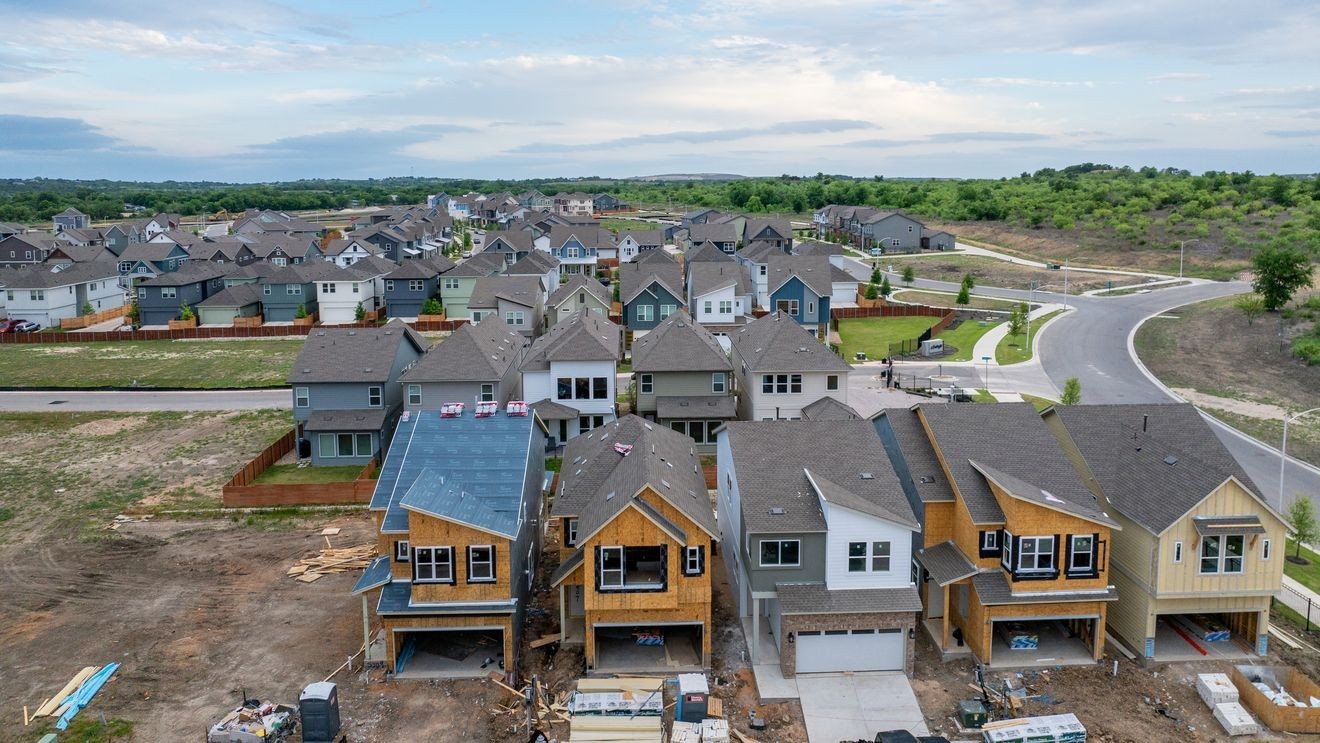
WASHINGTON (TNND) — A bipartisan housing bill moving through the Senate is facing industry pushback over a provision that limits the number of homes large investors can purchase or hang onto after building.
Language included in the 21st Century ROAD to Housing Act would force large investors to sell homes built to rent out after seven years of ownership, a constraint that critics argue could dismantle the single-family rental business and spike housing costs. The bill defines large investors as investment funds, corporations or entities that directly or indirectly own at least 350 single-family homes.
The bill is the most significant congressional action addressing housing in decades, but some analysts are warning it could actually reduce the nation’s supply of homes that is already not keeping up with demand.
Proponents of the provision argue that institutional investors buy up the nation’s housing supply and make it less accessible to the average American. They argue that limiting large-scale ownership of homes could increase opportunities for traditional buyers and ease price pressures.
Republican Sen. Tim Scott, who is leading the housing push with Sen. Elizabeth Warren, told the Washington Examiner the provision includes caveats and does not apply to real estate investment trusts or other programs designed for homeownership. He also highlighted the president’s support.
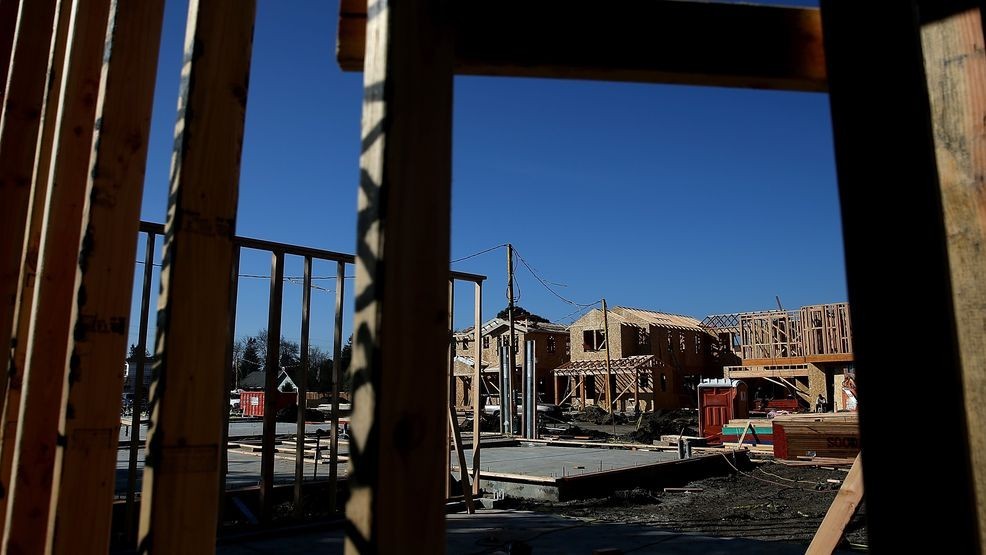
New homes are seen under construction at a housing development on January 21, 2015 in Petaluma, California.{ } (Photo by Justin Sullivan/Getty Images)
“I can say that the president’s priority on the large institutional investors came over from the White House, and what we’ve tried to do is work to massage some of it — and the seven-year provision is one of the areas that we actually have worked heavily on, trying to make it more digestible,” he said.
Wall Street invested heavily in the housing market after the 2008 financial crisis when traditional buyers left the market. Firms own hundreds of thousands of homes across the country but only make up 2% of the nation’s single-family housing supply. There are a handful of cities like Charlotte and Atlanta where institutional investors own a greater share of single-family homes.
Research firm John Burns Research & Consulting counted 500,000 units in its database of build-to-rent homes with another 160,000 under construction.
“The capital devoted to rental development will have to look for opportunities elsewhere,” a report from the firm says. “We believe the number of new homes constructed in America will be less.”
Industry groups representing homebuilders are opposing the provision, which has garnered bipartisan support and backing from President Donald Trump in a broader political push to curb investor activity in the housing market.
Limitations on institutional investors have been a priority for Trump in efforts to reduce the cost of homeownership. The White House had previously sent Congress a proposal to ban large investors from buying existing homes to stop traditional buyers from having to compete with wealthier investors, which exempted build-to-rent developers.
The new Senate provision takes the restrictions a step further, which critics say will make investors reluctant to invest in building new rentals they could only own for seven years before having to sell them off.
Dozens of housing groups sent congressional leaders a letter last week opposing the policy in the bill. They argued it would effectively eliminate the production of build-to-rent housing and hamper the supply of homes being built.
“Because BTR developments require large-scale investment and benefit from economies of scale, most firms operate beyond that threshold. They cannot invest under the risk of forced sales and potential losses driven by arbitrary deadlines,” the letter says.
An analysis of the bill by the American Enterprise Institute said targeting investors “could trigger the next housing bust” by reducing investment and shrinking supply.
“Housing affordability will not improve by driving away investment or by pushing risky mortgages onto borrowers who cannot sustain them. The country needs more homes, not policies that risk destabilizing the housing finance system,” Tobias Peters, the codirector of AEI’s Housing Center, wrote.
The build-to-rent restrictions have also received pushback within the Senate over concerns it will limit the supply of rental properties and lead to less construction.
“We have decided owning is good, renting is bad. We have decided triplexes are fine, duplexes are not, we have decided hedge funds can have their way, by the way — with apartment complexes, but not on the single-family home side. There is a total illogic to the way that this thing is constructed,” Sen. Brian Schatz, D-Hawaii, said on the Senate floor.
Home builders have not kept up with demand for new homes since the financial crisis, leaving the U.S. short millions of homes, creating an imbalanced market that has increased costs and priced people out of homeownership. New construction of single-family homes cratered in 2025, falling 6.9% compared to the year prior, according to Census Bureau data.
Experts broadly agree that increasing the supply of homes in the U.S., both for rent and to own, is the best way to deal with the affordability crisis. The debate over the investor provision centers around whether it would free up more homes for buyers or discourage new construction needed to close the gap.
The Senate is expected to vote on the bill as soon as Thursday. Its fate in the House is uncertain. The House previously passed its own housing reform package that did not include restrictions on institutional investors. Differences between the two bills, mainly the investor language and provisions temporarily banning the Federal Reserve from creating a digital currency, appear to be the main roadblocks to getting the legislation to the president’s desk.

 National Headline