The Scott Jennings Show
8:00 pm - 10:00 pm
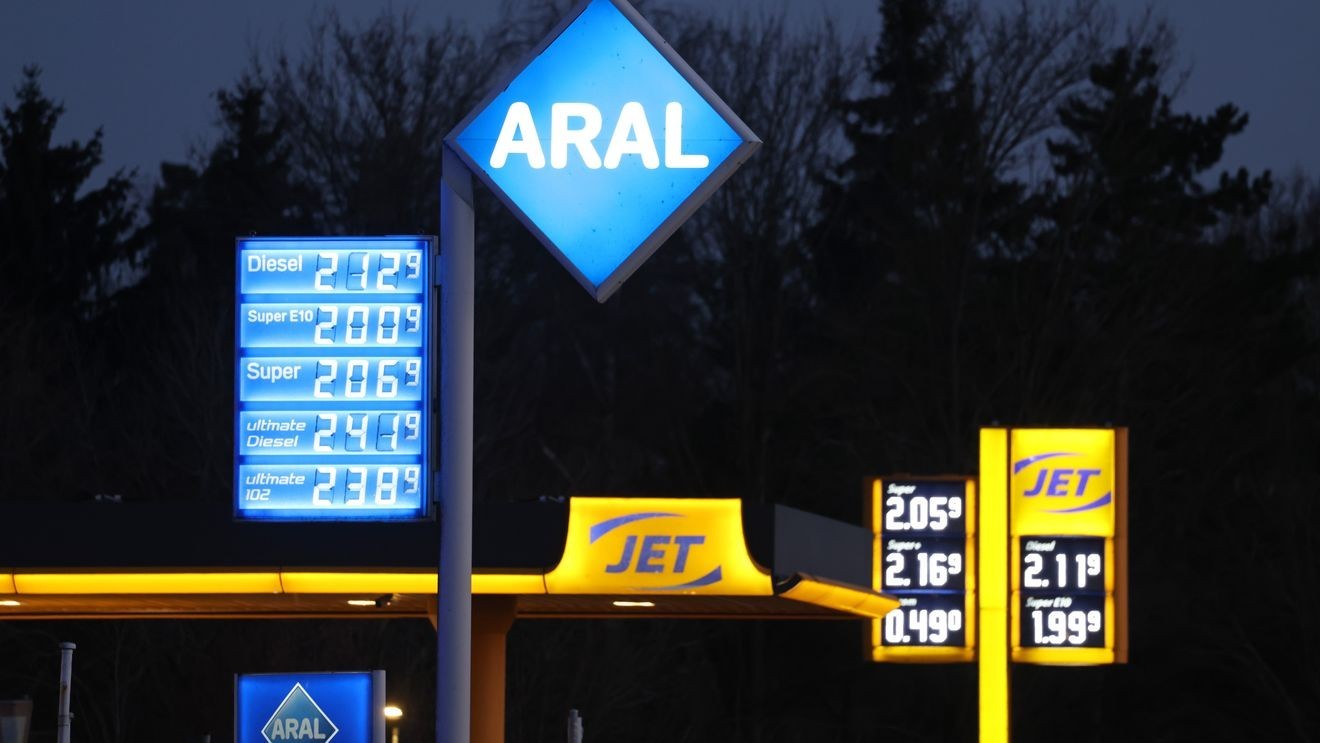
WASHINGTON (TNND) — As U.S.-Israel strikes continue in the Middle East and Iran retaliates, energy markets are on edge.
Americans may soon feel the impact at the gas pump, even more so than the $3.50 they’re already paying only two weeks into the conflict. This is due to shipping through the Strait of Hormuz, a critical chokepoint between Iran and Oman, which has been disrupted, affecting roughly 20 million barrels of oil per day — about a fifth of global supply.
When supply is halted but demand stays the same, that’s when prices spike.
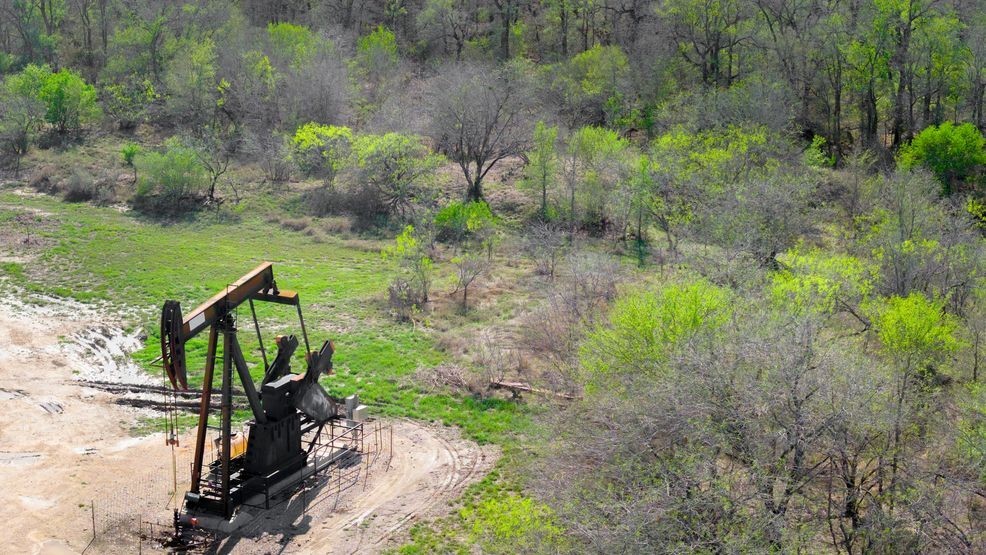
GILLETT, TEXAS – MARCH 11: In an aerial view, a pump jack operates in a field on March 11, 2026 in Gillett, Texas. The recent war involving Iran, the United States, and Israeli forces continues raising global concern over energy prices as attacks on energy infrastructure disrupt oil production and halt exports across the region. (Photo by Brandon Bell/Getty Images)
Analysts note that for every $1 increase in crude oil, gas prices typically go up 2.4–2.5 cents per gallon. A $10 jump in oil could translate to roughly 25 cents more per gallon at the pump. Historically, the highest U.S. gas price recorded by AAA was $5.01 per gallon in June 2022, when crude oil hit $114 per barrel amid Russia’s invasion of Ukraine.
In response to the recent market disruption, the U.S. will release 172 million barrels from its Strategic Petroleum Reserve, joining a coordinated 400-million-barrel release from 32 International Energy Agency member countries, including Germany, France, the U.K., and Japan. The goal is to add supply, calm markets, and signal that governments are ready to intervene if oil shortages persist.
According to the Energy Department, the U.S.’s strategic petroleum reserve currently holds about 415 million barrels — that’s less than 60 percent full.
“The oil market challenges we are facing are unprecedented in scale, therefore I am very glad that IEA Member countries have responded with an emergency collective action of unprecedented size,” said IEA Executive Director Fatih Birol in a press release on Wednesday. “Oil markets are global so the response to major disruptions needs to be global too. Energy security is the founding mandate of the IEA, and I am pleased that IEA Members are showing strong solidarity in taking decisive action together.”
The emergency oil release represents roughly 20 days of regional supply and will be phased over approximately 120 days. While this action may stabilize or even lower prices temporarily, analysts caution that it is not a long-term solution. If the Strait of Hormuz remains closed, oil and gasoline prices could continue to rise.
Consumers are advised to expect some volatility at the pump in the coming weeks as markets respond to both geopolitical risks and the phased release of emergency oil reserves.

 National Headline