A Texas-based DNA lab helped get answers in two New York state cold cases this week.
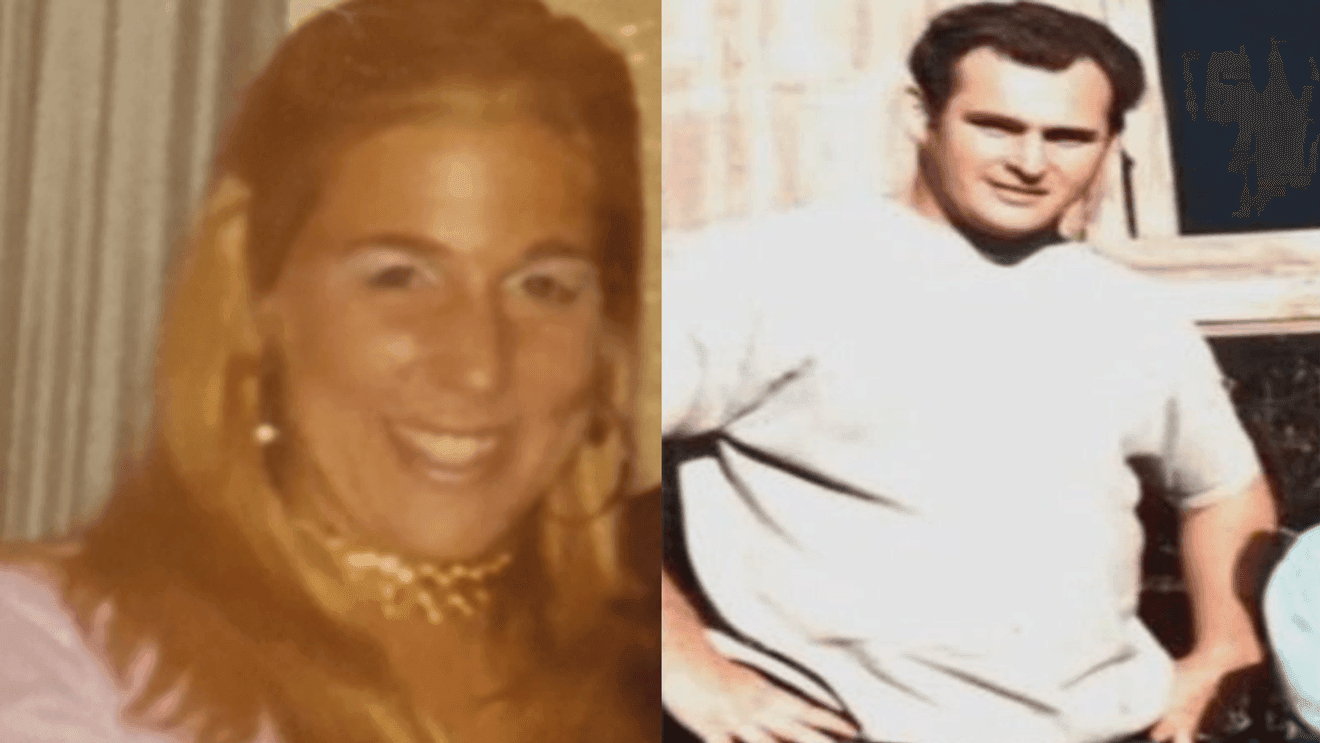
One was the case of Nassau County resident Barbara Waldman, who was found murdered in her Oceanside home on Jan. 11, 1974.

Barbara Waldman (Photo: Nassau County Police Department)
The case was investigated and a composite sketch was released. Investigators ruled out several potential suspects over the years, but no viable suspects were identified and the case went cold.
In 2024, investigators brought their forensic evidence to Othram, a DNA lab that has created a forensic database in part through members of the public contributing their DNA data, which is used solely to aid in investigations and help solve cold cases.
Othram developed a DNA profile for the suspect and delivered it to the Federal Bureau of Investigation’s (FBI) forensic genetic genealogy team.
The FBI was able to generate new leads, which resulted in them identifying Thomas Generazio, who had lived a few blocks away from Waldman and worked as a sanitation worker, as the suspect.
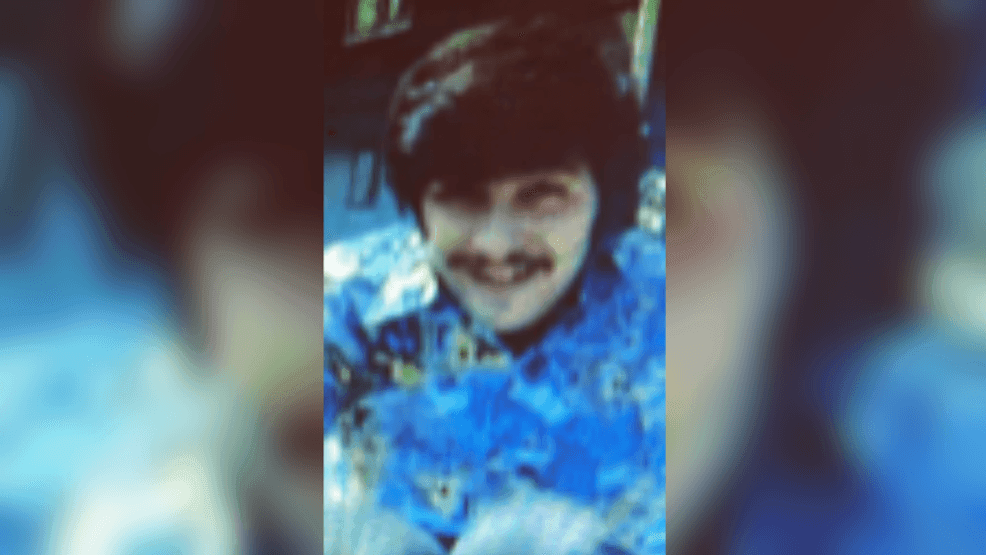
Thomas Generazio{ }(Photo: Nassau County Police Department)
Generazio died in 2004.
Othram also helped investigators make progress on a 1970 cold case, identifying a John Doe, though the man’s death remains under investigation.
New York cold case dating back to 1970 solved thanks to DNA evidence (WHAM)
In March of that year, decapitated remains were found on a rural road in Allegany County, near Andover. New York State Police determined the remains were those of an adult male whose head and hands had been removed and an X carved into his chest.
Investigators determined he had likely been the victim of a gangland killing. He became known as Allegany County John Doe (1970), and details were added to the National Missing and Unidentified Persons System.
In 2023, investigators teamed up with Othram for identity inference, which lets investigators identify victims from DNA evidence even without a known reference sample. Using the profile created, the FBI conducted a follow-up investigation which led to potential relatives of John Doe. That led to a positive identification of the victim as Clyde A. Coppage, 35, who had lived in Genesee, Pennsylvania, at the time of his disappearance. He was not from the area, and had never been reported missing.
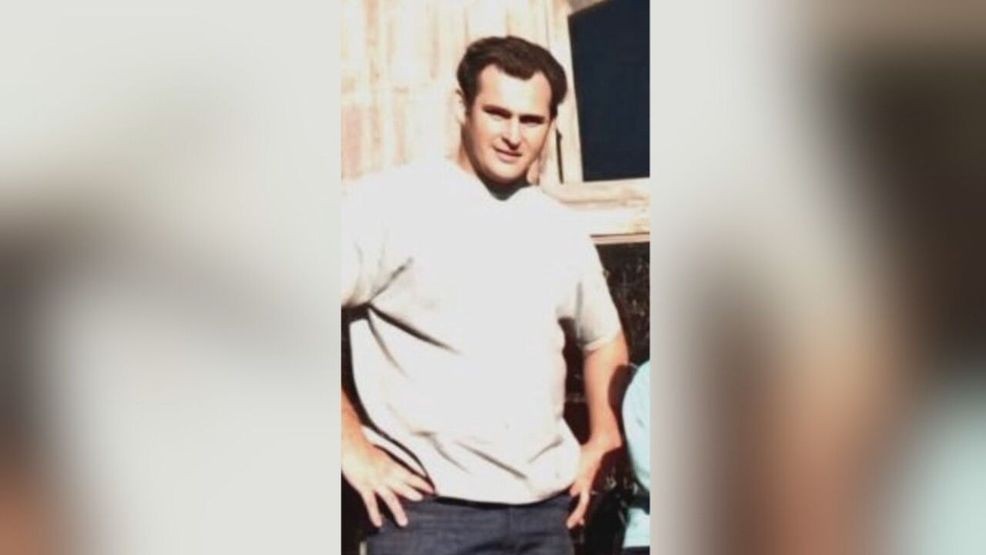
An undated image of Clyde Coppage of Genessee, Pennsylvania. His body was found with no head or hands off{ }Davis Hill Road in Andover, New York March 20, 1970, and was identified several decades later, according to New York State Police. (Photo: New York State Police)
New York State Police Bureau of Criminal Investigation investigators from SP Amity are now asking the public for help as the investigation into Coppage’s death continues. Anyone with information about Coppage or the circumstances surrounding his death is asked to contact New York State Police at 585-344-6200.
“In both of the cases, families have been waiting for decades for answers and now they know more because of DNA technology,” said Kristen Mittelman, who is the chief development officer at Othram. “Using DNA and forensic genetic genealogy, we’re going to continue solving cases and giving families answers.”
Othram invited the public to assist in solving cases and bringing closure to families, either by helping to fund cases or by contributing DNA that can be used to develop profiles.

 National Headline