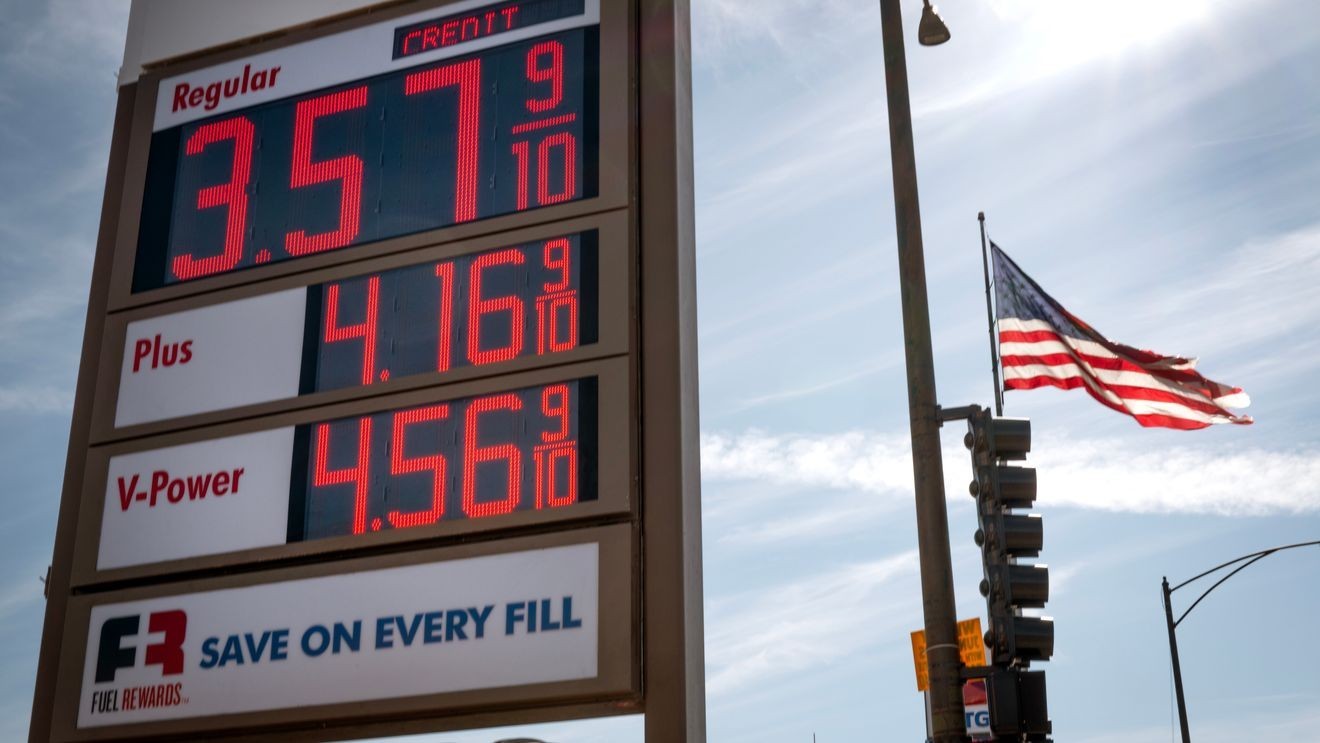
WASHINGTON (TNND) — Gas prices have jumped more than 50 cents a gallon since the war with Iran started, squeezing Americans already battered by years of inflation and creating a new political risk for Republicans heading into the midterm elections.
Gas prices have climbed to $3.63 per gallon as of Friday, compared to $2.94 one month ago, according to AAA. Diesel prices have climbed even higher, jumping more than $1.20 per gallon since last month. The jump marks one of the fastest rises in fuel prices since Russia’s invasion of Ukraine disrupted global energy markets in 2022.
Fuel prices have long been one of the most politically sensitive economic indicators because they among the most visible costs consumers face.
It’s unclear how long the price increases will continue with the conflict showing no signs of slowing, which could bring trouble for GOP lawmakers hoping to retain their slim majorities in Congress after November. Republicans were already facing headwinds heading into the midterms, which traditionally lead to the president’s party losing seats after the election.
The increase in gas prices follows a spike in global oil markets. Oil prices surged past $100 a barrel this week for the first time since 2022 over concerns of a prolonged closure of the Strait of Hormuz, a vital waterway where 20% of the global oil supply passes through. Traffic through the strait has effectively stopped since the conflict started, choking global supply and sending prices upward.
Higher oil prices ripple through the economy, increasing costs for air travel and shipping, which could make food and other goods more expensive.
“This is one of those kinds of issues that is in people’s face all the time,” said David McLennan, a political science professor and director of the Meredith poll. “Whether people walk into the grocery store or stop to fill up their car, they just see prices higher than they’re used to and they blame politicians. The politicians that are in charge are Republicans, so they’ll blame Republicans.”
Democrats, who have been highly critical of the war, have pointed to the increase in gas prices as evidence the Trump administration and Republican majorities in Congress are failing to deliver on promises to lower the cost of living.
Americans have been frustrated for years about the rising cost of living since inflation surged during the post-pandemic economic recovery. The rate of inflation has slowed from the high of 9.1% reached in 2022, but prices are 25% higher than 2020. A prolonged increase in oil prices also threatens to undo progress on inflation as its effects trickle through the economy.
Prior to the war, lower gas prices were one of the most evident signs of progress against inflation that has been running above the Federal Reserve’s 2% target for nearly five years. Trump highlighted the progress on gas prices during his State of the Union address as part of his administration’s successes in bringing down costs.
The White House has made several moves to try to blunt the impact of rising oil prices, approving the release of 172 million barrels from the nation’s strategic reserve and temporarily lifting sanctions on Russian oil. Officials are also considering suspending the Jones Act, which requires U.S.-flagged ships to transport goods between American ports, a move the White House said would “ensure vital energy products and agricultural necessities are flowing freely to U.S. ports.”
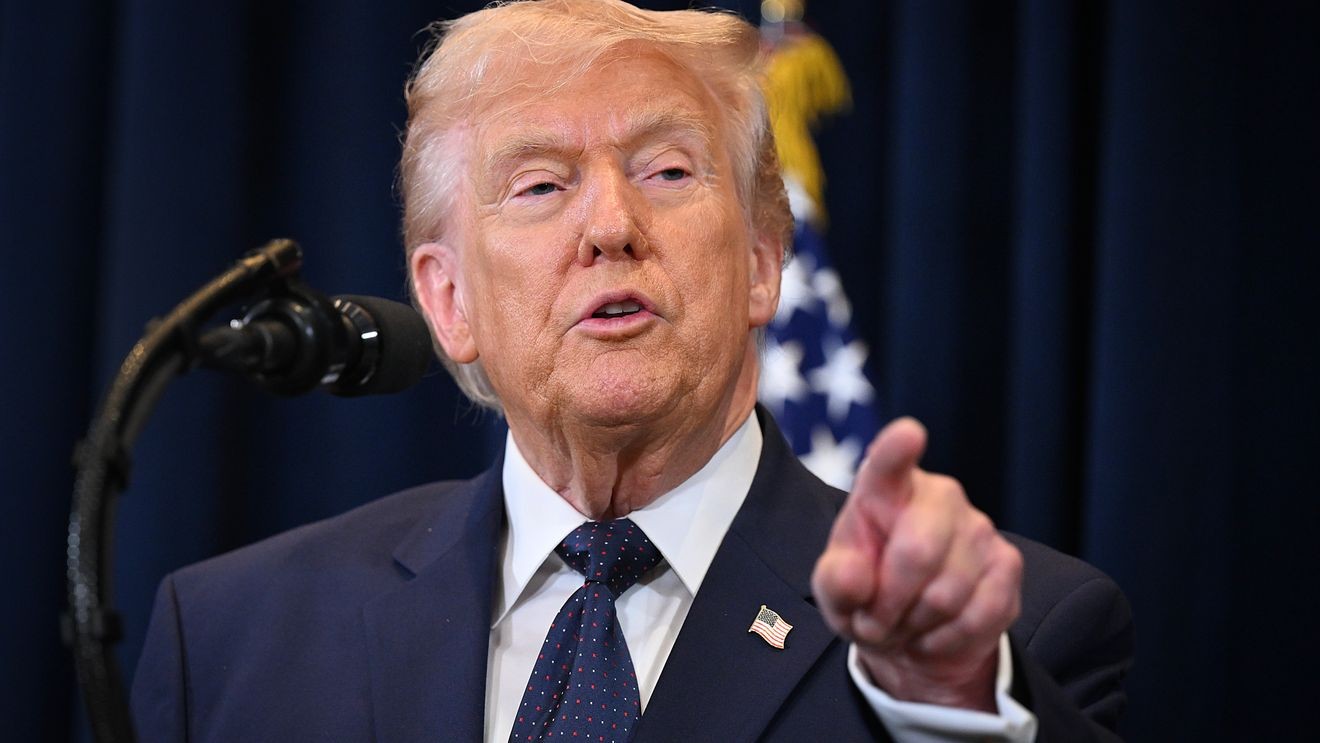
Trump has said the disruptions in oil and gas prices are temporary and were a small price to pay for the country’s safety. He also said the country benefits financially when oil prices increase.
“The United States is the largest Oil Producer in the World, by far, so when oil prices go up, we make a lot of money,” Trump wrote in a post on Truth Social.
Polling about the war itself is divided, but voters across party lines are worried about its economic consequences. Republican voters have been largely supported the Iran conflict in most public polling, while Democrats and independents are broadly opposed to it.
How the war will impact gas prices has also been a leading concern for voters, with 74% in a Quinnipiac University survey saying they are at least somewhat concerned the war would lead to higher prices at the pump, including half of Republicans.
Nearly two-thirds of Americans expect gas prices will “get worse” over the next year as a result of the conflict, according to an Ipsos poll conducted March 6-9. Nearly half of Republicans expected gas to get more expensive, while Democrats and independents overwhelmingly expected to pay more at the pump.
The economic impact of the war could become a liability for GOP candidates who have largely backed the administration’s actions in Iran.
“This is a real tough situation for Republicans running in the midterms, because they generally are supporting the president’s actions in Iran, with some exceptions, but they’ve got to pay the consequences,” McLennan said.

 National Headline