WASHINGTON (TNND) — The Trump administration invoked the Defense Production Act on Friday to restore oil production off the coast of California as the war with Iran has disrupted the flow of oil to global markets.
The Department of Energy is directing Sable Offshore Corp., a Texas-based oil and gas company, to restart operations that have been shuttered for years. Sable Offshore’s unit includes three rigs, pipelines and a processing facility that California officials have kept offline since a 2015 oil spill.
The move utilizes the Defense Production Act, a Cold War-era law giving the president emergency authority to control domestic industries to meet national defense needs. Presidents have used it for decades across multiple federal agencies to support a range of government priorities. It is regularly invoked by the Defense Department to prioritize the fulfillment of its contracts for military equipment and the Federal Emergency Management Agency in response to disasters to supply food, water and other necessities.
The definition of what constitutes national security has expanded over the years as Congress has reauthorized the law, giving the president more flexibility and authority.
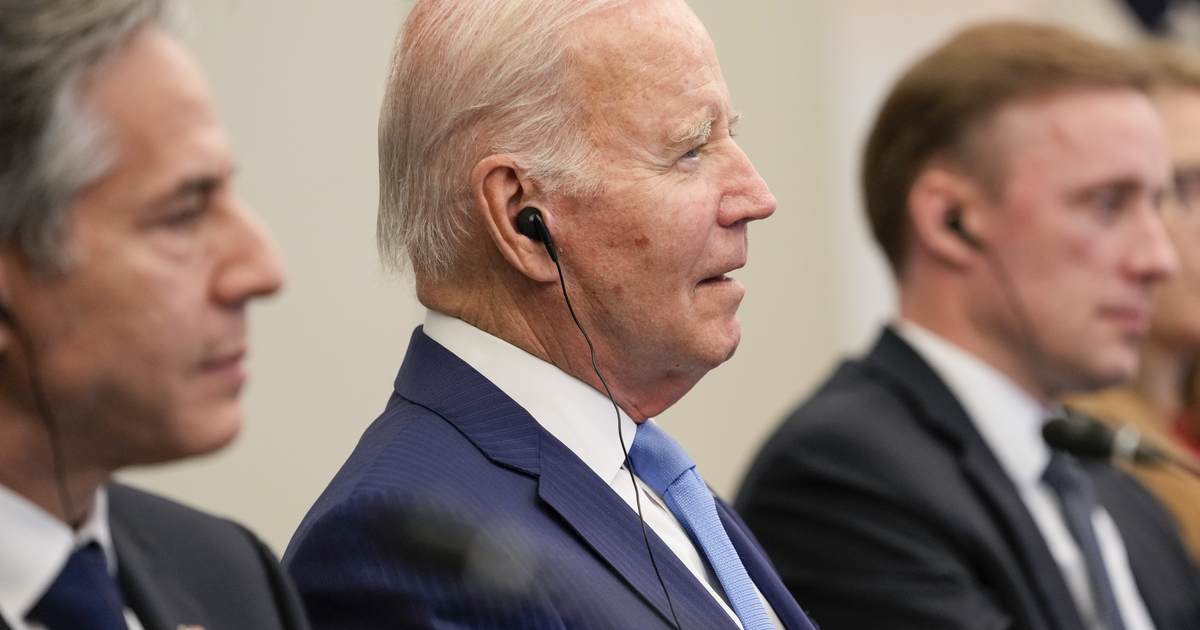
In recent history, Trump and former President Joe Biden invoked the Defense Production Act to boost domestic production of critical minerals. Biden and Trump also used it during the coronavirus pandemic to address shortages of medical supplies, bolster supply chains for essential goods and accelerate vaccine production.
The law gives the president the authority to direct private companies to prioritize orders from the federal government that are deemed necessary for national defense. It also gives the president authority to use loans or other incentives to increase production of critical goods and authorizes the government to establish voluntary agreements with private industry.
The Defense Production Act gives the president more maneuverability to quickly address the country’s needs in times of crisis. It is a powerful tool for the executive branch to ensure laws and markets can deal with unexpected crises in a timely manner.
The Trump administration has also threatened to use the law against Anthropic in a dispute with the Pentagon over its restrictions on its artificial intelligence tools. NBC also reported the White House has considered using the Defense Production Act to accelerate the production of munitions as the U.S. continues the conflict with Iran and will need to replenish stockpiles of offensive and defensive munitions.
Officials said using the emergency authority aims to address supply disruption risks, which comes as oil prices have jumped significantly due to the war with Iran. Oil has climbed over $100 a barrel since the war started on Feb. 28, bringing a quick increase to prices at the pump that will ripple into other parts of the economy if it lingers.
Energy prices have climbed because traffic in the Strait of Hormuz, a narrow waterway where roughly 20% of the world’s oil supply passes through, has effectively been shut down due to the war.
Trump has called on NATO allies to help the U.S. secure the strait of Hormuz and restore the flow of tankers transporting oil, but no countries have committed to sending warships he has requested.
The Energy Department said Sable Offshore Corp.’s facility off California’s coast can produce about 50,000 barrels of oil per day, or about 1.5 million barrels each month. By comparison, some 20 million barrels pass through the Strait of Hormuz each day. The U.S. is already a net exporter of oil and refined products, but its products are still subject to global markets that set prices.
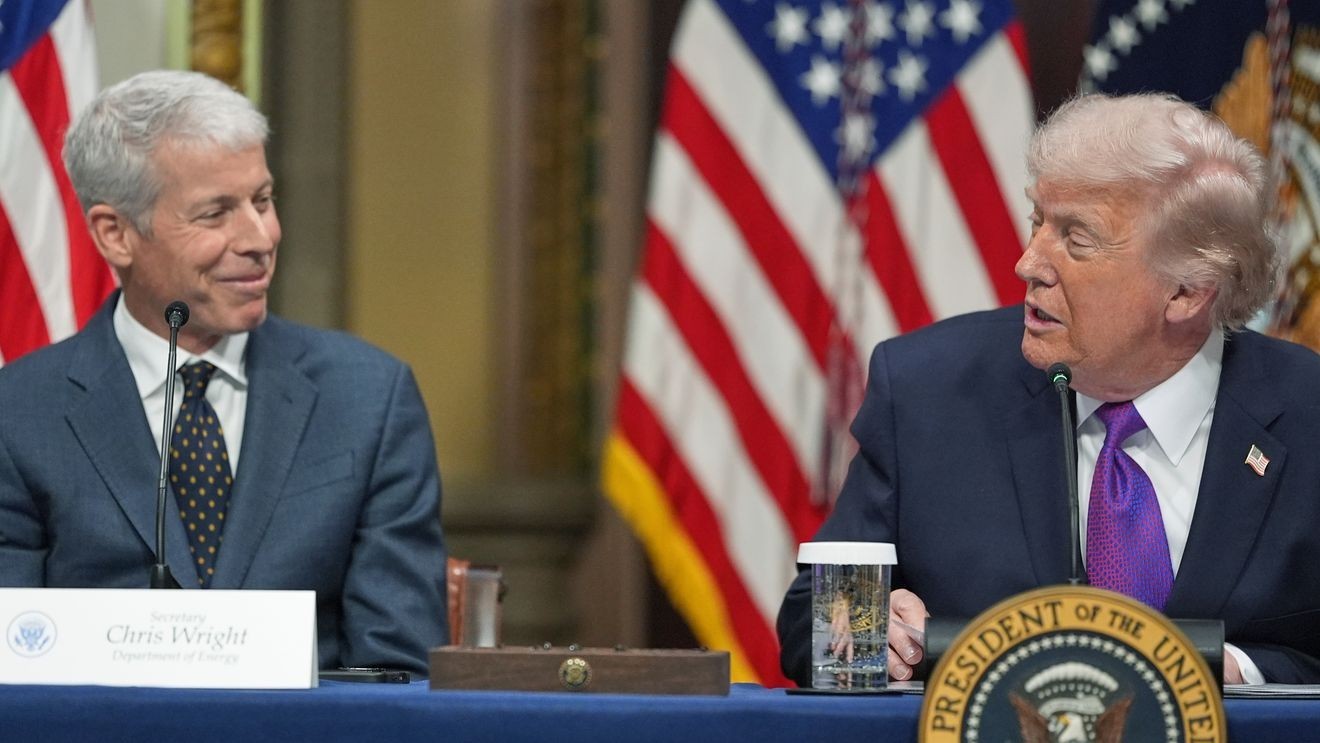
“The Trump Administration remains committed to putting all Americans and their energy security first,” Energy Secretary Chris Wright said in a statement. “Unfortunately, some state leaders have not adhered to those same principles, with potentially disastrous consequences not just for their residents, but also our national security.”
California officials railed against the decision to invoke the Defense Production Act and have fought the Sable project for years after a 2015 oil spill that released more than 100,000 gallons.
“This wouldn’t lower prices by a cent. This is an attempt to illegally restart a pipeline whose operators are facing criminal charges and prohibited by multiple court orders from restarting,” California Gov. Gavin Newsom said in a statement.
Restarting the Sable facility is one of several measures the U.S. is taking to stabilize oil markets. The U.S. and other member countries of the International Energy Agency are also planning to release 400 million barrels of oil from their strategic reserves over the coming weeks to minimize the effects of the war on the oil market. Some sanctions on Russian oil shipments have also been temporarily eased due to supply shortages.

 National Headline