
As much as people think they can escape the human tendency to serve their own interests, it continues to make itself known, even amongst our most “progressive” and supposedly most “enlightened.”
Advertisement
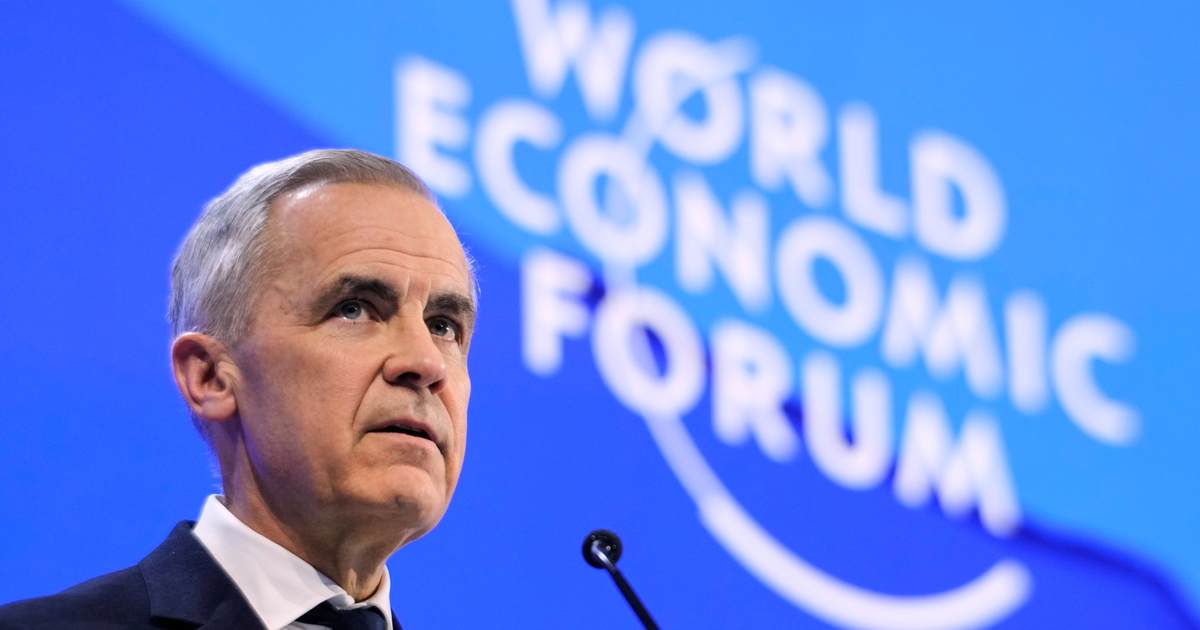
Canadian Prime Minister Mark Carney, who holds a PhD in economics from Oxford, told reporters in China this week that merging two of the country’s four major telecom carriers would actually increase competition because a “form of oligopoly can lead to more competition with fewer players under certain circumstances.”
And while that can be true, Canada’s telecom industry hardly makes a convincing case for giving customers fewer alternatives. Each of the four companies carries substantial debt and faces rising customer complaints, suggesting considerable inefficiencies even without collusion. So why might a progressive prime minister find the prospect appealing? Because the political benefits need not depend on whether Canadians actually get a better deal, the Canadian government has plenty to gain as well.
Mark Carney on Quebecor-Telus deal: “Depending on the market structure, the form of oligopoly can lead to more competition with fewer players under certain circumstances.” https://t.co/f6KE3v5joR
— Scott Robertson (@sarobertson_) November 18, 2026
“We have a competition lens, a pro-competition lens, because that’s what’s going to drive affordability for Canadians,” Prime Minister Carney told reporters.
Recommended
Advertisement
“Depending on the market structure, the form of oligopoly can lead to more competition with fewer players under certain circumstances. And that’s the kind of, and so it depends on the market structure aspect of it, and we need to take informed decisions on that. But when push comes to shove on any decision, if we can have more competition, lower prices, better service for Canadians, that’s where we’re going to land.”
A government-approved merger, however, could give Ottawa a political win without delivering any of the lower prices or better service Carney says he will prioritize.
The Canadian telecommunications lobby is already widely regarded as one of the most influential corporate lobbies in Ottawa, and consolidation would strengthen the relationship in both directions: fewer corporate giants concentrating their lobbying power on the government, and a government able to exert greater influence over roughly 90 percent of the industry.
The approval process would also give Ottawa greater leverage to seek commitments on investment, jobs, or service, promises it could then present as concessions secured in the interest of Canadians. Carney would get something to take credit for, while the companies would get one fewer competitor and face even less pressure to improve their services.
Advertisement
This is yet another reason not to treat government intervention as a good in itself, whether it involves a “critical” industry or anything else. Power tends to corrupt, and businesses are no exception. Once companies are treated as too important to fail, they have less reason to improve through competition and more reason to secure the government’s protection. Convincing politicians to keep them in business can become more rewarding than convincing their customers they deserve to stay in business.
That danger exists regardless of the country, the industry, or the promised outcome. This is crony capitalism at its finest, rooted in the same political favoritism that characterizes socialist and communist regimes.
Editor’s Note: The Democrat Party has been infected by socialism, and it’s spreading FAST. Democrats are claiming there’s nothing to worry about, but we know the truth.
Help us continue to shine a light on the socialist takeover by joining Townhall VIP. Use promo code FIGHT to get 60% off your VIP membership.

 National Headline
