
The Trump administration moved Tuesday to ban five prominent European figures from entering the United States over allegations that they are censoring “American viewpoints” on online platforms.
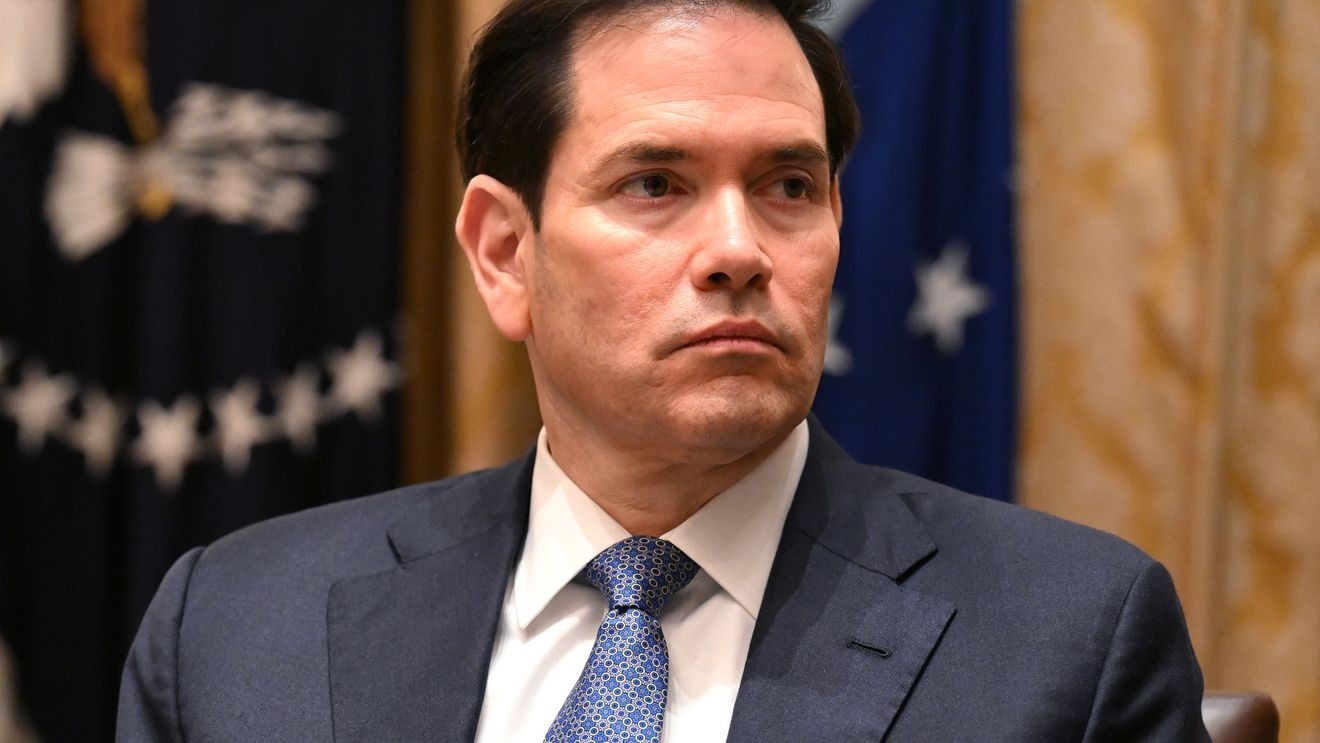
Secretary of State Marco Rubioannounced visa restrictions on Thierry Breton, a former European Union commissioner, along with Imran Ahmed of the Center for Countering Digital Hate, Clare Melford of the Global Disinformation Index, and German activists Anna-Lena von Hodenberg and Josephine Ballon of the nonprofit HateAid. All five have played leading roles in campaigns aimed at combating online hate speech and misinformation.
Rubio accused the individuals of spearheading “organized efforts to coerce American platforms to censor, demonetize, and suppress American viewpoints.” He said their activities amounted to “extraterritorial overreach” that could harm U.S. foreign policy interests, adding that the administration was prepared to expand the list if others “do not reverse course.”
“The Trump Administration will no longer tolerate these egregious acts of extraterritorial censorship,” Rubio said in a post on the social platform X. “Today, @StateDept will take steps to bar leading figures of the global censorship-industrial complex from entering the United States. We stand ready and willing to expand this list if others do not reverse course.”
The move relies on a policy unveiled in May that allows the United States to deny visas to foreign nationals accused of censoring Americans. Under related immigration provisions, the Department of Homeland Security could also initiate removal proceedings against certain individuals already in the country, according to the State Department notice.
Breton is the most high-profile target banned. As the EU’s former top technology regulator, he was a central architect of the Digital Services Act, which puts greater requirements on large online platforms to police illegal content, hate speech, and disinformation. U.S. officials argued the law unfairly singles out American technology companies and chills free expression. Breton rejected the accusation, calling the ban on him a “witch hunt.”
“Is McCarthy’s witch hunt back?” Breton wrote on X, referring to the 1950s crusade against the spread of communism led by Sen. Joseph McCarthy in the 1950s. “To our American friends: ‘Censorship isn’t where you think it is.’”
French President Emmanuel Macron condemned the decision as “intimidation and coercion” that undermines Europe’s digital sovereignty.
“The European Union’s digital regulations were adopted following a democratic and sovereign process by the European Parliament and the Council,” Macron posted on X. “They apply within Europe to ensure fair competition among platforms, without targeting any third country, and to ensure that what is illegal offline is also illegal online. The rules governing the European Union’s digital space are not meant to be determined outside Europe.”
The European Commission warned it would respond “swiftly and decisively” if necessary to defend its regulatory autonomy, while European Council President António Costa said such measures were unacceptable between allies.

 National Headline