MARYLAND (WBFF) — As rising energy bills remain top of mind for many Marylanders, both state and local leaders are taking steps to try and reduce costs for residents.
“Folks really just can’t continue on this path,” Baltimore City Councilman Mark Conway said. “The sad reality is we know its going to continue to go higher.”
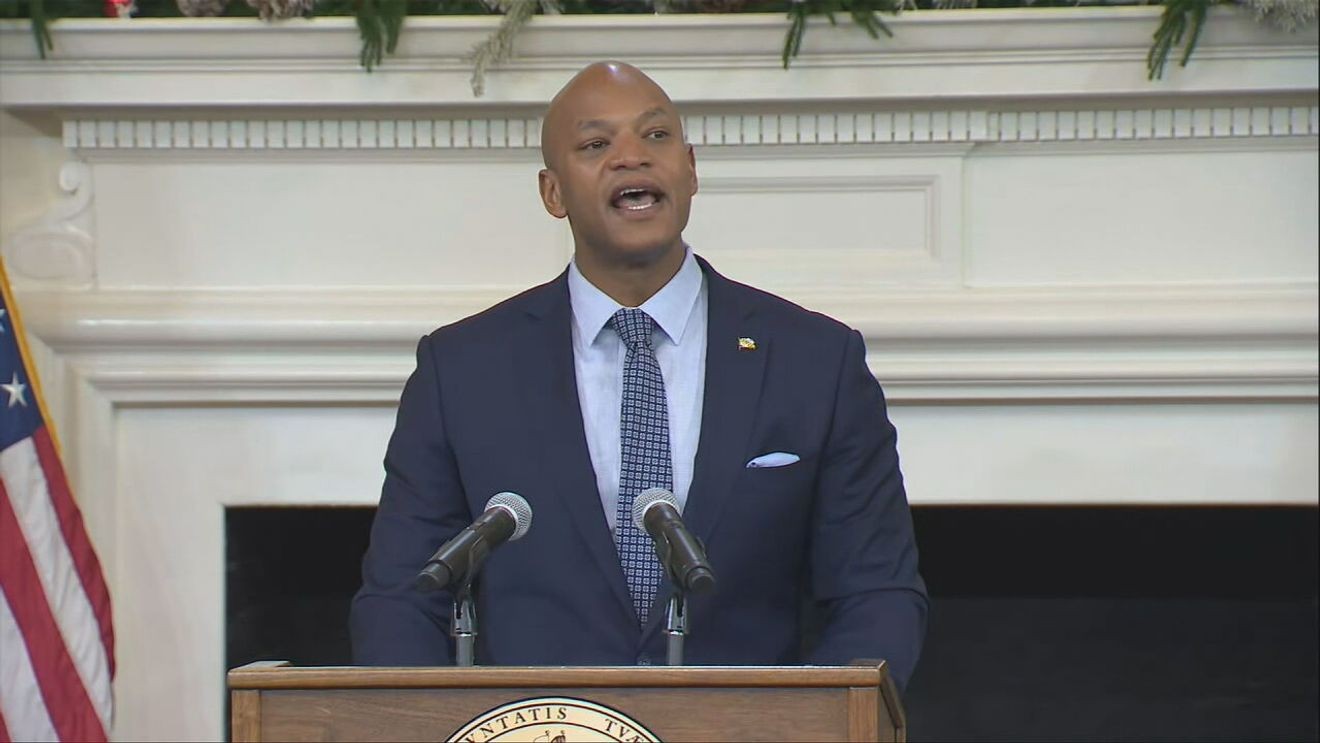
Early Friday morning, Governor Wes Moore signed an executive order to lower energy costs and come up with affordable solutions.
“This order addresses the untenable system causing these costs to skyrocket,” Governor Moore said.
ALSO READ | Maryland Redistricting Commission to move forward with recommending new congressional maps
The executive order will establish an energy subcabinet, chaired by the Director of the Maryland Energy Administration, and it will also establish a new Maryland Energy Advisory Council, bringing together utility companies, advocates and other officials. The council will be required to submit a formal memorandum, identifying the most urgent challenges to energy affordability and reliability.
The executive order also directs the Maryland Energy Administration to petition the Maryland Public Service Commission to hold utility companies accountable to budget billing programs, assessing whether current practices adequately protect customers. Under this new order, there will also be a focus on modernizing the grid with improved technology as well as a site-readiness initiative, to easily identify “pre-vetted land” for potential energy projects.
During the press conference, Governor Moore continued to tout the importance of clean energy, which he argues will quickly help generate more affordable energy. Governor Moore also pointed the finger at PJM, the regional grid operator, saying “if PJM continues to fail to meet the demands for energy supply, prices will continue to rise.”
In a statement, a spokesperson from PJM said, “We applaud Governor Moore for the advancement of his Executive Order and look forward to working with his administration on the matters referenced.”
“We don’t agree with the Governor’s characterization that we are slowing generation projects from connecting to the grid. PJM has processed over 170 GW worth of projects over the last few years, and there are currently 57 GW worth of projects through PJM’s process and free to connect with the grid, but many aren’t doing so due to matters outside of PJM’s control, like state permitting laws. Let’s get those projects built while we continue to connect more. The recent PJM capacity auction produced pricing that reflects current supply/demand conditions. Nowhere is this more evident than in the State of Maryland, which is leaning heavily on the rest of the PJM system by importing ~40% of its power annually,” the statement continued to say.
ALSO READ | Governor Moore addresses public safety, economy and other issues in one-on-one interview
In a statement, Republican Senator Stephen Hershey also responded saying, “If the Governor wants affordable, dependable electricity and real economic growth, he must acknowledge that intermittent wind and solar aren’t enough — and start embracing natural gas and other reliable baseload generation sources.”
On the local level, Baltimore City Council member Mark Conway is also calling for change, and is behind a proposal to create a Baltimore Public Power Authority.
“This would would be a quasi-government, city-controlled entity that could buy, generate and store power on behalf of Baltimore residents,” Conway said. “It would be a public option that would allow folks to choose to be a part of the system, and it would provide some much needed competition to a monopoly in BGE, and the generators abroad, that really determine where our energy comes from.”
“It would start with a focus on micro grids,” Conway added. “Micro grids allow you to generate and store energy in order to deploy that energy later. What it would allow you to do is avoid those peak hour times when energy is the most expensive, like now, in the middle of the day.”
However, in order to make that proposal a reality, Conway said the City would need the ability to negotiate rates and the buying and selling of energy on behalf of residents. Conway said changes in state law would be necessary to put the plan into action, which is why Conway has been working with lawmakers who will propose several bills this upcoming legislative session.
“What this does is pretty unique,” Conway said. “It creates an entity that is a public option because we want to create a power generation option that is focused on the needs of the people, something that can keep energy rates low, and can meet the needs of everyday people reliably, but then also provide some resiliency factor for when the grid goes down, and we have brownouts or blackouts, which we expect will happen more in the future.”
Conway said the proposed authority would be similar to something already in place in Montgomery County.

 Local Story