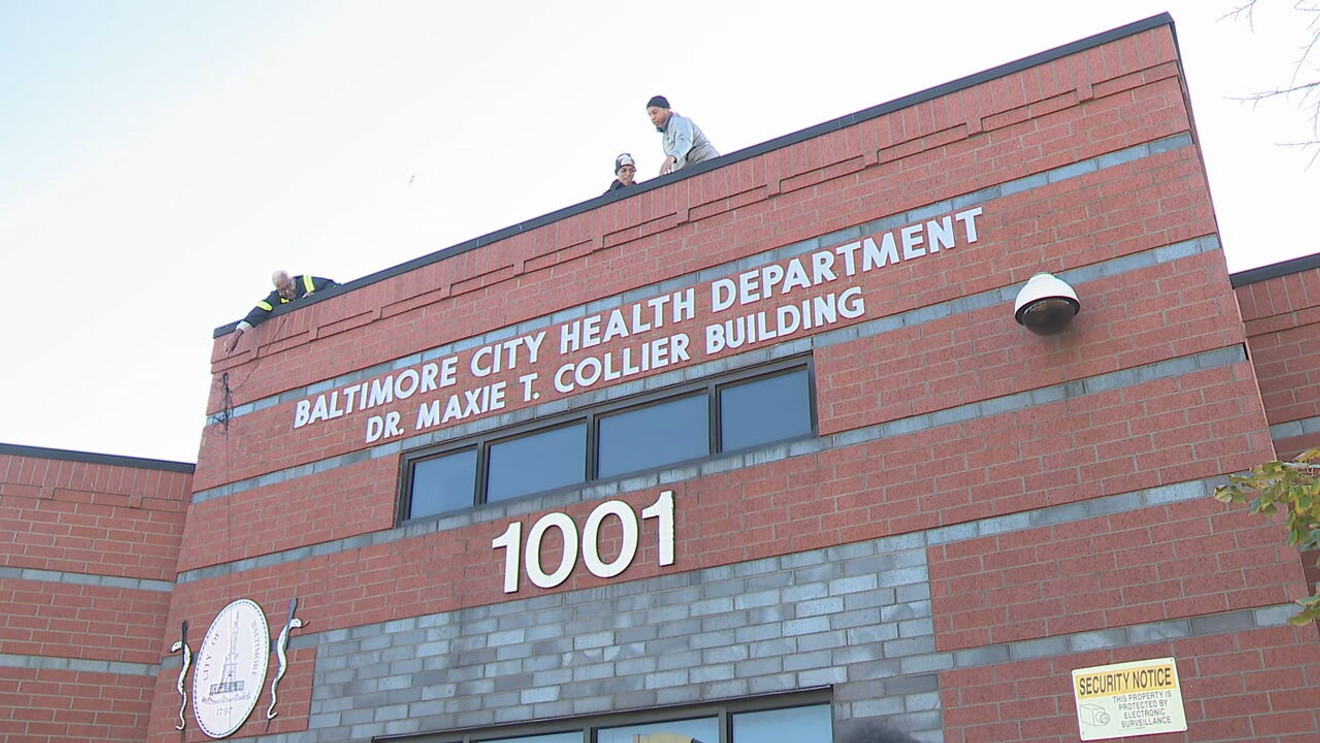
BALTIMORE (WBFF) — The Baltimore City Health Department (BCHD) separated employees by race for a series of taxpayer-funded equity meetings, according to internal documents obtained by Spotlight on Maryland through a public information request.
Records show the agency paid outside consultants to conduct racial equity training and then advised BCHD to host separate “white caucus” and “people of color caucus” meetings. The practice – carried out inside Baltimore City government and funded with public dollars – has drawn sharp criticism from civil rights leaders, legal experts, and community members who say it risks deepening division and raises legal and ethical concerns.
The documents offer a rare, detailed look at how a major city agency implemented race-based employee programming under the banner of equity at a time when governments nationwide are facing heightened scrutiny over race-conscious policies and compliance with civil rights laws.
Invoices obtained by Spotlight on Maryland show BCHD paid roughly $50,000 between 2022 and 2024 for an “Undoing Racism Workshop” led by the Louisiana-based People’s Institute for Survival and Beyond. In one internal email, a Baltimore City Office of Equity & Civil Rights employee described the organization as “OG radical organizers.”
BCHD paid the People’s Institute to attend and provide feedback for its monthly “White Caucus Group,” defined by the agency as a “group of white people who meet for the purpose of building analysis, awareness, stamina, and strategy to challenge systemic racism and internalized white supremacy.”
“These goals require some time and intentional spaces where white people can do the personal work of understanding our own complicity and systemic racism and build the skills necessary to challenge that complicity,” the agency’s description of the scheduled meetings said. “White affinity groups allow us to examine our racial conditioning without relying on people of color for answers or subjecting them to our process.”
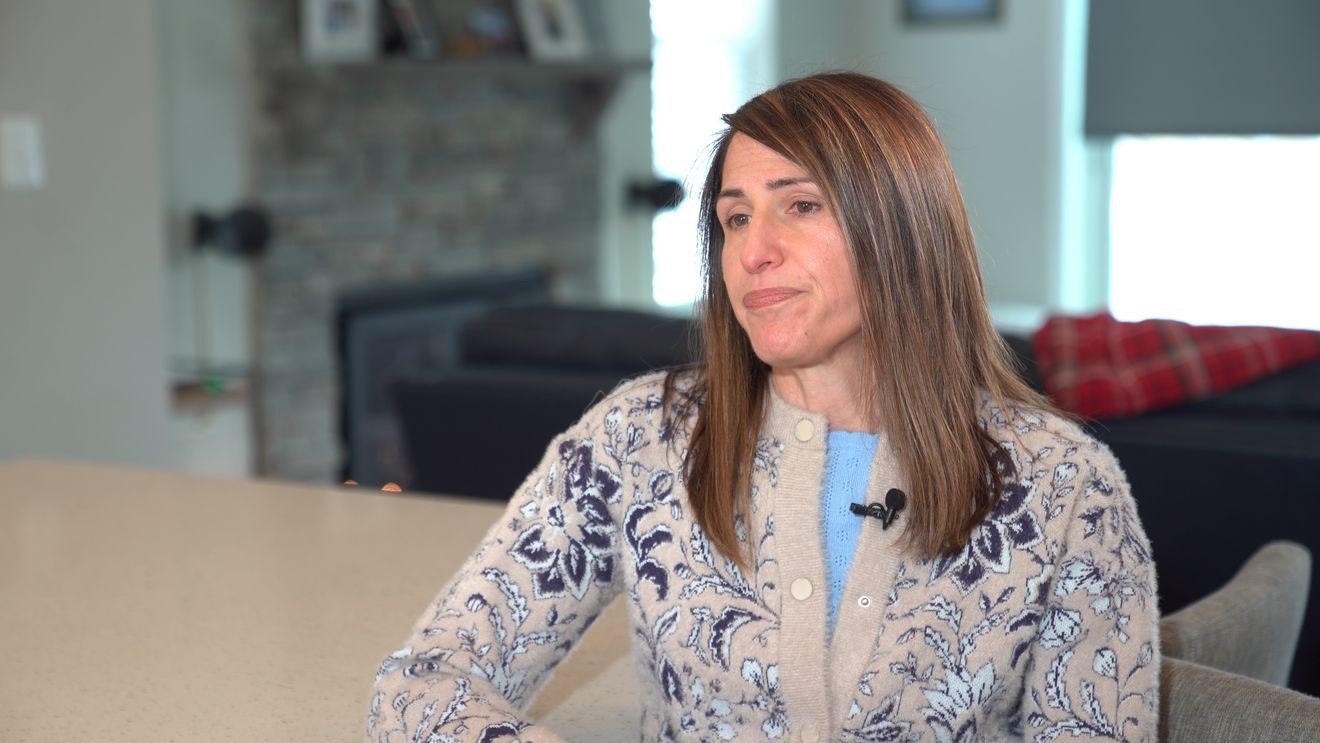
Chad Dion Lassiter, the executive director of the Pennsylvania Human Relations Commission, which is the state’s top civil rights enforcement agency, said BCHD’s decision to segregate its employees “has the potential to go off the rails.”
“You don’t segregate people, especially in this moment,” he told Spotlight on Maryland. “I think that it further divides us. And you run the risk in this moment because we’re seduced into divisions, so this could not just alienate people but lead to a form of trauma as well.
Lassiter said his approach to racial equity training is more collaborative and empathetic.
“We construct it in a way where it doesn’t become divisive, where whites are not leaving there feeling beat up by white guilt. But we’re talking about accurate history as well,” he said.
Internal emails also reveal concerns about power dynamics inside the segregated meetings. In an August 2023 message, a BCHD employee organizing the white caucus said: “There is also a power dynamic issue because the current Acting Commissioner is a part of the conversations and some of the co-leads are scared to correct the head of the agency.”
BCHD paid the People’s Institute $150 for each white caucus meeting it attended and oversaw. Another email shows the white caucus meetings continued through at least June 2025. Employees discussed an additional payment to the People’s Institute in 2025, though it’s unclear whether that payment was made.
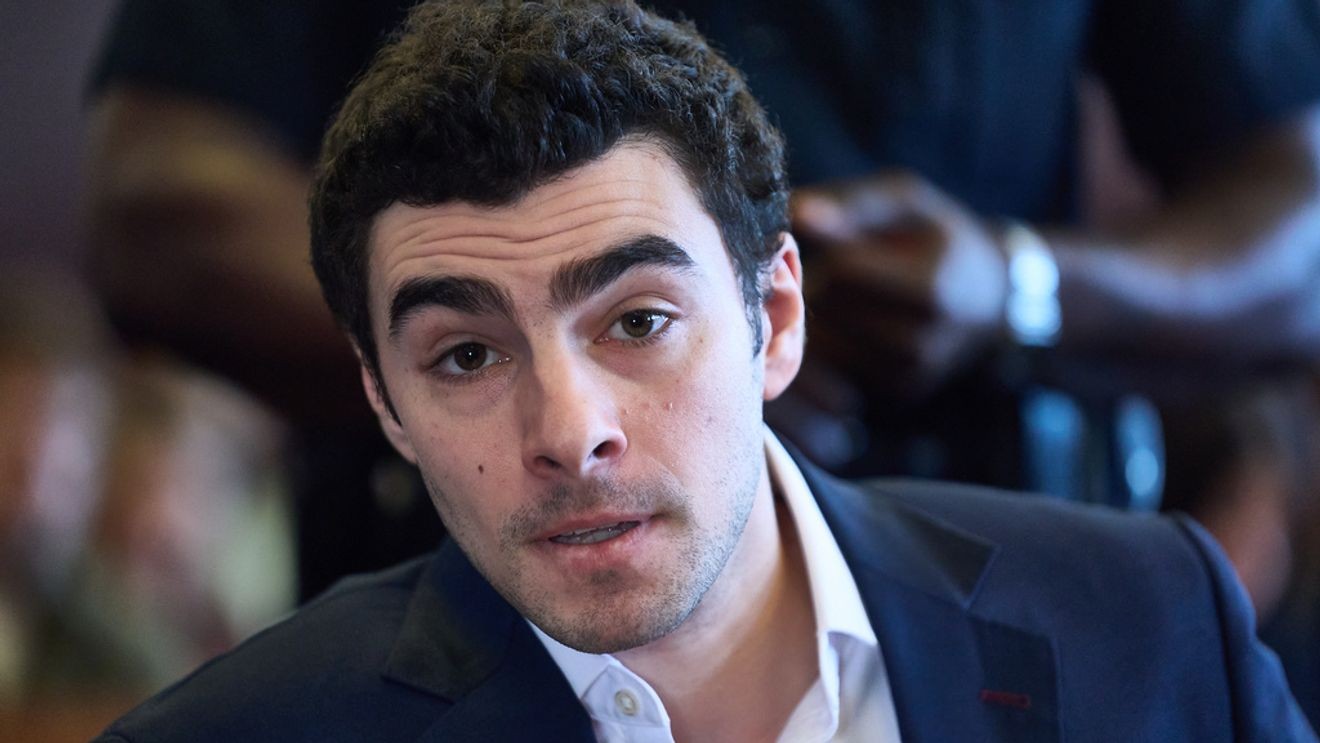
Thiru Vignarajah, former Maryland deputy attorney general, said the practice of segregated meetings “raises serious legal questions.”
“I don’t think this is what Thurgood Marshall or the pioneers of the civil rights era had in mind for where we should be,” he said. “The Supreme Court has always said that diversity is a valuable goal, whether it’s in higher education or law school education. Those are valuable goals. But the Supreme Court has also said how you get to those goals matters, and you can’t use methods like separating people into white rooms and people of color rooms.”
P.M. Smith, a pastor at Huber Memorial Church and former Maryland attorney who grew up in East Baltimore during the 1950s, said modern equity efforts often miss the mark.
“I’m the last generation that really experienced segregation,” he told Spotlight on Maryland. “I’m not interested in separating and talking about how unprepared we are, what racism is. We know that. That’s an obvious thing. The question is: how do you overcome that? I overcame that. We overcome that by zeroing in on the power we do have to change, to improve, to elevate values, to spread those values, share those values as a group. As families. As a part of a community.”
Smith called the BCHD training counterproductive.
“It’s a waste of time and money,” he told Spotlight on Maryland. “They assume that folks come in with these biases. Ok, fine. How can we change it if you continue to isolate and segregate yourselves? Are we going backwards? No. You change it by bringing people in contact with each other.”
Receipts show BHCD also spent more than $2,000 in taxpayer funds on food for a three-day racial equity training hosted by the People’s Institute in November 2024.
BCHD did not respond to the following questions:
Vignarajah said BCHD owes taxpayers an explanation.
“You don’t get to just separate people by color under the pretext of pursuing diversity and then stonewall when the public comes asking questions and expecting answers,” he said. “If something is too offensive to say out loud when there’s people of other races in the room, you probably shouldn’t say it.”
A spokeswoman for the People’s Institute defended its role, referring to the meetings as “affinity spaces.”
“Affinity spaces, or employee resource groups as they are called in the corporate world, have been shown to increase employee engagement and retention. Research on affinity groups demonstrates that members feel more supported by colleagues after participating. These groups create opportunities to share ideas and offer feedback in smaller spaces, which then improves the quality of dialogue and problem solving across the department,” the spokeswoman wrote in an email.
Smith and Lassiter rejected that defense.
“The benefit of segregating? No,” Smith said.
“I would caution against an affinity space that is trying to bring a message forth for difficult conversations along the continuum of segregation,” Lassiter said.
Documents also show BCHD distributed materials for the caucus meetings, including a handout titled “The Iceberg of White Supremacy,” which lists “colorblindness,” “claiming reverse racism,” “anti-immigration policies” and the “celebration of Columbus Day” as examples of covert white supremacy.
Another resource titled “How to Plan a White Caucus Agenda” states: “Working in multiracial groups is difficult not because the group is difficult but because white supremacy is a systemic sickness.”
Vignarajah said BCHD must reconsider its approach.
“Isn’t this what we were trying to leave behind?” he said. “Putting white people in one room and black people in another? … I don’t think that’s how we get to the vision of a society that is truly integrated, that truly values diversity and equity and inclusion.”
Spotlight on Maryland is a joint venture by The Baltimore Sun, FOX45 News and WJLA in Washington, D.C. Have a news tip? Call 410-467-4670 or email SpotlightOnMaryland@sbgtv.com. Contact Patrick Hauf at pjhauf@sbgtv.com and @PatrickHauf on X.

 Local Story