The Scott Jennings Show
8:00 pm - 10:00 pm
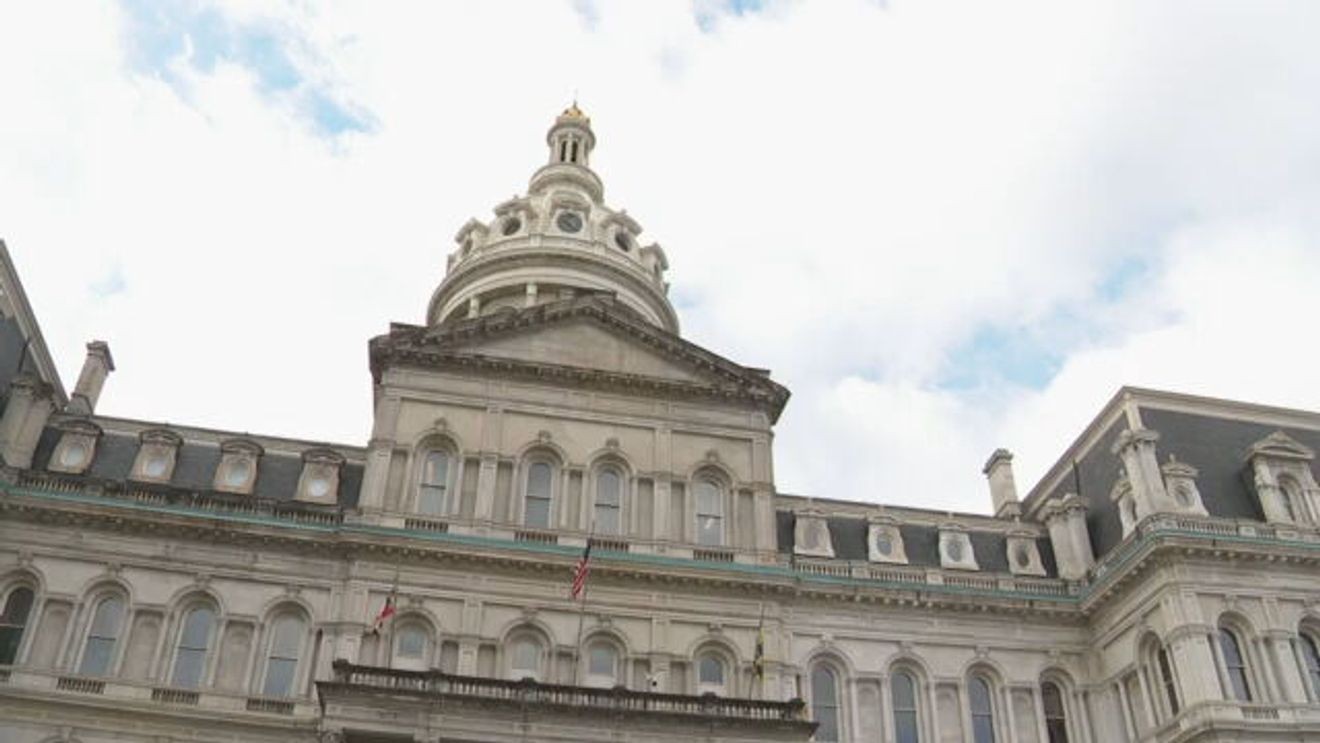
BALTIMORE (WBFF) — Baltimore City Councilmembers held a hearing on the conduit system Tuesday, and voiced concerns about the City’s agreement with Baltimore Gas and Electric.
Following several conduit fires, which were extremely disruptive for businesses and residents in the City, an investigation was conducted, and a report was released detailing a series of recommendations to improve the system and prevent conduit fires moving forward. According to the report, some of those recommendations include enhanced monitoring practices, emergency plans, identifying which areas are at risk, and taking steps to reduce congestion and overcrowding in the conduit system, among numerous other recommendations.
During the hearing, key questions about implementation and funding of the recommendations were discussed.
ALSO READ | BGE CEO responds to concerns about high energy bills
Baltimore City owns the 700-mile conduit system, which is an underground network of electrical and fiber-optic cables, but leases it out to utilities, like BGE.
According to the agreement, signed several years ago, BGE would contribute $134 million in capital improvement to the conduit. The agreement requires BGE to continue to pay an occupancy fee, as well as undertake capital improvements to the City’s conduit.
“The city can make recommendations, BGE decides the priority,” said Baltimore City Councilman Mark Conway. “That’s how the current agreement is structured. And they said that in the hearing. I think that that that’s problematic because if we’re talking about safety and preventing fires or explosions, that shouldn’t come down to a company that may not necessarily have, and I hope they do have those, those desires and intentions and priorities, but that may not always be the first thing on their agenda. And so we need to make sure that there is no room for misinterpretation if we have to address the safety issue.”
While some City leaders voiced concerns about the conduit agreement when it was initially signed, some of those concerns resurfaced during the hearing. Conway voiced concerns that the capital improvements made by BGE get passed on to ratepayers. Conway suggested it may be time to rethink the agreement to some extent.
“I want to make sure that our agreement with BGE positions us in a way such that we can truly address some of the capital needs that we have, but also do so in a way that doesn’t land on the shoulders of ratepayers, to the extent possible. We know that energy bills are way too high and they are slated to go higher. We don’t want to see this land on ratepayers, because if someone has to decide between, paying their energy bill and having internet,” Conway said.
ALSO READ | Lawmakers push back on BGE’s Baltimore Peninsula project
In a statement, a spokesperson from BGE said, “The RTI report provides a clear, data driven assessment of the recent underground conduit fires, and BGE fully supports its central findings. The report confirms that the age and condition of Baltimore’s centuryold conduit infrastructure are significant contributors to underground incidents, noting that the “aging of the conduit system and its installed equipment has created an environment with numerous risk factors” and that “modernization and/or replacement programs are critical” to reducing those risks. The report also highlights systemic conditions such as infrastructure overcrowding within multiutility manholes and the general condition of the conduit network that are causative of problems inherent to the Cityowned system.”
“These findings align directly with the modernization work BGE is undertaking pursuant to the Conduit Agreement with the City. Through that agreement, BGE is performing exactly the types of improvements recommended by RTI, including rebuilding and enlarging manholes, improving conduit layout and cable separation, and upgrading structural and safety conditions throughout the network. These modernization efforts directly address RTI’s conclusion that such improvements are necessary to mitigate future risks and enhance system resilience. BGE remains fully committed to providing safe and reliable electric service to our customers, the public, and our employees. We value the City’s partnership and will continue to collaborate closely with the Department of Transportation to support the systematic modernization of the City’s conduit system. Together, we are advancing a shared goal: a safer, more modern, and more resilient underground infrastructure for Baltimore,” the statement continued to say.
Officials with BGE argue customers have seen a slight cost savings on their bill from the conduit agreement from 2024 to 2026, ranging from 59 cents to 96 cents.

 Local Story