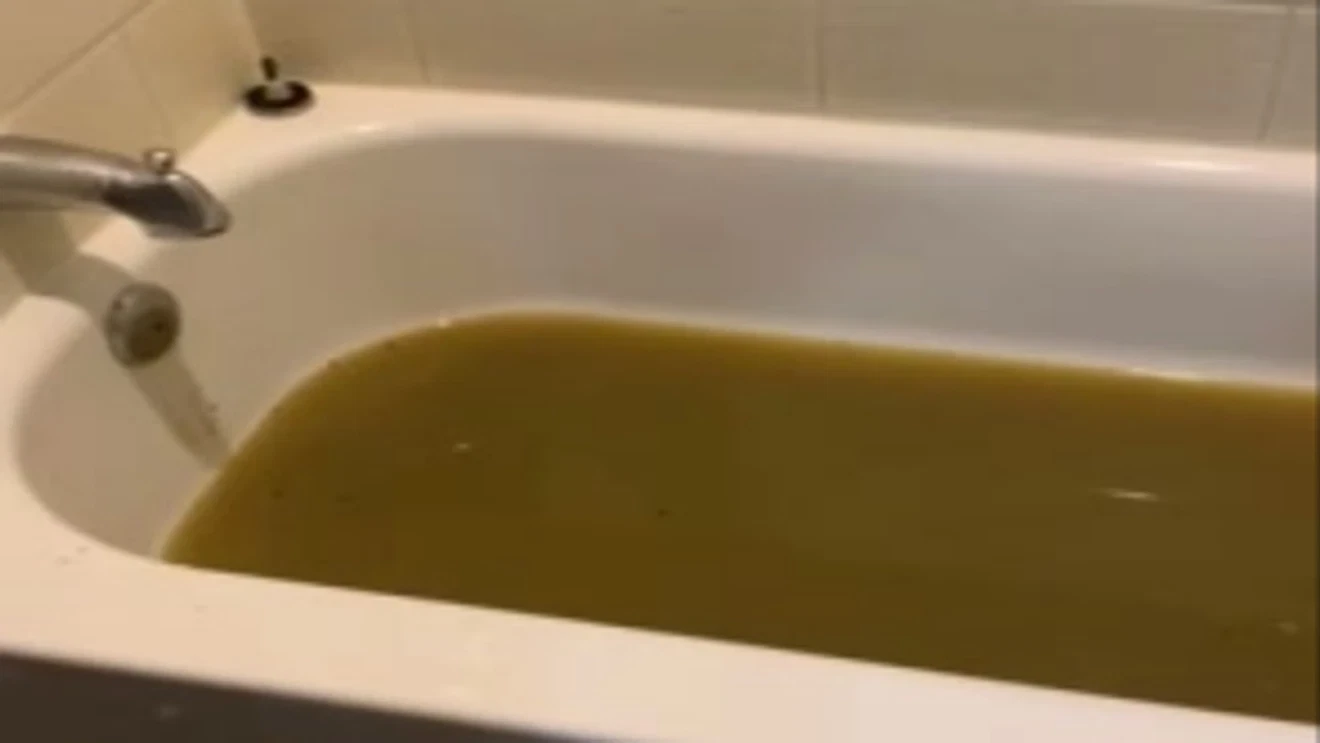
BALTIMORE (WBFF) — A Baltimore City Inspector General investigation found significant maintenance and living-condition problems at homeless shelters housed in former hotels, including mold, pest infestations, poor ventilation, water damage and plumbing problems.
The Office of the Inspector General (OIG) released its investigative report Wednesday after examining complaints about conditions at the former Sleep Inn, former Holiday Inn Express and former Fairfield Inn. The investigation began after a July 2025 complaint alleged problems with building conditions, food, laundry facilities, bedding and basic supplies, as well as mold, pests and inadequate ventilation.
Investigators conducted site visits, reviewed resident complaints and city records, and interviewed current and former employees of the Mayor’s Office of Homeless Services (MOHS) and contractors.
At the Sleep Inn, a July 2025 mold test found elevated levels of mold spores in three of six rooms tested, according to the report. Investigators also obtained photographs showing mushrooms growing in rooms and found a city work request concerning the mushroom growth.
Former MOHS employees described conditions at the shelters as “critical” and “horrific,” reporting bedbugs, mold, nonfunctioning elevators, and a lack of hot water. One former employee said residents were getting sick because of mold at the Sleep Inn, although the report presented that statement as an allegation rather than an independently established medical finding.
Investigators also found ventilation concerns during a September 2025 inspection of the Sleep Inn. Bathroom ventilation fans did not appear to be operating, and the laundry room was humid, with condensation building on a window. The OIG also found that what appeared to be the building’s main HVAC system was switched off.
At the Holiday Inn, investigators observed what appeared to be water damage in a vacant room and found humidity and bowed ceiling tiles in a laundry area.
The report also documented complaints about bedbugs, dirty or insufficient linens, and broken laundry facilities. At the Fairfield Inn, investigators observed bugs in a vacant room and what appeared to be black spotting inside an air-conditioning unit.
The investigation found that responsibility for maintaining the shelters was divided among multiple contractors and city agencies. The OIG said there had been disputes over which party was responsible for certain maintenance issues.
The report also raised concerns about city oversight. An MOHS employee told investigators that only two MOHS employees regularly visited the city’s 10 funded homeless shelters. A contractor representative said a dedicated city liaison could help address health and safety issues more quickly.
The OIG recommended that the city establish a comprehensive shelter oversight program, improve ventilation and moisture controls, clarify maintenance responsibilities, increase on-site MOHS support and strengthen management of city contractors and properties.
MOHS acknowledged the seriousness of the conditions identified in the investigation.
In a response dated Aug. 7, the agency said it had taken steps to address the problems since they were first reported in 2025. Those steps included conducting a secondary inspection with consultants, removing carpeting throughout the facility and seeking a new vendor to manage facilities at three city-funded shelters housed in former hotels.
MOHS said the new facilities-management agreement includes a comprehensive preventive-maintenance program covering HVAC, plumbing, electrical systems, roofing, elevators, fire systems, laundry, housekeeping, waste management and pest control.
The new system also requires maintenance requests to be submitted and tracked through MaintainX, with completed work documented through technician sign-offs, photographs and inspection records when applicable.
The plan establishes regular HVAC and environmental inspections and specific procedures for addressing mold, moisture and pest problems. It also calls for monthly pest-control services, enhanced bedbug monitoring, regular laundry maintenance and weekly linen exchanges.
MOHS said the new agreement establishes response standards for maintenance problems. Emergency conditions are to receive technician dispatch within two hours and an on-site response within four hours, while urgent problems are to receive an on-site response within 24 hours.
The inspector general’s report noted that the investigation’s review of correspondence was completed before the city removed the OIG’s direct access to records, files, and communications on Feb. 6, 2026.
The OIG said its public synopsis is a condensed version of a more comprehensive investigative report submitted to city management.
 Local Story