BALTIMORE (WBFF) — Two years after the catastrophic collapse of the Francis Scott Key Bridge, construction is underway in the Patapsco River. But as work continues, questions remain about the project’s growing cost, construction timeline and whether federal taxpayers will continue covering the bill.
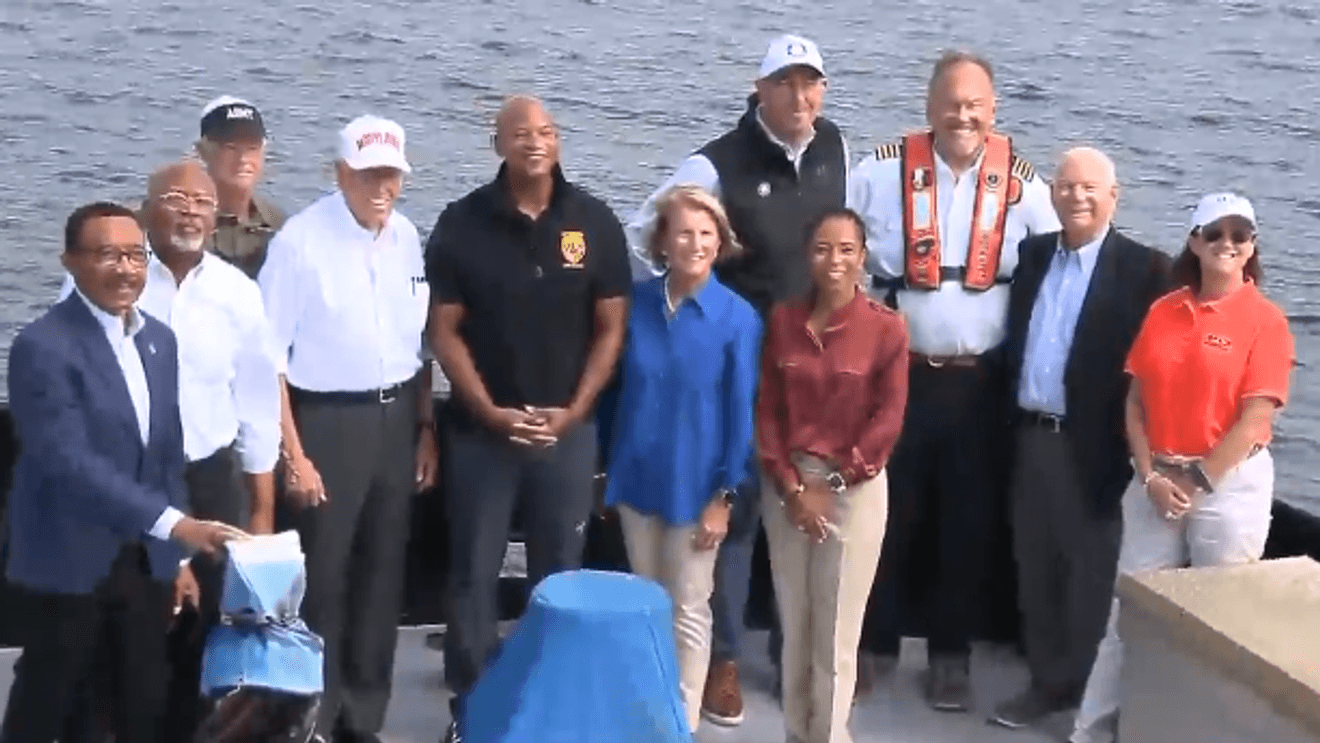
On Monday, Gov. Wes Moore led members of Maryland’s congressional delegation, along with the chairs of two key congressional committees, on a boat tour of the construction site. The visit was designed to showcase progress while reinforcing support in Washington for the federal funding needed to rebuild the bridge.
The estimated cost of the replacement bridge has grown significantly. Initial projections put the project at roughly $1.7 billion, but more recent estimates place the total at about $5.2 billion. Moore said much of the increase stems from new engineering and safety standards.
“If you look at the way that the bridge was built before, back in 1977, those type of classifications would not pass muster in terms of the size of the boats and size of cargo,” Moore said during the boat tour, per pooled video.
The state has also changed course on how it plans to rebuild the bridge. Rather than moving forward with Kiewit Corporation, Maryland is now dividing the project into four separate construction contracts. None of those contracts have been awarded.
The escalating price tag has drawn scrutiny from state lawmakers.
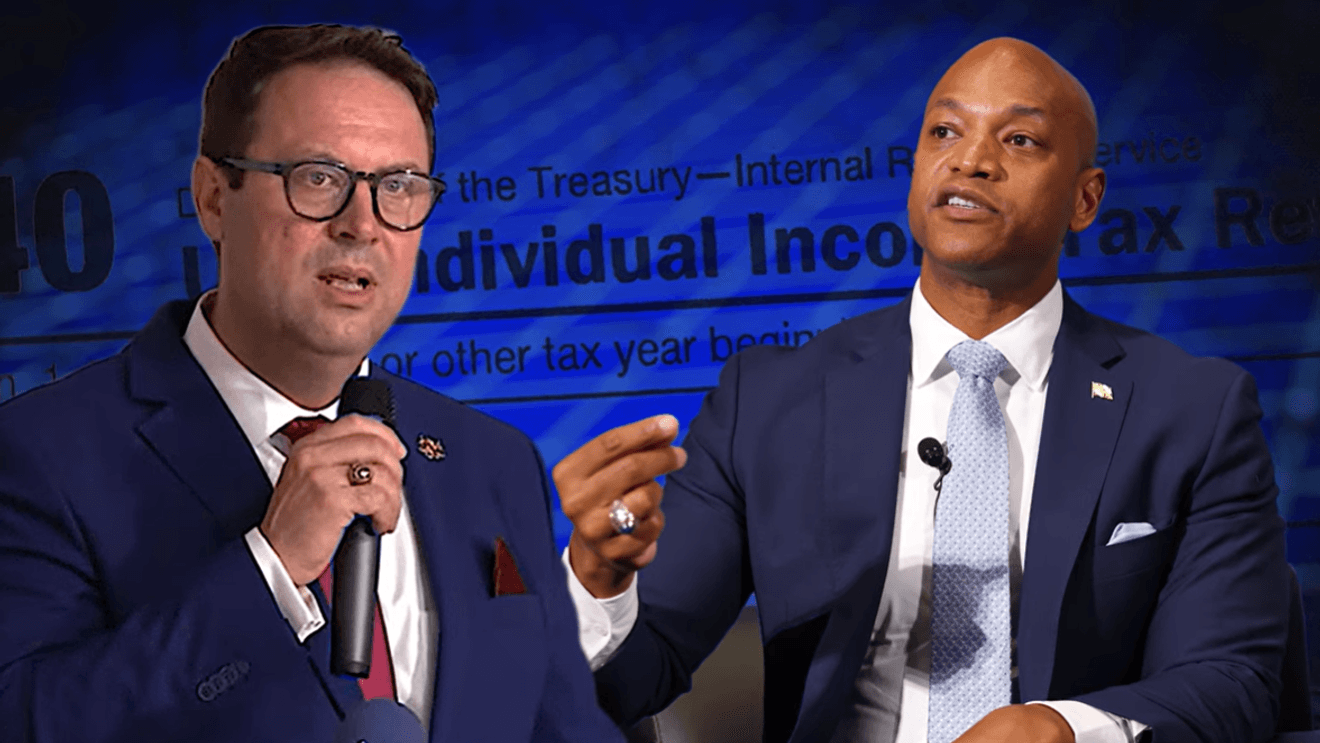
During a June legislative hearing, Del. Ryan Nawrocki questioned transportation officials about whether the project’s cost could continue climbing and whether Maryland taxpayers could ultimately be responsible for some of the expense.
“Are we a $5 billion project, are we a $7 billion project, is it a $9 billion project?” Nawrocki asked. “If we go to some of those higher numbers, is the federal government going to fully fund this project or could there be some responsibility on the Maryland taxpayer to fund this in some way?”
Maryland Department of Transportation Secretary Katie Thomson said the state maintains the estimate around the $5 billion range.
Congressman Johnny Olszewski, who joined Monday’s tour, said protecting Maryland taxpayers by preserving the federal cost share remains one of his top priorities.
“Maintaining those relationships and underlining the importance of keeping that federal cost share in place to benefit Maryland taxpayers and Baltimore taxpayers is really important to me,” Olszewski said.
While he called it “highly unlikely” Congress would change the law governing the funding agreement, he acknowledged it remains possible.
Olszewski also said the public deserves clearer explanations about the project’s increasing cost and lengthy timeline.
“I’ll say they’re fair questions and that the state should do as good a job as possible of communicating what is driving those cost escalations,” he said.
Asked whether the state has adequately explained those issues, Olszewski said he thinks “there are good answers out there, but there are opportunities to improve that communication with the public.”
He said he is encouraging Maryland officials to create a public dashboard so residents can track the project’s progress, costs and milestones.
The tour also included Sen. Shelley Moore Capito, R-West Virginia, chair of the Senate Environment and Public Works Committee, who said she will continue working with Moore and the Trump administration’s Department of Transportation “to ensure that congressional funding is used effectively to reopen this critical pathway.”
Rep. Steve Womack, R-Arkansas, also participated in the tour, saying, “Proper oversight of the American taxpayer dollars…is a responsibility I do not take lightly.”
Wornack, who chairs the House Housing and Urban Development Subcommittee, pointed to the bridge’s economic impact as well, and said he too is committed to working with all parties “to ensure this project receives the necessary resources for a safe and efficient rebuild that will prevent a future catastrophe.”
“This bridge is a vital artery for the movement of people and goods, and its success unlocks the full potential of commerce along our Eastern seaboard,” he said.
The latest projections estimate the replacement Key Bridge will open by the end of 2030, that could change depending on timing of contracts getting issued.
Maryland’s Sen. Angela Alsobrooks, Reps. Kweisi Mfume, Glenn Ivey, Steny Hoyer, and former U.S. Sen. Ben Cardin also participated in the boat tour.
Follow Political Reporter Mikenzie Frost on X and Facebook. Send tips to mbfrost@sbgtv.com.
 Local Story