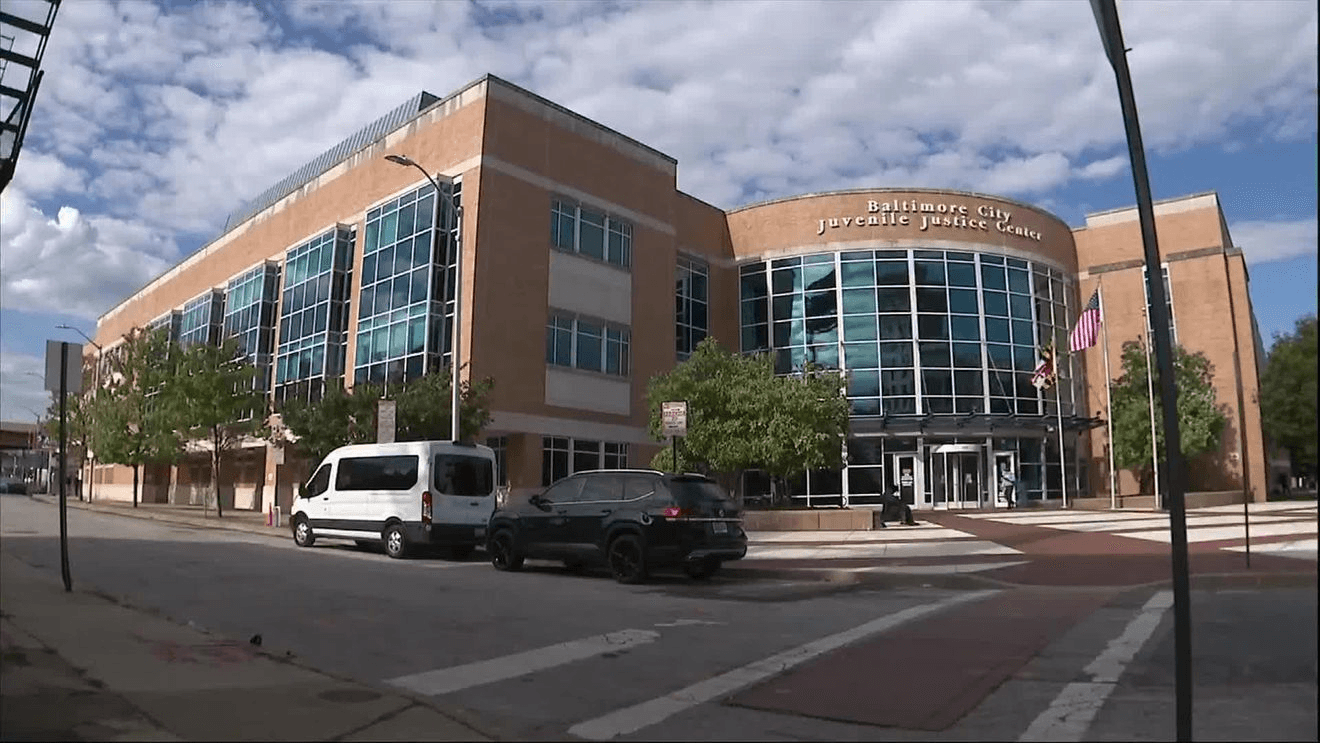
(WBFF) — Maryland lawmakers are bracing for a showdown in Annapolis after a newly appointed commission recommended significant changes to how violent juvenile offenders are charged.
Currently, juveniles accused of serious crimes such as murder, attempted murder, carjacking, and rape are automatically sent to adult court. However, the commission suggested these cases should initially be handled in juvenile court, where a judge would decide if they should be transferred to adult court.
ALSO READ | Bates says information sharing dispute with MONSE will likely be ‘headed to court’
The commission’s report highlighted that the existing practice disproportionately affects children of color and often places them in dangerous environments. It states that 85% of these cases are either dismissed or returned to juvenile court.
Critics, however, argued that the commission’s recommendations overlook the victims, who are often also people of color. “I think what they’re failing to see is these young adults aren’t children. They’re sophisticated offenders and often not the first contact with the justice system,” Frederick County State’s Attorney Charlie Smith said.
Delegate Sandra Bartlett, chair of Maryland’s House Judiciary Committee, is preparing to introduce a measure addressing the automatic charging of violent juveniles. Although details are not yet confirmed, Sen. Will Smith pledged to address the issue in the upcoming legislative session.
Delegate Ryan Nawrocki expressed skepticism about the commission’s neutrality, stating, “Unfortunately oftentimes in Annapolis, these commissions are often sham commissions.” He added, “If you put a commission together who are only of a mindset to not charge juveniles as adults then that is the result you’re going to get back from those type of commissions.”
BE THE FIRST TO COMMENT
The 26-member commission which recommended the change consisted largely of lawmakers and advocacy group members.

 Local Story