WASHINGTON (7News) — After more than 240 gallons of raw sewage clouded the Potomac River, residents will have more clarity in the next week on the next steps being taken by DC Water regarding the cleanup and the collapsed pipeline.
It has been more than a month since a major sewage pipeline collapsed, sending the sewage into the river.
However, there have been no new spills in two weeks, after crews installed a pump system to divert the sewage away from the Potomac River and into the C&O Canal instead.
During a briefing on Friday, DC Water officials and other city leaders provided an update on what happened and the steps being taken now.
“We inspect our sewers regularly. This is a section of pipe that was targeted for rehabilitation. Procurement is underway. We were not able to get to it before the break occurred,” DC Water Chief Operating Officer and Executive Vice President Matt Brown said during Friday’s briefing.
In the days and weeks after the spill, DC Water and researchers at the University of Maryland have collected samples from the Potomac River.
Those samples have revealed dangerous levels of E. coli in the river. However, those levels have been dropping in recent days.
“There are very high readings near the drainage channel. There will continue to be high readings there until we can do the environmental remediation in that area,” Brown said.
Since those readings, health officials in D.C., Maryland, and Virginia have issued advisories for people and pets to avoid contact with the Potomac.
Here is a timeline of events since the pipeline collapse:
D.C. Mayor Muriel Bowser requested federal assistance soon after President Donald Trump and other White House officials made clear this was a step that needed to happen if the federal government were to help.
“The federal government has been preparing plans. The White House has been in contact with FEMA, with the Army Corps of Engineers, with the Environmental Protection Agency. We’ve been standing by. This is a problem we want to fix,” said White House Press Secretary Karoline Leavitt. “It will be an ecological and environmental disaster if the federal government does not step in to help, but of course, we need the state and local jurisdictions to make that formal request. That’s part of the legal process to move forward.”
Days later, President Trump approved the federal assistance, tapping FEMA as the agency in charge of disaster relief.
The District’s request primarily focuses on federal funds to reimburse DC Water for the repairs, estimated to cost $20 million.
“We expect 100 % reimbursement. That’s why I agreed to do it,” Mayor Bowser said Friday. “If the question is how can we not have aging infrastructure fail, I think part of our discussion with the federal government is exactly that. What role can the federal government play, especially in infrastructure like this?”
The public will now get the chance to get more updates from city leaders.
On Monday, DC Water and other local leaders with the Metropolitan Washington Council of Governments will host a virtual briefing.
DC Water will hold public meetings on February 25 and 26 to provide updates on its repair efforts.
The Feb. 25 meeting is at DC Water, 1385 Canal St., SE, starting at 7 p.m. The Feb. 26 meeting is at Walt Whitman High School’s cafeteria, 7100 Whittier Blvd., in Bethesda, Md., starting at 7 p.m.
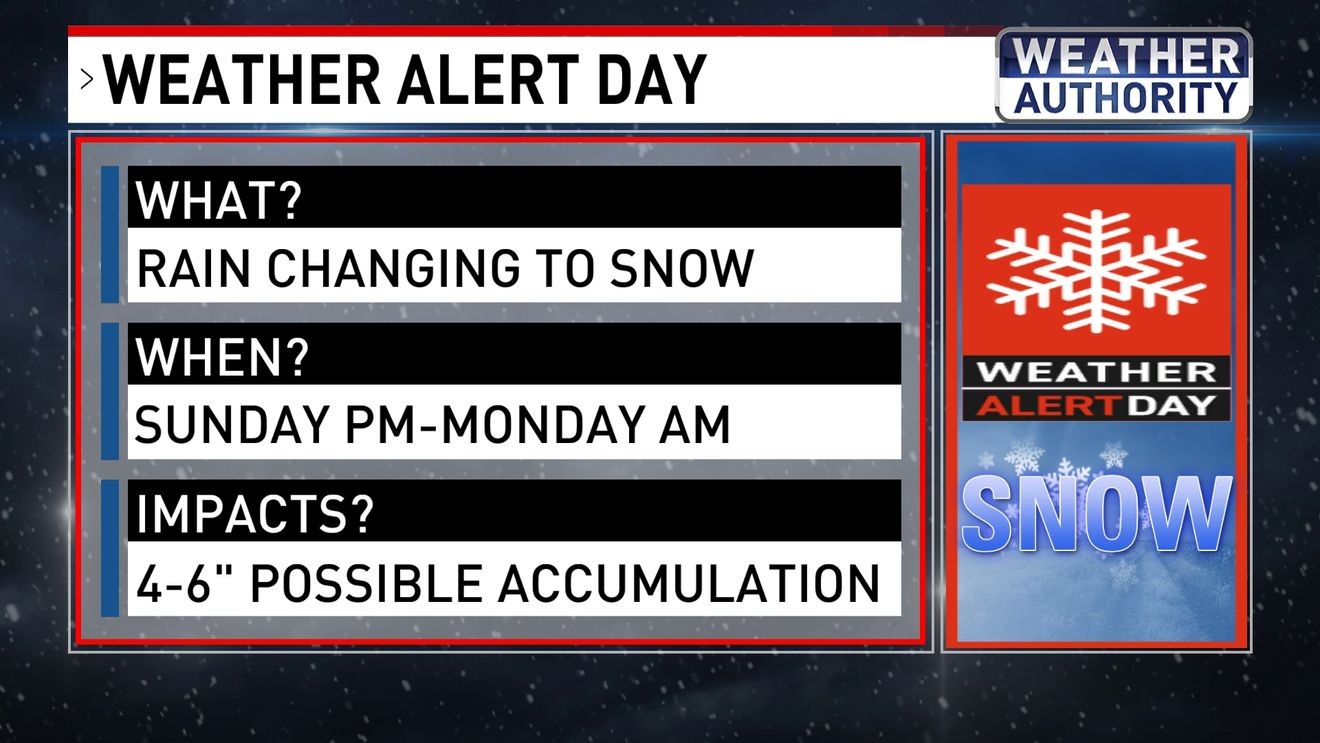
In the meantime, all eyes are on the wet weather affecting the area, which could affect E. coli levels in the Potomac River.
“If we get rain that increases the flow of the river, you might see that improve some ways, but it also causes storm water runoff,” said DC Health Director Dr. Ayanna Bennett. ” We normally see E. coli in pet waste and other garbage that causes storm water to be able to carry E. coli into the river.”

 Local Story