BALTIMORE (WBFF) — Just days into April, Baltimore Police announced a pair of arrests involving repeat juvenile offenders.
BPD announced the arrest of a 14-year-old after they said she led officers on a pursuit from behind the wheel of a stolen car in west Baltimore.
The juvenile, they said, struck an officer’s cruiser at least twice while trying to elude law enforcement.
ALSO READ | More questions for DJS after police say 14-year-old repeat offender released on monitoring
Once taken into custody officers revealed a lengthy history with previous arrests for stolen auto, robbery and aggravated assault.
BPD also recently announced the arrest of another 14-year-old on an open warrant for failure to appear, in reference to a robbery from 2025.
Baltimore Police reported the juvenile was released on home monitoring despite having at least 10 prior arrests for crimes that included theft, robbery and assault.
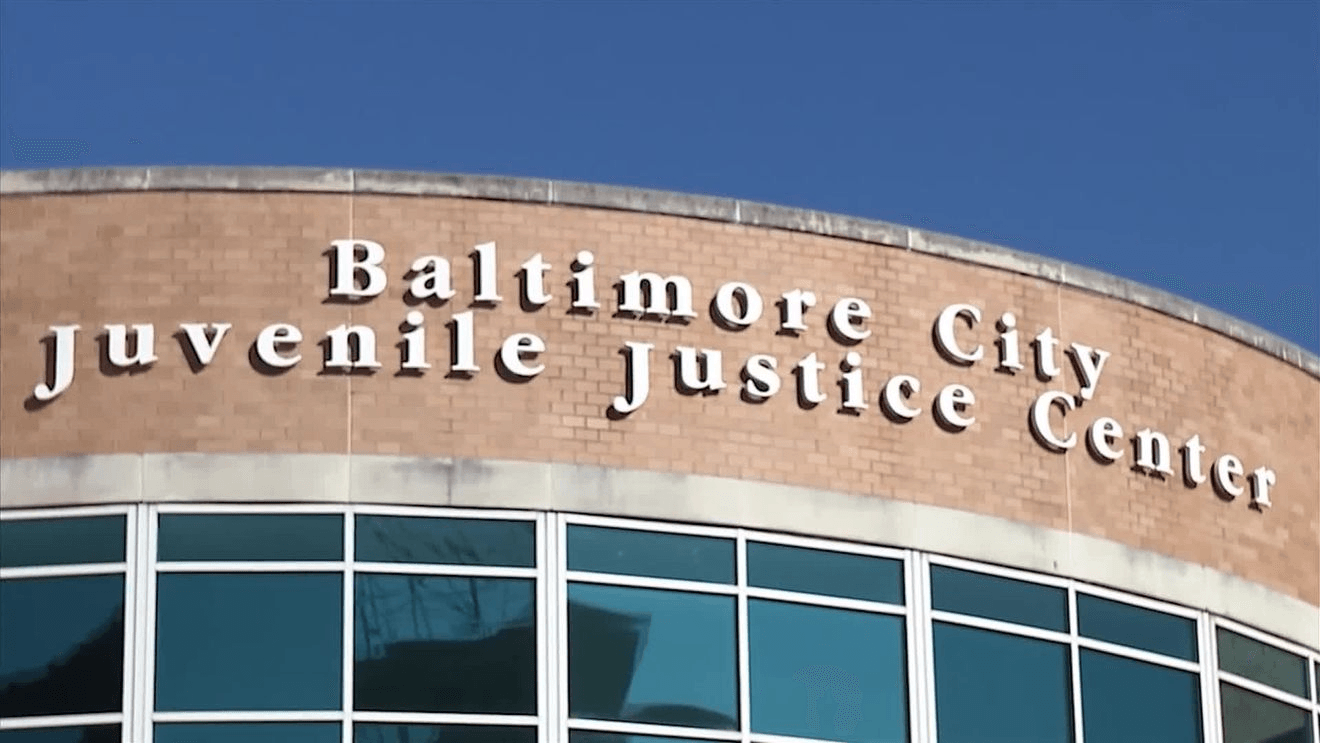
DJS refused to comment on questions regarding individual cases, citing confidentiality laws.
ALSO READ | City leaders silent as police brace for more volatile teen link-ups this spring
FOX 45 News sent the following questions,
A spokesperson wrote,
BE THE FIRST TO COMMENT
“When the police request detention of a child, they contact a DJS intake officer. The intake officer makes the initial detention decision until the court can review it the next day. DJS is required by law to use the Detention Risk Assessment Instrument (DRAI), which evaluates and weighs the child’s threat to public safety and the likelihood they will show up for their court hearing. When a youth is charged with a crime of violence or handgun violation, or is rearrested while on electronic monitoring for any new offense, DJS policy mandates the initial decision of detention. The court reviews all detention and community detention cases the next day, considers the risk assessment, and makes the final decision on continued detention.”
 Local Story