Retire Smart Maryland Radio
12:00 pm - 1:00 pm

WASHINGTON (TNND) — Several states across the country are tightening laws aimed at addressing squatting, as lawmakers respond to growing frustration from homeowners who say existing legal systems often make it difficult to quickly remove unauthorized occupants.
In Maryland, Governor Wes Moore recently signed two anti-squatting bills into law following years of complaints from homeowners who said they struggled to regain access to their properties. According to WBFF, the legislation targets alleged online squatting schemes and makes the manufacturing or possession of fraudulent lease documents a felony.
One of the biggest challenges for law enforcement is determining whether a case involves criminal trespassing or a civil housing dispute. If someone presents what appears to be a lease agreement, even if the homeowner claims it is fraudulent, officers are often hesitant to remove occupants immediately without a court order.
That issue has prompted several states to specifically target fake property documents.
In Florida, lawmakers passed House Bill 621 in 2024. According to the Florida Senate, the law allows property owners to request assistance from sheriffs to remove unauthorized occupants under certain conditions, including situations where a person unlawfully entered a property, was told to leave, and is not involved in an active landlord-tenant dispute.
The Florida Senate states the law also created penalties for presenting false lease documents and for unlawfully occupying a residential property while causing at least $1,000 in damage.
Meanwhile, Texas recently approved additional anti-squatting measures. According to the Office of the Governor of Texas, Governor Greg Abbott signed Senate Bill 38 and Senate Bill 1333, which state officials said were designed to close loopholes, speed up parts of the eviction process, and create a clearer pathway for removing unauthorized occupants from private property.
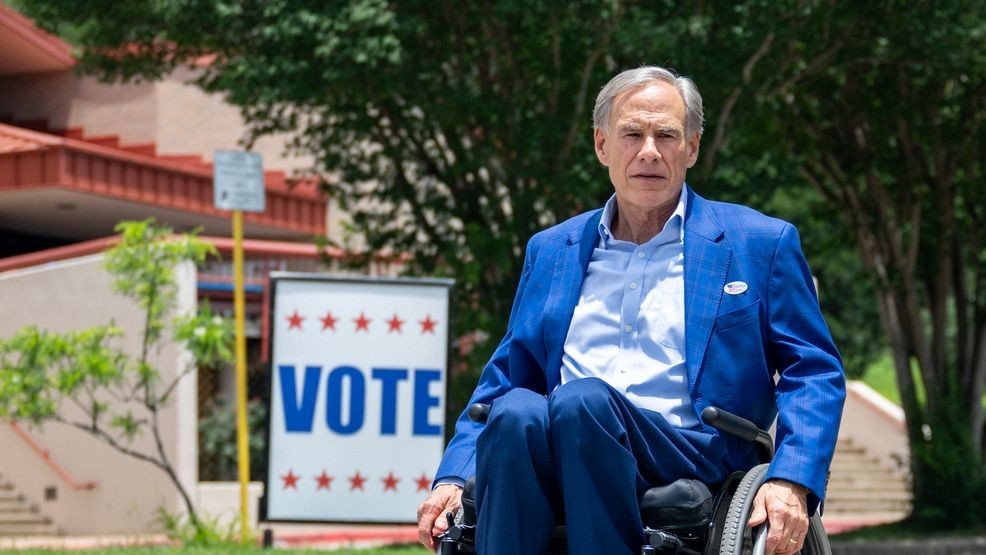
AUSTIN, TEXAS – MAY 18: Texas Gov. Greg Abbott prepares to attend a news conference after casting his vote during early voting of the primary runoff at the Austin Recreation Center on May 18, 2026 in Austin, Texas. Sen. John Cornyn and Texas Attorney General Ken Paxton are set to face each other during the 2026 Texas Republican primary runoff. (Photo by Brandon Bell/Getty Images)
The movement is gaining traction nationally. According to the National Apartment Association, at least 30 states considered anti-squatter legislation during the first half of 2025, and 13 states had already enacted new or expanded laws.
Some states with historically stronger tenant protections are also revisiting their laws.
In New York, lawmakers announced in 2024 that the state budget included language formally defining the term “squatter” in housing law. According to the New York State Senate, the change followed reports of people taking over private property.
The New York State Senate also highlighted a proposed 2025 bill that would go further by excluding squatters from certain tenant protections, extending the timeline before some occupancy protections take effect from 30 to 60 days, and adding squatting to criminal trespass laws.
Supporters of the new laws argue the changes protect homeowners from lengthy and expensive legal battles. Critics, however, warn that legislation must be carefully written to avoid legitimate tenants being mistakenly treated as squatters
 Local Story