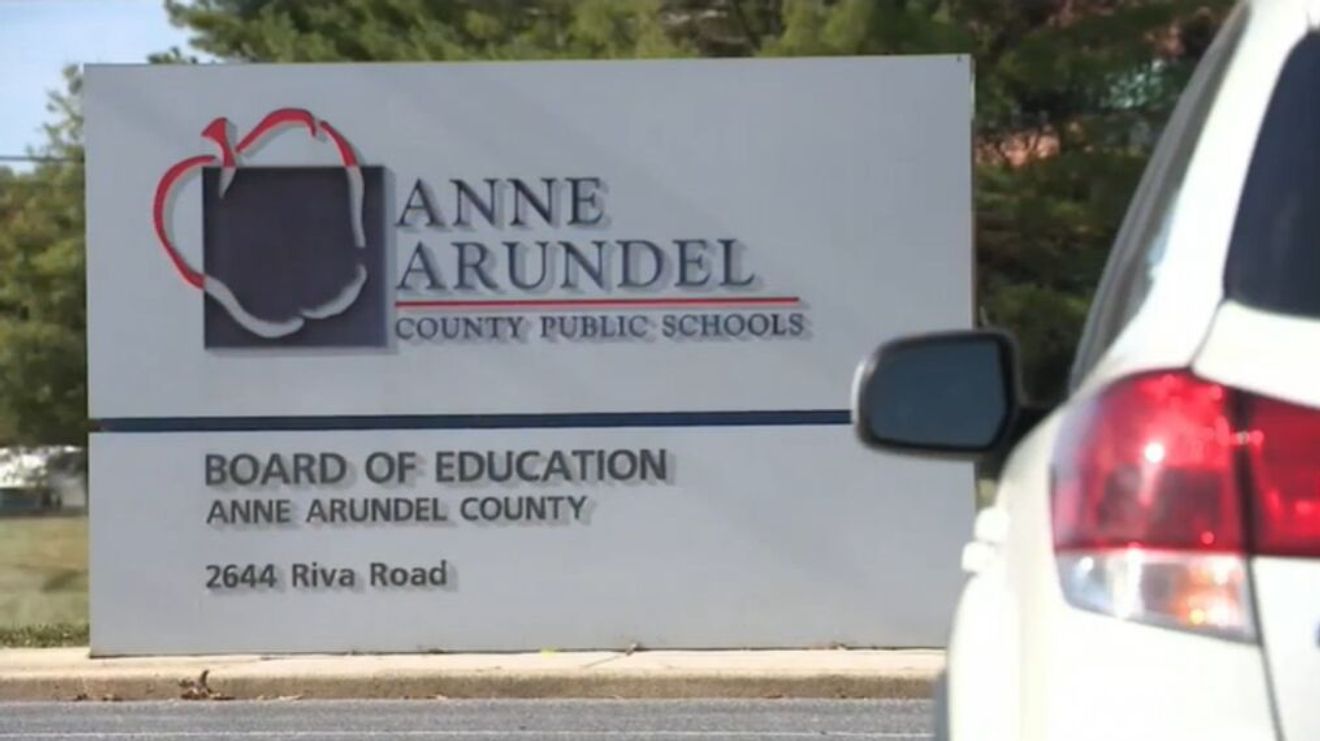

ANNE ARUNDEL COUNTY, Md. (WBFF) — Starting with freshmen in the 2016-27 school year, all Anne Arundel County Public Schools (AACPS) students will be required to earn one-half credit in financial literacy in order to graduate, AACPS Superintendent Dr. Mark Bedell announced Wednesday during the Board of Education (BOE) meeting.
On Dec. 17, the Board continued to discuss altering Policy IIC, Graduation Requirements. Making the class a graduation requirement is part of Administrative Regulation IIC-RA, which is under the superintendent’s purview.
ALSO READ | Next year’s school calendar for Anne Arundel County Public Schools adopted by BOE
“There is no question that the need to produce students who are financially literate is real,” Dr. Bedell said, via a press release. Adults who are not financially literate cannot lead the global economy into which our students will enter.”
Adults who are not financially literate cannot lead the global economy into which our students will enter.”
BOE isn’t making substantive changes to Policy IIC, but school officials said the board is discussing the subject at three public meetings like other policy changes to ensure transparency, and because Dr. Bedell is proposing to decrease the number of overall credits required to graduate from 26 to 23. The change has the goal of opening additional opportunities for students and creating schedule flexibility to take advantage of those opportunities.
Currently, AACPS said it requires significantly more credits to graduate than other school districts. The State of Maryland requires 22 credits in order to graduate.
“This is not about expecting less from our students,” Dr. Bedell said, via a press release. “This is about opening opportunities for them. The 23 credits is a floor, and other districts with similar requirements see many of their students surpassing the minimum.”
During Wednesday’s meeting, Chief Administrative Officer Christina Catalano told the BOE that AACPS has one course that currently meets the Maryland State Department of Education’s financial literacy standards. At this time, the academics team is looking over other courses to see if they can be adapted to meet the standards, which would expand the number of pathways students could use to meet the graduation requirement.
Catalano said the financial literacy courses would focus on areas like budget planning, bank accounts, checking, savings, credit cards, maintaining and establishing credit, student loans and the accrual of interest.
“These are basic things that we need students to understand as they leave our care and enter college or the workforce,” Dr. Bedell said, via a press release.
The BOE is accepting public comment on the financial literacy change before its Jan. 14, 2026 meeting. Comments can be emailed to policycomments@AACPS.org.

 Local Story