MARYLAND (WBFF) — In an effort to protect ratepayers and lower energy costs, Governor Wes Moore and other state lawmakers are calling for reforms at PJM, the regional transmission organization responsible for managing the grid in the region. PJM manages the grid for 13 states and the District of Columbia.
“The PJM board must protect the public from these increased costs and reliability risks,” Maryland Senator Katie Fry Hester said.
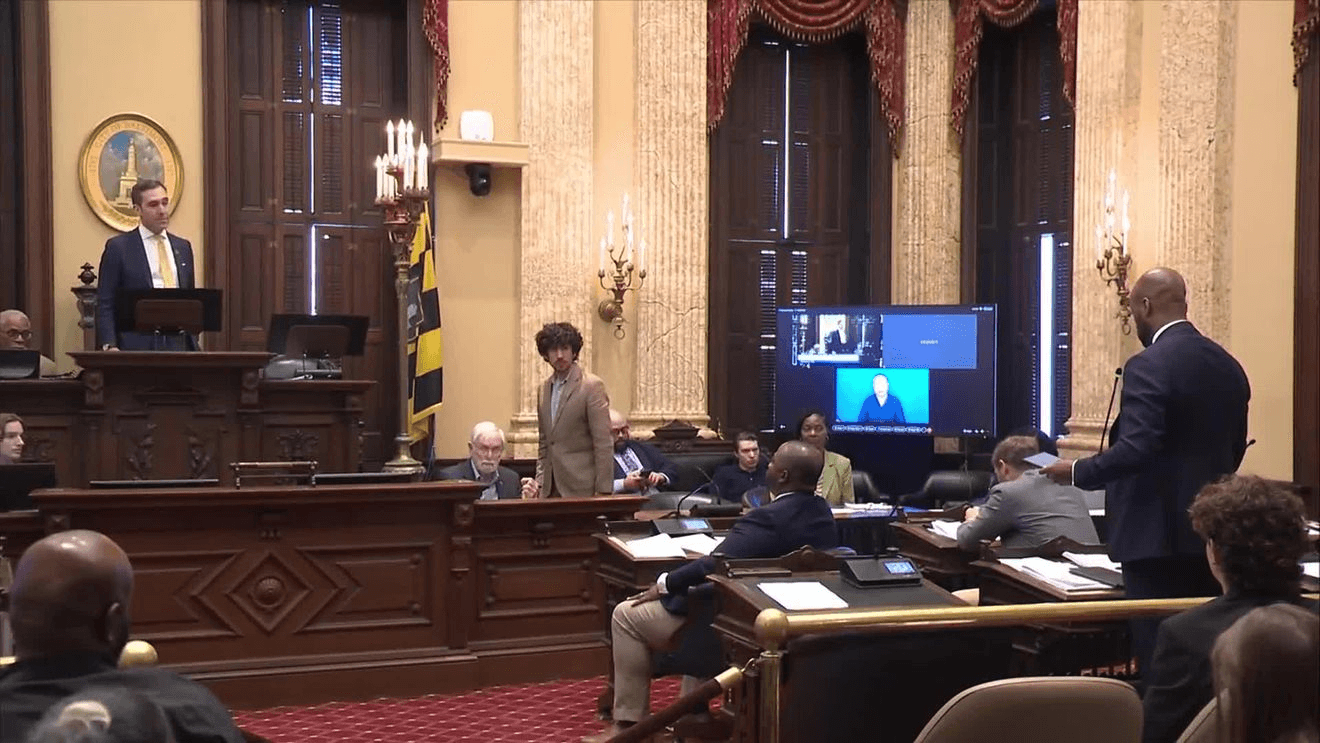
With PJM’s annual meeting being held in downtown Baltimore, advocates and state lawmakers from Maryland, Pennsylvania and New Jersey rallied outside of the Baltimore Marriott where the meeting is being held. Inside the meeting, Governor Wes Moore delivered the opening speech, using it as an opportunity to address concerns around energy affordability, especially as data centers drive a significant amount of the demand.
“There’s no clear plan by PJM to address both affordability and reliability, and if PJM cannot step up, then states like Maryland will continue to do what we can to protect our people. And the challenge is every other state is going to do the same, and that coordination that is necessary will not be there,” Governor Wes Moore said.
ALSO READ | More Maryland residents are moving to Delaware for lower costs, tax relief
Expressing the need for a greater partnership with PJM, Governor Moore is asking officials to provide 15-year price certainty to ensure the cost of new energy resources is allocated to those driving the need. He wants PJM to require that companies, like data centers, who are greatly contributing to the surge in electric demand pay for the costs of building new infrastructure, rather than passing those costs to households and small businesses. Governor Moore also said PJM needs to move faster to approve new, affordable energy resources.
“This is a long term contracting tool, and we need for PJM to step up to enact it. It would ensure the cost of new energy resources are allocated to those driving the need. It is the most operationally significant commitment in that statement, and it’s also a test of whether or not PJM can deliver under pressure and can deliver in partnership,” Governor Moore continued to say.
In a statement, a spokesperson from PJM said, “PJM recognizes the pressure many families and businesses are feeling about rising electricity costs across the region. This is a generational challenge that no one organization, state or industry can solve alone. It will take coordination across policymakers, grid operators, utilities, generators, and large energy users to help evolve the grid at the speed and scale this moment demands. PJM is working with relentless focus to accelerate the connection of new generation while preparing the system to support growing demand, evolving technologies, and the needs of the 67 million people we serve.”
Lawmakers also argued that PJM policies were delaying lower-cost clean energy projects while keeping more expensive power sources online, which they said has contributed to higher energy bills and revenues for some of PJM’s members. They called on PJM to add more clean energy projects to the grid.
“There’s 450 some members who are voting members of PJM. 80% of them have a financial stake in the outcome. That’s why the prices keep going up,” Sen. Hester said.
ALSO READ | Maryland electric bills to rise this summer as PJM faces data center strain
“I’ll just say broadly, what we’re asking for from PJM, as we drill down into each of these areas, is not just to give the lip service towards affordable energy, not just to give the lip service towards data centers paying their own fair share, but actually to build rules that allow affordable, clean, energy to come online because in the long term that is going to be best for ratepayers,” Delegate Lorig Charkoudian said.
At the end of April, PJM announced that 811 new generation projects have applied, which if approved could generate 220 gigawatts of electricity. 349 are storage projects, 157 are natural gas, 142 are solar, 65 are wind, 45 are solar-storage hybrids, 27 are nuclear and 11 are hydro, in addition to a few other projects.
“I think we’re cautiously optimistic, at least we have an open queue, right? The queue has been closed for so long. At least now we have open queue and we’ll wait to see how it ends up playing out,” Charkoudian said.
“PJM’s interconnection process is working, and we have processed thousands of megawatts of renewable projects. The challenge for the projects that aren’t getting built include factors beyond PJM’s control including permitting and siting hurdles, financing, and supply chain backlogs. We have approved 53 GW of mostly renewable generation, including 1.6 GW of projects in Maryland, that have agreements and could build today,” PJM’s statement continued to say.
 Local Story