MARYLAND (WBFF) — Maryland leaders are launching a task force to boost the state’s role in the national and global maritime industry.
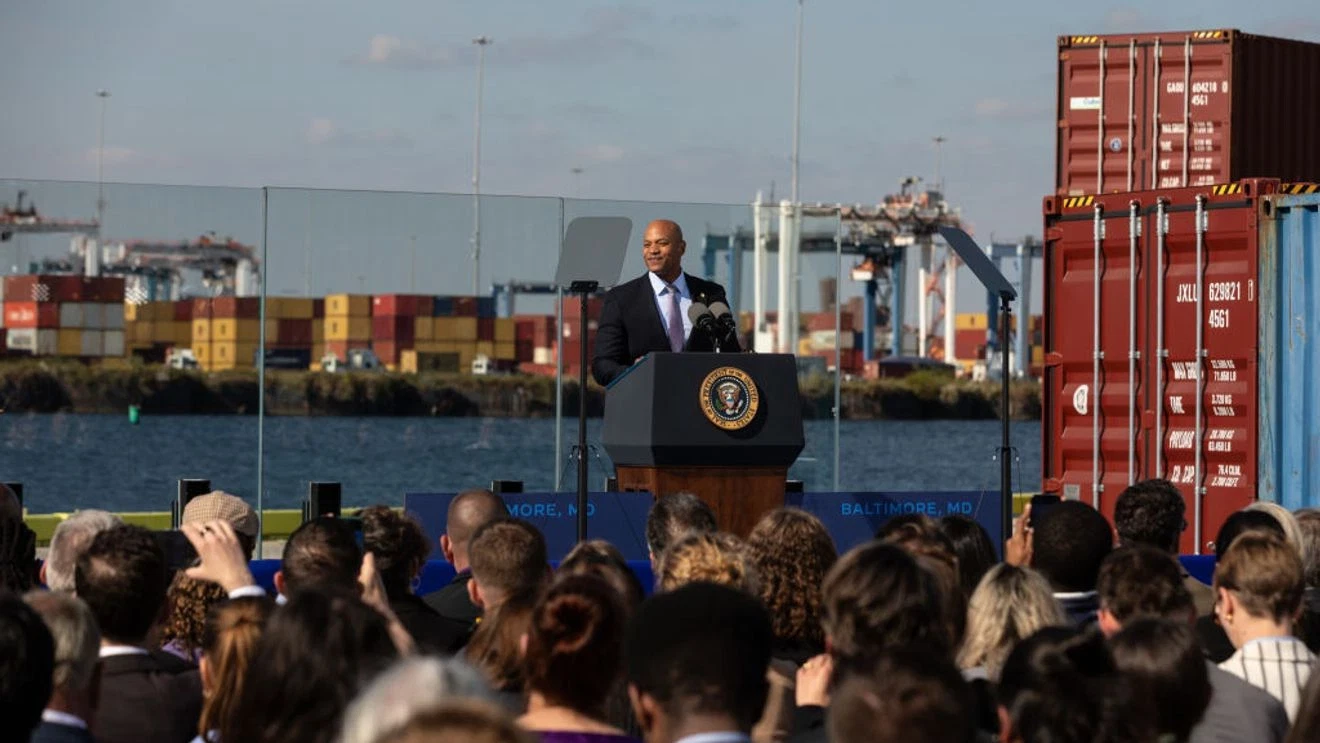
Gov. Wes Moore has signed an executive order creating the Maryland Maritime Task Force to identify and pursue new opportunities for growth in the maritime sector. The group will coordinate among state agencies and local businesses with the goal of driving economic development, strengthening the workforce and expanding Maryland’s maritime capabilities.
“Maryland’s infrastructure is perfectly suited to lead the nation’s maritime industry, from building in-demand ships to creating positions for welders, mechanics and engineers,” Gov. Moore said. “This task force will help us capitalize on future opportunities to make our state’s economy more competitive through maritime projects that build more pathways to work, wages and wealth for Marylanders.”
The executive order directs the task force to:
The task force will be co-chaired by Rep. Sarah Elfreth and Maryland Department of Commerce Secretary Harry Coker, Jr. Elfreth said, “It’s time for Maryland to lead our country’s maritime industry once again. Maryland is uniquely positioned with the location, infrastructure, industrial base and workforce demand to become a leader today. We will be taking inspiration from what once was – back to the Baltimore clippers and the hundreds of Liberty ships built during World War II – to build a bright and successful future for Maryland’s maritime industry,” she said. Elfreth also thanked Gov. Moore for “his leadership in convening the Maryland Maritime Task Force to expand on this work and steer the future of the Port of Baltimore and our maritime industry at this critical juncture.”
Coker said, “Maryland’s maritime heritage is woven into America’s story—from Kent County’s Captain Lambert Wickes who carried Benjamin Franklin to France, to Frederick Douglass who worked in Baltimore’s shipyards while enslaved, to generations of leaders educated at the United States Naval Academy. This task force will build on that enduring maritime tradition to attract investment, advance innovation and expand pathways into skilled, well-paying careers while strengthening our economy and our nation’s security.”
The task force will include representatives from multiple state departments, the Port of Baltimore, maritime research and training organizations, labor unions or trade associations and may partner with federal agencies including the U.S. Navy, Coast Guard, Army Corps of Engineers and subject matter experts.
Maryland Department of Transportation Secretary Katie Thomson said, “The Port of Baltimore is one of the economic engines of Maryland and the heart of our maritime economy – and we need to ensure we maximize the benefits of this unique asset.” She highlighted that “in 2025, the Port of Baltimore handled the most containers ever, the most ship calls ever and more farm and construction machinery and forest products than any other U.S. port. We were proud that the Port began handling double-stacked containers on rail earlier this year following the completion of the $495 million Howard Street Tunnel Project; the new capacity will exponentially grow the Port’s business and create thousands of new jobs. We fully support Governor Moore’s effort to double down on the growth of the Port and our entire maritime economy.”
Secretary Josh Kurtz of the Department of Natural Resources said, “Every year, Maryland’s boating and fishing industries generate more than $700 million in added value to the state’s economy and represent the largest sector of the state’s approximately $10 billion outdoor recreation economy. These industries draw tourists from around the world who discover the wonderful experiences our residents get to frequently enjoy on the beautiful Chesapeake Bay and the tidal rivers that connect our scenic landscapes. We look forward to working with our partners throughout the state to expand the state’s vibrant maritime economy through the development of Maritime Enterprise Zones.”
Maritime industries bring in more than $10.2 billion a year to Maryland’s economy and support 115,000 jobs through fields like marine transportation, shipbuilding, defense, research, shipping and recreation. Recent investments include $3.7 billion from Anduril Industries for a shipyard project in Baltimore County slated to support up to 14,000 jobs and a $1.5 billion Coast Guard upgrade at Curtis Bay.
Maryland’s leadership in maritime is tied to the Port of Baltimore, research and training sites like the Seafarers Harry Lundeberg School of Seamanship and Maritime Institute of Technology and Graduate Studies and major federal facilities in Montgomery County and Baltimore.
The launch of the Maryland Maritime Task Force marks a new chapter aimed at building on the state’s maritime strengths and fostering future growth.
This post was originally published on Fox 45 by Sinclair Media Group.
 Local Story