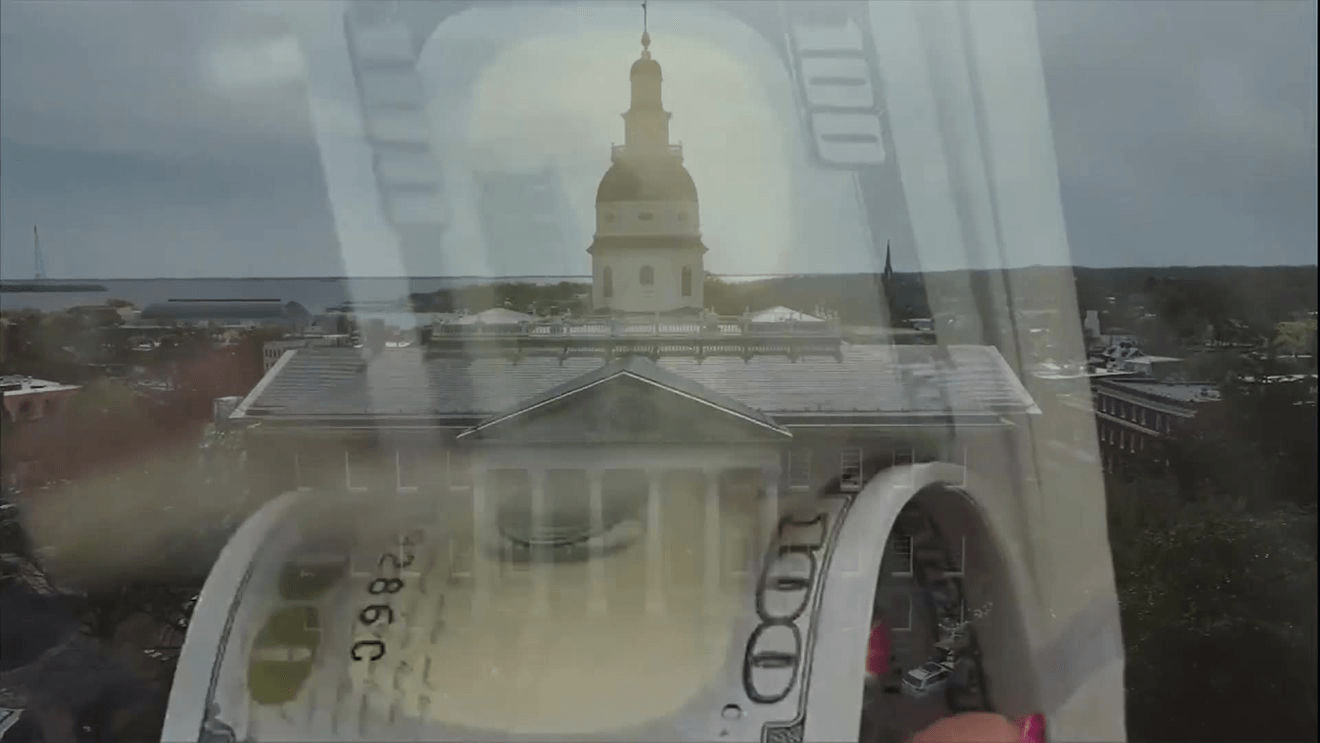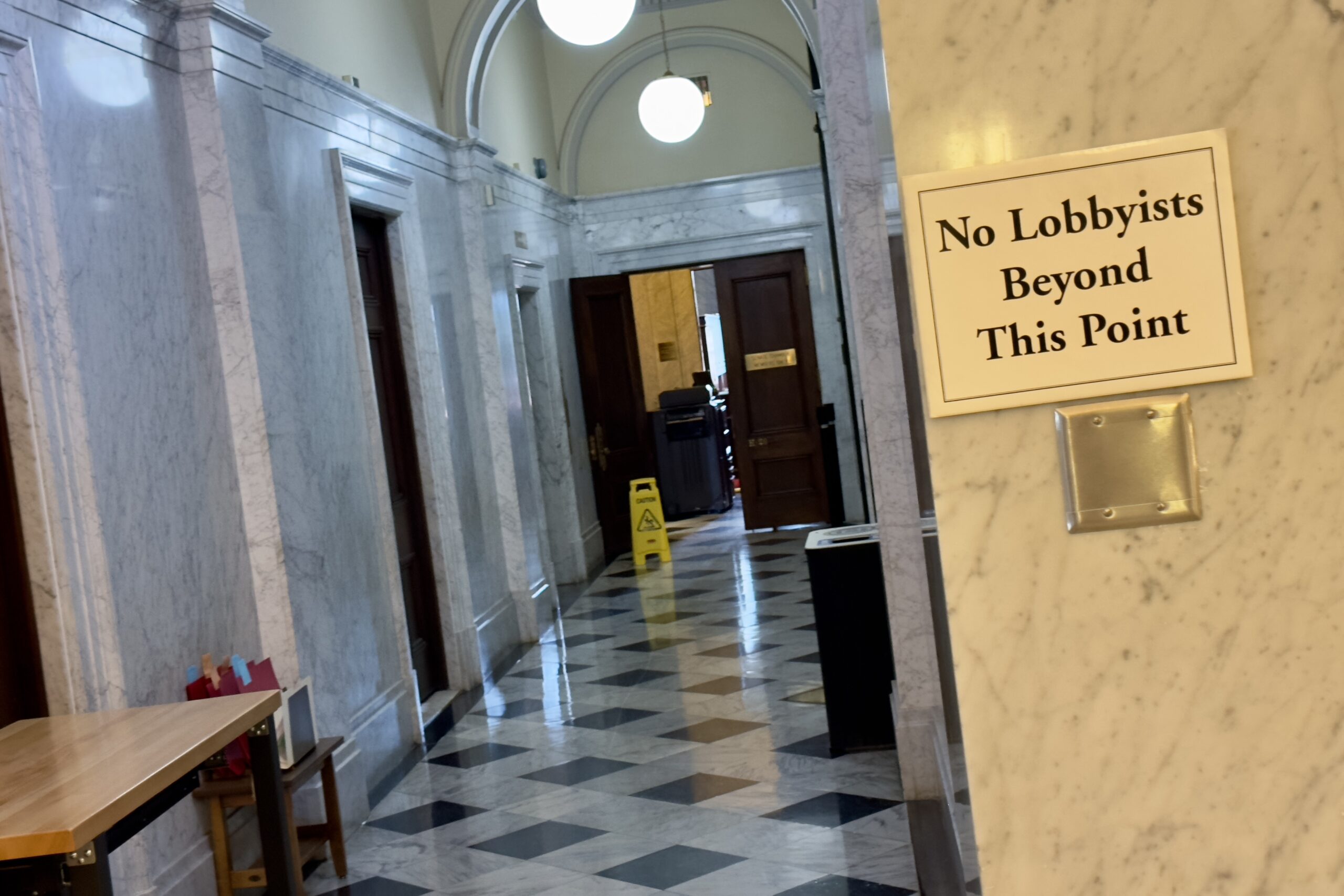
Maryland’s General Assembly convened its 2025 session Wednesday amid growing concerns over the increasing influence of lobbyists, with spending reaching $86 million in 2024 – a 28.4% increase since 2021.
Mollie Woods, an attorney with the Maryland Office of the People’s Counsel, expressed concern about the outsized role of special interest groups in the legislative process. “Lobbying has impacts on all aspects of legislation, from what actually is proposed as a bill to what happens to a given bill, to how a bill is implemented,” Woods said.
Analysis shows that over 91% of lobbying expenditures went toward compensating advocates for special interest groups, while more than $2.5 million was spent on special event tickets, gifts, and event sponsorships for policymakers.
Constellation Energy emerged as the top spender in 2024, investing $903,161 in legislative and regulatory advocacy. Energy companies featured prominently among top spenders, with three firms collectively spending over $2 million on lobbying efforts. This heavy spending comes as energy policy is expected to be a key focus of the 2025 legislative session.
Woods expressed particular concern about utility companies, noting their unique position as private entities with state-granted monopolies. A legislative attempt to address these concerns through the Utility Transparency and Accountability Act failed to progress in 2024, despite advancing in both chambers.
Energy companies maintain that their lobbying expenses don’t affect consumer rates. “These costs are born by our shareholders and do not impact energy bills,” a Constellation spokesperson stated. While federal law prohibits companies from passing lobbying costs to ratepayers, consumer advocates argue these regulations are difficult to enforce.
Former state Sen. Bobby Zirkin, D-Baltimore County, offered insight into the legislator-lobbyist relationship, describing lobbyists as valuable sources of information while acknowledging their inherent biases. However, he expressed concern about growing partisan allegiances among legislators. “What I found frustrating, and it’s getting worse, there are certain groups that tend to support Democrats or tend to support Republicans,” Zirkin said.
State ethics reports reveal that 1,348 organizations spent $10,000 or more on lobbying in 2024, representing diverse sectors including trade unions, political organizations, justice advocacy groups, transportation owners, and energy companies. The influence extends beyond traditional corporate interests, with entities like the Embassy of Japan and local Maryland governments also registered as lobbyists.
 Local Story