ANNAPOLIS, Md. (WBFF) — Maryland is facing what could become one of the largest financial liabilities in its history, with more than 12,305 child sexual abuse claims filed against state government entities under the Child Victims Act. Potential costs to taxpayers are estimated as high as $60 billion, according to some lawmakers.
The growing legal exposure comes with no clear public plan for how the state would pay for it, as Maryland already faces mounting budget pressure and increased scrutiny from credit rating agencies.
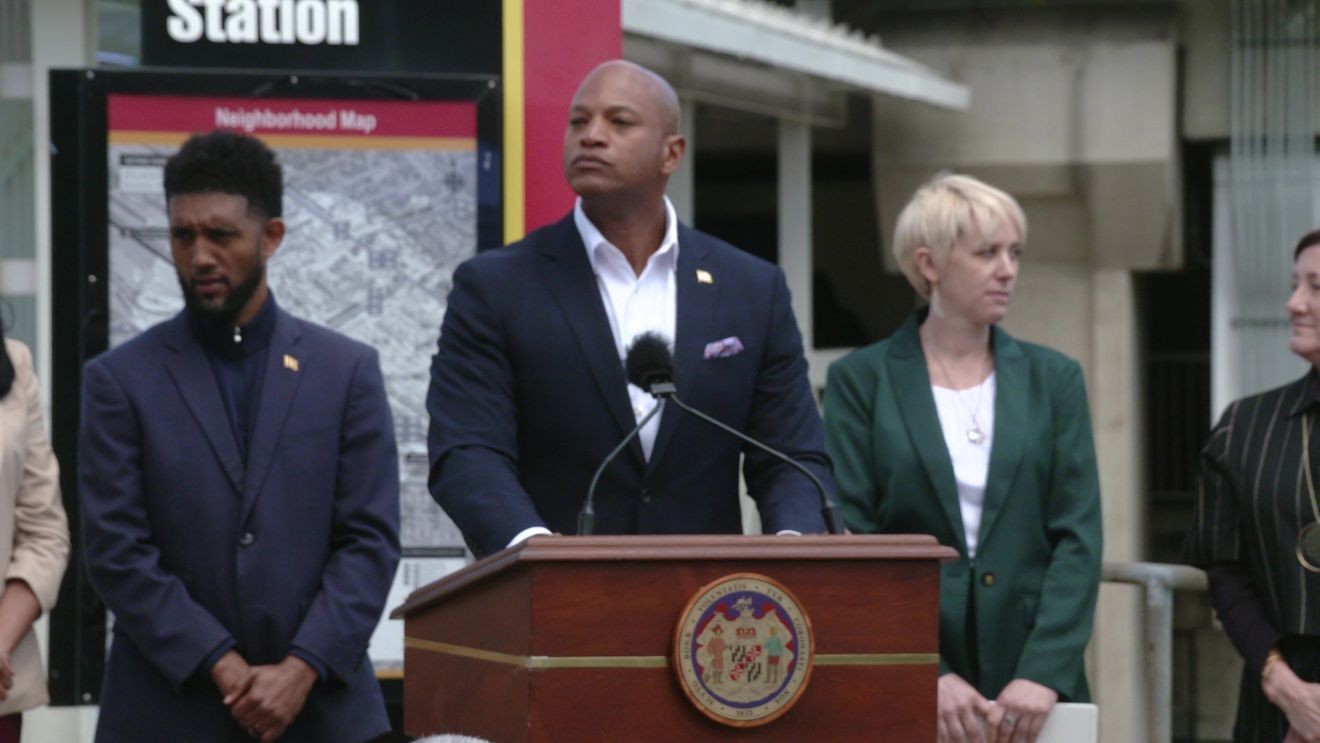
Moody’s Ratings downgraded Maryland’s credit for the first time in nearly 30 years in May 2025, following an outlook warning first reported by FOX45 News the previous year.
Since the Maryland General Assembly passed the Child Victims Act in 2023, eliminating the statute of limitations for survivors of child sexual abuse to bring claims, lawsuits against both public and private institutions have surged. The law opened the door for alleged survivors to pursue decades-old claims involving state-run juvenile facilities, public schools, foster care systems, and other government agencies.
Among those filing suit is David Madison, who claims he was sexually abused while detained at Cheltenham Youth Detention Center after allegedly stealing items from a Maryland shopping mall as a teenager. Now an adult with children of his own, Madison told Spotlight on Maryland in March 2025 that Maryland Department of Juvenile Services staff members used their authority and access to exploit children like himself in state facilities.
“One staff member would lock us in our room at night,” said Madison in March 2025. “They would keep our shoes outside. The people who were protecting us had the keys to do whatever they wanted to do to us.”
Madison’s allegations reflect a broad wave of claims that attorneys and lawmakers say could far exceed Spotlight on Maryland’s earlier estimate of $4.9 billion in taxpayer exposure.
In response to Spotlight on Maryland’s questions, the Maryland Attorney General’s Office indicated that many of the 12,305 claims may qualify under an $890,000 per incident or occurrence liability cap, rather than the revised $400,000 limit that lawmakers approved last year for future claims.
State Sen. Chris West, a Republican representing Baltimore and Carroll counties, said that distinction could dramatically alter the state’s total exposure, permitting plaintiffs to recover damages for multiple incidents.
If they are permitted to recover for multiple incidents,” West said, “that can be $60 billion.”
That figure would approach the scale of Maryland’s annual state budget, intensifying concerns about how the state could absorb such costs while managing existing fiscal challenges – like a projected $4 billion structural fiscal cliff approaching in the coming years.
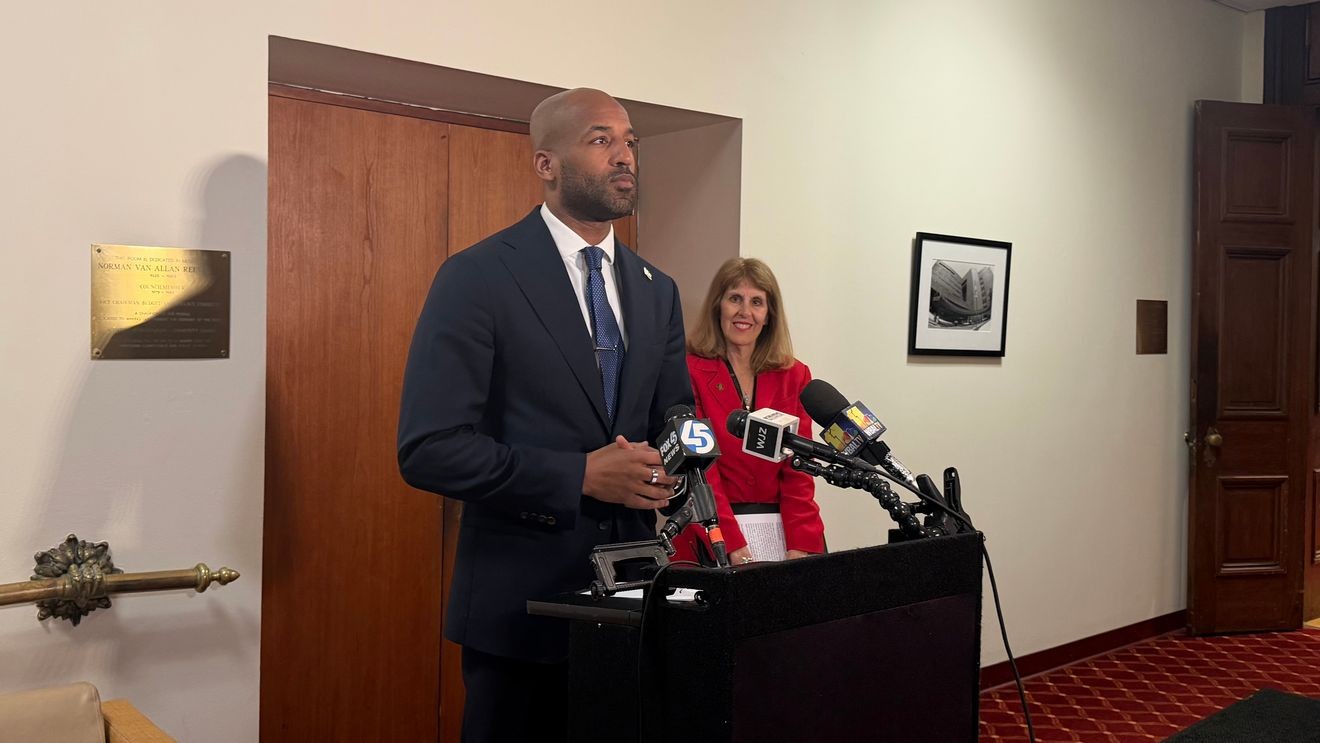
Maryland Del. C.T. Wilson, a Democrat representing Charles County and the chief architect of the Child Victims Act, defended the law despite the growing fiscal concerns.
“I would hope that the state leans in and tries to actually investigate to ensure that any and all of these claims are legitimate,” Wilson said. “At the end of it, I can’t sit here and walk away from the people that have been victimized because it’s costly.”
Since Spotlight on Maryland was the first to report on the billions of dollars in costs Maryland taxpayers may have had to absorb last year, Wilson has argued that the law was meant to give survivors a way to seek accountability after years, and in some cases decades, of being barred from civil court by time limits.
When asked if credit rating agencies were aware of the unfunded mandate, Senate President Bill Ferguson, a Democrat representing Baltimore City, said the issue must first go through litigation. The Senate president added that he believed any of the negotiated settlements would be significantly below the maximum payout available, while also adding that the state faces “serious cases.”
“It has to play out in court,” Ferguson said. “There has to be a process that is identified through, ideally, settlement negotiations.”
It would be inappropriate to say we are setting aside some amount of money that would also influence the settlement negotiations,” Ferguson added.
The lack of a publicly disclosed funding strategy has raised concerns among fiscal watchdogs and lawmakers, especially as the state faces broader financial challenges, including deficit worries and questions about borrowing costs for bonds to cover potentially substantial debt.
Other states facing similar waves of historic abuse claims have established compensation funds or used long-term bonding mechanisms to spread the cost over time, up to 30 years.
California and New Jersey have both considered large-scale settlement frameworks in previous child sex abuse litigation after passing their version of the Child Victims Act. Specifically, in New Jersey, a case resulted in a $12 million award instead of a settlement. Some believe this could impact future negotiations in Maryland as well.
Maryland has not announced any comparable funding plan and has been guarded on projections.
ALSO READ | Maryland could face $4.9B legal bill for child sex abuse; no funds set aside
The potential liabilities also do not appear as clearly defined line items in the most recently published fiscal planning documents reviewed by credit rating agencies found on the state’s investor website.
Ferguson said the issue was discussed, in general terms, two years ago during meetings in Annapolis with ratings analysts.
“This did come up in a general sense,” Ferguson said.
For alleged survivors, such as Madison, the focus remains less on the cost and more on accountability.
When asked by Spotlight on Maryland if meaningful change would only happen if the state faced consequences for its alleged past actions, Madison said, “I think they should be accountable.”
While more than 12,000 claims have already been filed and legal questions about damage caps remain unresolved, the true cost for taxpayers and the state’s long-term finances may still be unclear.
“I don’t believe it’s a one-time dollar amount,” Ferguson said. “It’s something that likely would be awards over time.”
Send news tips about this story or others to gmcollins@sbgtv.com or contact Spotlight on Maryland’s hotline at (410) 467-4670.
Follow Gary Collins on X and Instagram. Spotlight on Maryland is a collaboration between FOX45 News, WJLA in Washington, D.C., and The Baltimore Sun.
 Local Story