Finksburg, Md. (WBFF) — Will Maryland opt into a new education scholarship program created last year by the federal government? For months, Maryland Governor Wes Moore has said very little about his intentions. But during a speech this past weekend in Washington, DC, the governor may have shown his hand.
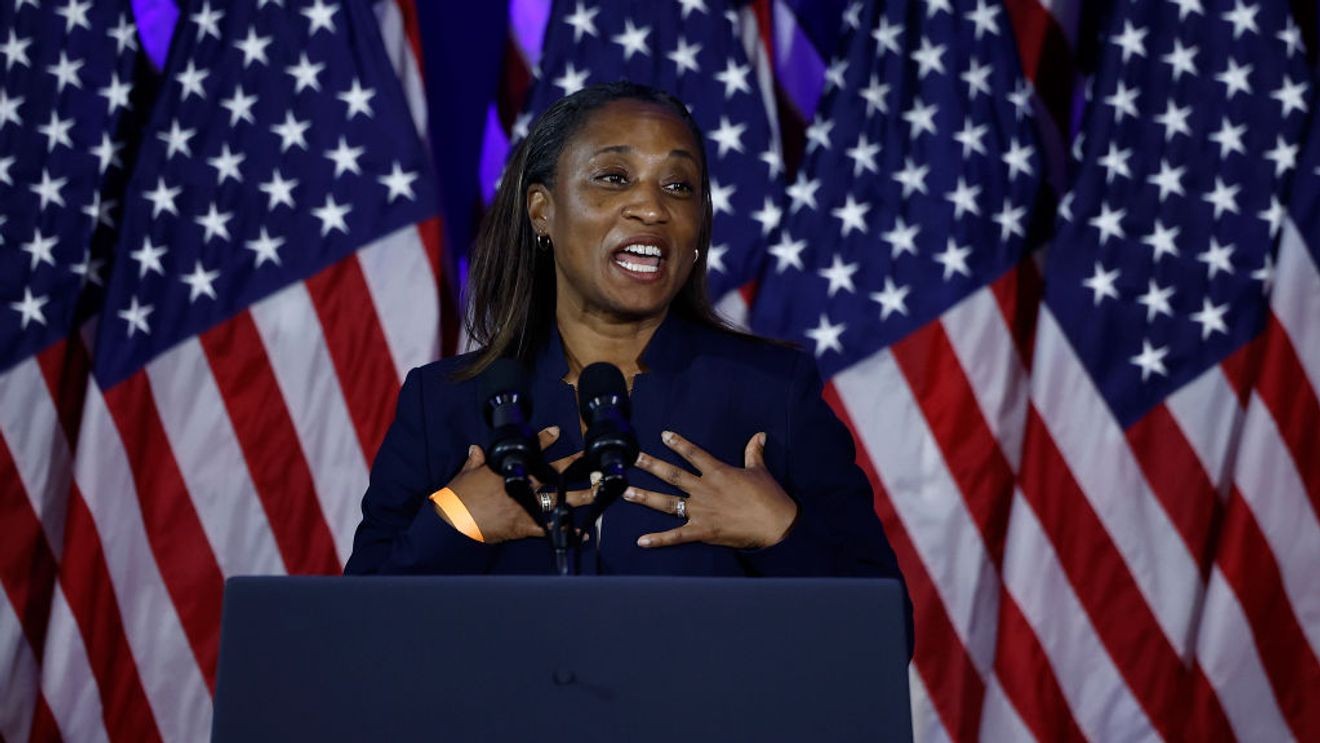
Moore, on July 19, was in Washington, DC, speaking at the annual convention for the American Federation of Teachers – the second largest teachers’ union in the United States.
“I am so happy to be here with y’all,” Moore said at the event.
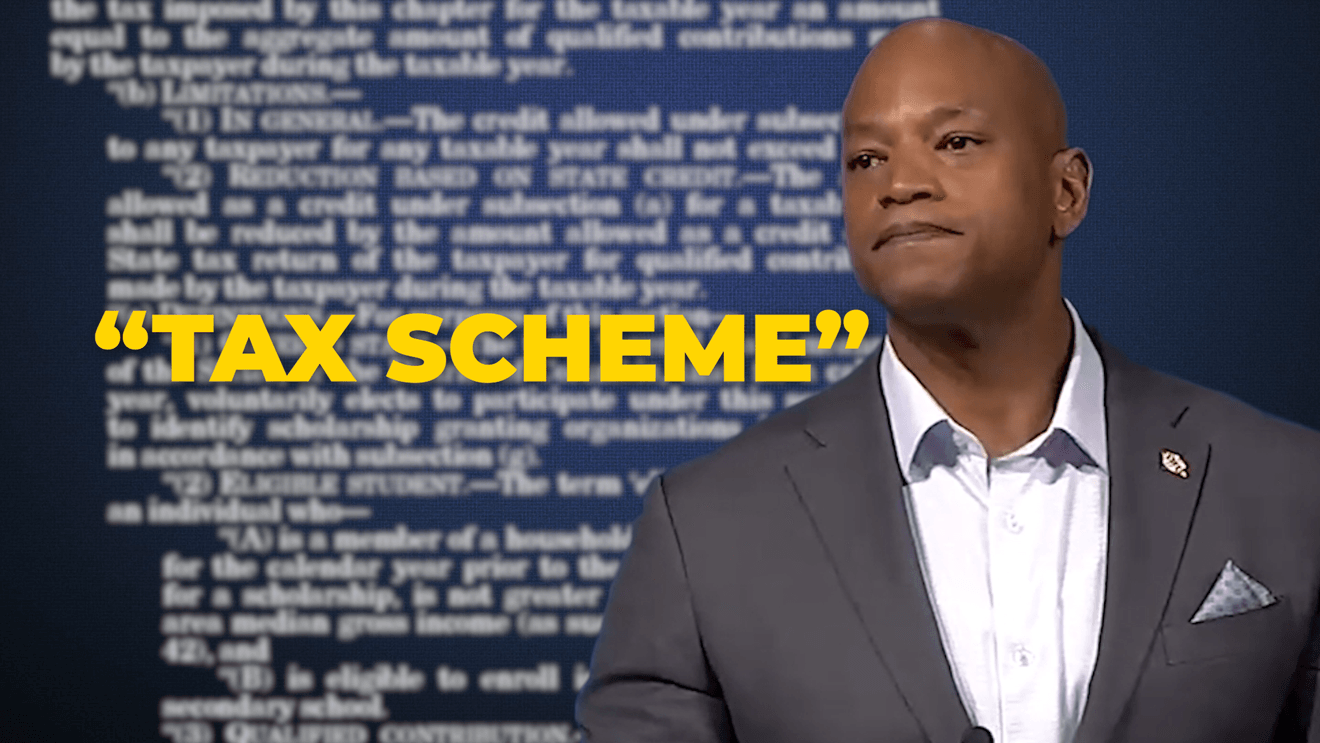
During his roughly 30-minute speech, Moore addressed a number of issues impacting education, including the 2025 passage of President Donald Trump’s Big Beautiful Bill – where Moore said, “Buried inside that bill is a tax scheme that takes public funding and steers it towards private schools. So, there is a real and a justified anxiety in this country, and there’s a real and a justified anger in this country.”
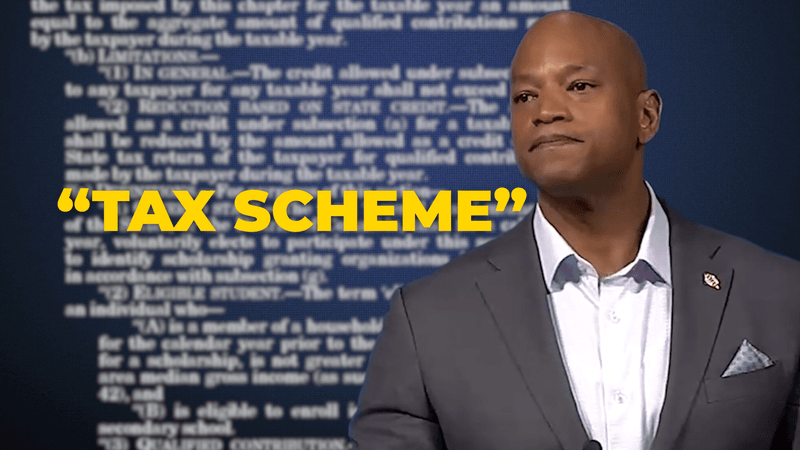
Maryland Governor Wes Moore spoke at the annual convention for the American Federation of Teachers where he addressed a number of issues impacting education, including the 2025 passage of President Donald Trump’s Big Beautiful Bill (WBFF)
Governor Moore’s Office has confirmed to Project Baltimore that statement was in reference to a provision in the BBB, known as the Federal Scholarship Tax Credit.
ALSO READ || Despite controversial tenure, former Baltimore Schools CEO takes global education post
When the Big Beautiful Bill passed last year, it created the Federal Scholarship Tax Credit. Starting in 2027, individual taxpayers can receive a tax credit up to $1,700 annually for contributing to an IRS-approved “Scholarship Granting Organization”. Eligible families can then apply for and receive K-12 education scholarships from an approved SGO. The scholarships cover a wide range of academic needs including private school tuition, tutoring, after-school programs, classroom supplies and textbooks.
But in order for eligible families to receive funds from a Scholarship Granting Organization, state governors must opt into the program. According to the IRS, as of July 6, 29 states, Republican and Democrat lead, have opted into the program. Maryland is not one of them.
Governor Moore has said very little publicly regarding his intentions, except for his recent comments at the AFT convention on Sunday, where he called the program a “tax scheme.”
Opponents, such as the Maryland State Education Association, the teachers’ union, argue the program will place a “greater strain on the federal education budget” while encouraging “students to abandon public education” which will reduce funding for public schools.

According to the IRS, as of July 6, 29 states, Republican and Democrat lead, have opted into the program (WBFF)
“I think we should be looking for everything we can to help people with their affordability and their taxes,” said Maryland State Senator Justin Ready, who represents Carroll and Frederick Counties.
Ready strongly feels Maryland should opt into the program. Here’s why – because even if Maryland does not opt into the program, Maryland taxpayers can still contribute to a participating “Scholarship Granting Organization” and claim the tax credit. But, under that scenario, Maryland families will not be able to receive the scholarships. Only families in states that opt into the program can receive scholarships.
ALSO READ || How hard work, organization, and consistency built Maryland’s only Title I 5-Star school
“My attitude is this is literally free tax credit money,” remarked Ready.

The scholarships covers a wide range of academic needs including private school tuition, tutoring, after-school programs, classroom supplies and textbooks (WBFF)
Project Baltimore emailed Governor Moore’s office asking, “Has the Governor decided if Maryland will opt into the program? If not, when does he anticipate making a decision?”
We have not received a reply.
“It’s a federal tax credit,” said Ready. “It would be foolish for our state not to opt in and give contributions for educational services and educational help. I’m hopeful the governor will eventually do that.”
The governor has until January 1 to participate in the program for 2027.
Follow Project Baltimore’s Chris Papst on X and Facebook. Send news tips to cjpapst@sbgtv.com
 Local Story