ANNAPOLIS, Md. (7News) — Maryland is on the verge of becoming the first state in the nation to ban what lawmakers call “surveillance-based dynamic pricing,” a practice that allows prices to fluctuate based on consumer data, demand, or online behavior.
The General Assembly has passed the measure, known as the “Protection from Predatory Pricing Act,” and Gov. Wes Moore (D) is expected to sign it into law, setting up a major shift in how some grocery stores, delivery services, and retailers operate.
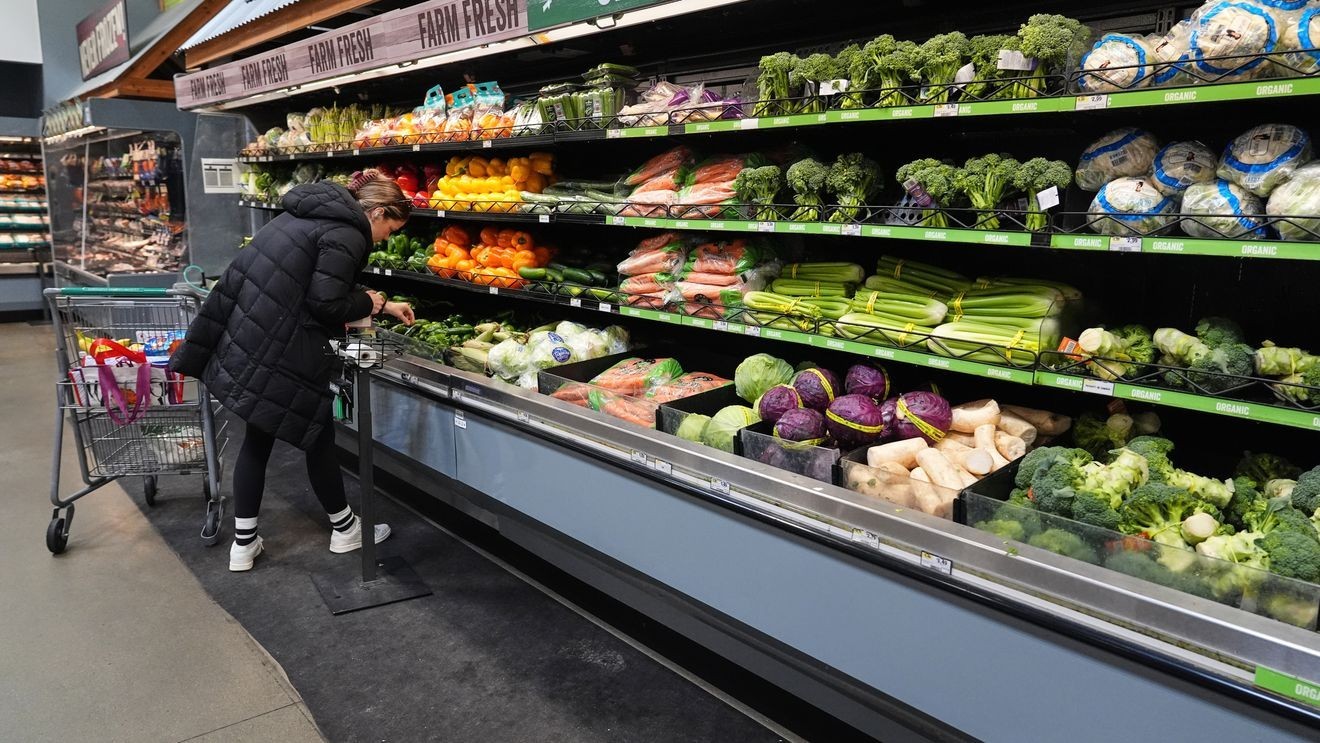
Dynamic pricing refers to systems where prices can change in real time based on factors such as demand, time of day, inventory levels, or even customer data collected through apps and online shopping behavior.
SEE ALSO | Gov. Moore invests $5.2M in Maryland job support program for tech and healthcare
Supporters of the Maryland ban say the concern is not traditional sales or discounts, but what they describe as “surveillance pricing” — where companies could use personal data to show different prices to different customers for the same product at the same time.
Under the new law, retailers would be prohibited from using personal data to set individualized prices for consumers. In practical terms, supporters say the goal is to ensure the price displayed is the price every customer pays.
Governor Wes Moore and legislative leaders have framed the measure as a consumer protection effort aimed at increasing transparency in a rapidly digitizing retail environment.
“Digital price tags are replacing paper ones. It’s happening because we are having cameras that are watching aisles, it’s happening because we have apps that are moving from search-based to predictive,” Moore said in remarks supporting the legislation.
Proponents argue that as retailers increasingly rely on digital tools and artificial intelligence, consumers need clearer protections against hidden or individualized pricing structures that are not always visible at checkout.
They also said the law will help prevent sudden or unpredictable price spikes on everyday goods, particularly groceries and household essentials.
Not everyone supports the ban. Retail and business groups have raised concerns that the law could limit pricing flexibility, especially during periods of high demand or limited supply. Some argue that dynamic pricing tools can also be used to offer targeted discounts, helping lower costs for certain shoppers.
Industry critics warn that restricting these systems could reduce promotional pricing strategies, including personalized deals and time-sensitive discounts that some consumers currently benefit from.
They also caution that the legislation could create compliance challenges for national chains and digital grocery platforms operating across multiple states.
If signed by Moore, Maryland would become the first state in the country to fully prohibit the use of personal data in dynamic pricing models for retail goods.
The law is expected to take effect in October, giving businesses several months to adjust pricing systems and compliance procedures.
State officials say the rollout will likely have the biggest impact on large grocery chains, delivery apps, and retailers using advanced digital pricing technology.
As Maryland prepares to implement the change, other states are expected to watch closely, with the debate over digital pricing transparency likely to continue nationwide.
 Local Story