Money, Riches and Wealth
6:00 pm - 7:00 pm
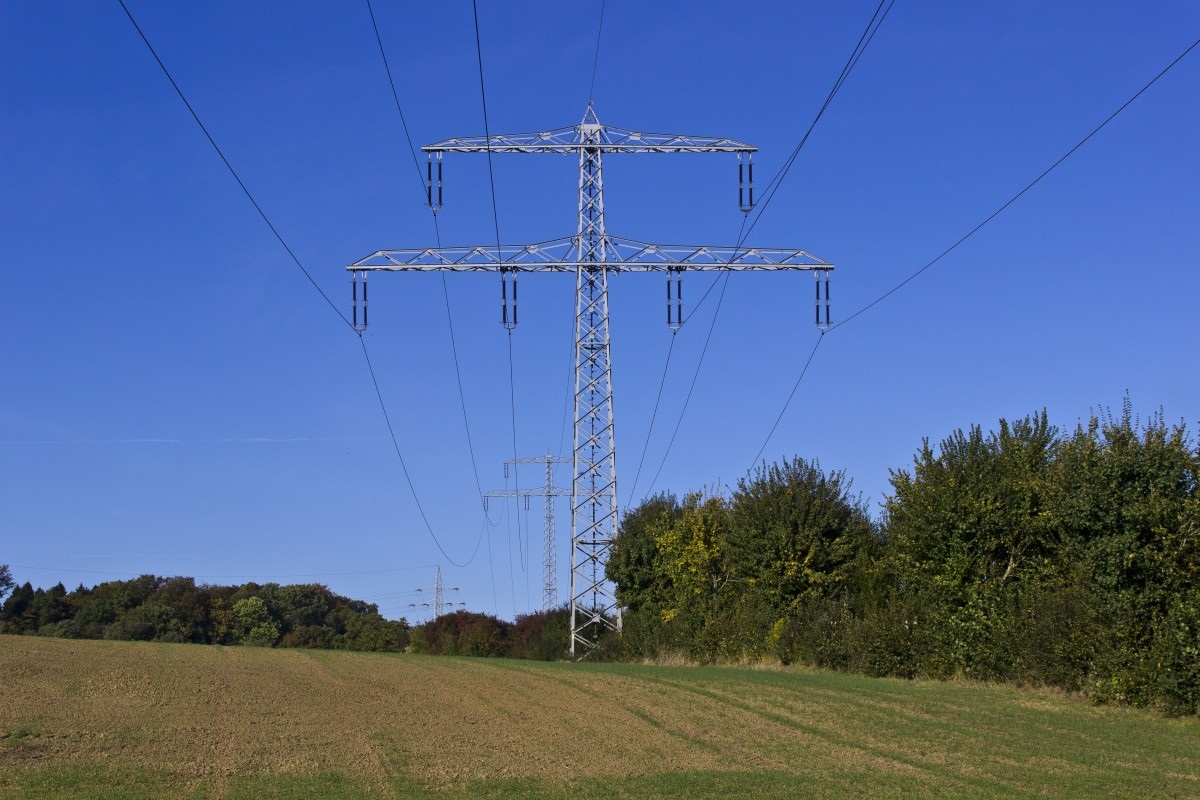
Maryland Power Line Project Sparks Second Night of Protests
Residents in Westminster, Maryland gathered for a second consecutive night of protests on Wednesday to oppose a controversial power transmission project proposed by New Jersey-based Public Service Enterprise Group (PSEG). The Maryland Piedmont Reliability Project (MPRP), which would construct 70-mile high-voltage power lines through Baltimore, Carroll and Frederick Counties, faced fierce opposition from approximately 1,000 local residents at the Carroll County Agriculture Center.
Westminster resident Whitney Miller challenged PSEG’s panel of representatives, criticizing what she called “avoidance, half-truths and lies” about the project. Miller and other residents prevented the company from completing their opening remarks, expressing frustration over what they viewed as a lack of transparency regarding the project’s regulatory process.
“I saw last night’s group was labeled as hostile, so we need to clarify that your intention is to come into our state, destroy our land, render our homes unlivable. We are not the hostile ones,” Miller told the panel.
Brad Garst, a New Windsor resident, expressed strong opposition to any potential use of eminent domain, suggesting residents would protect their property rights by any means necessary. The meeting largely transformed into a listening session as residents repeatedly interrupted PSEG representatives when they found responses inadequate.
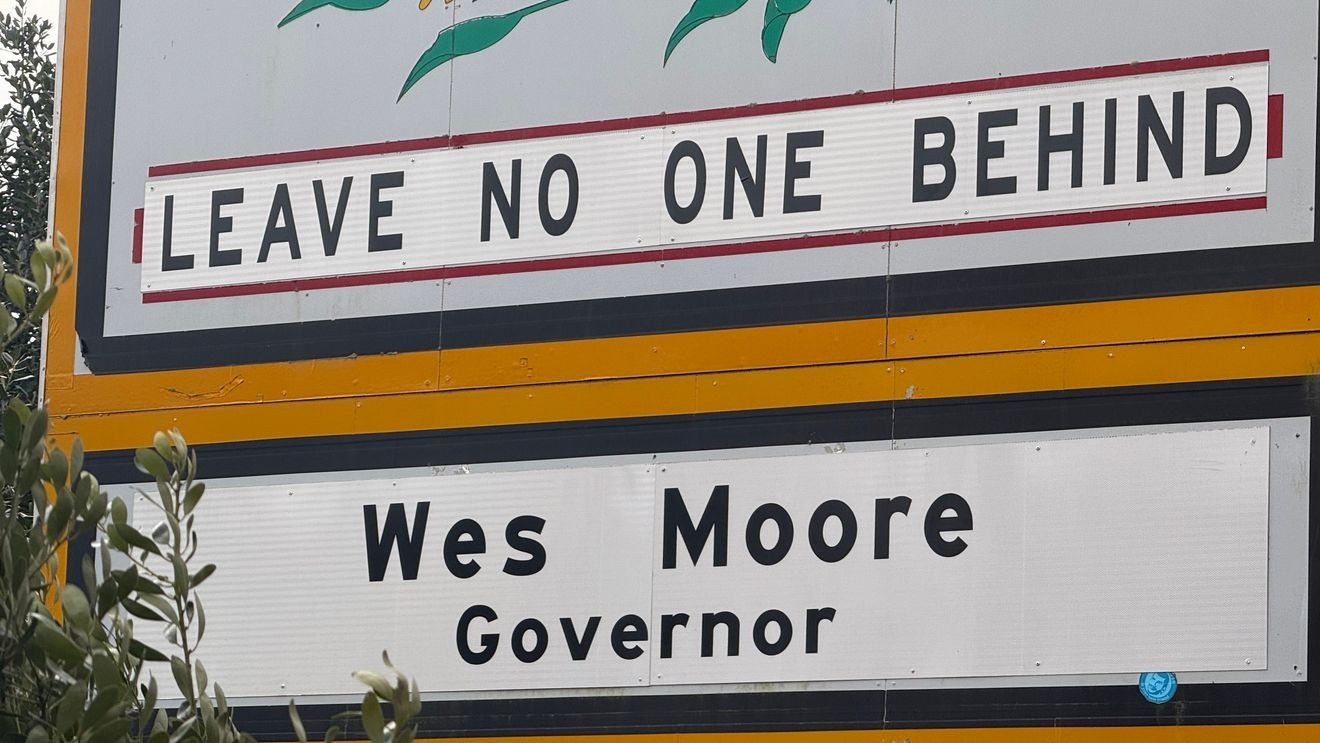
Despite public opposition, PSEG’s state affairs manager Jim Gilroy indicated the company plans to proceed with submitting a development application to the Maryland Public Service Commission, citing unsustainable demands on the region’s power grid. This aligns with statements from Eric Luedtke, Governor Wes Moore’s chief legislative officer, who previously indicated that Maryland needs to double its power transmission grid to meet clean energy goals.
The governor’s office has not responded to repeated requests for comment regarding the use of eminent domain for the project. Local residents expressed frustration over what they perceive as a lack of engagement from state leadership, with some appealing to federal authorities for intervention.
The contentious meeting highlighted the growing tension between state clean energy initiatives and local property rights, as Maryland residents continue to organize against the proposed power line development.

 Local Story