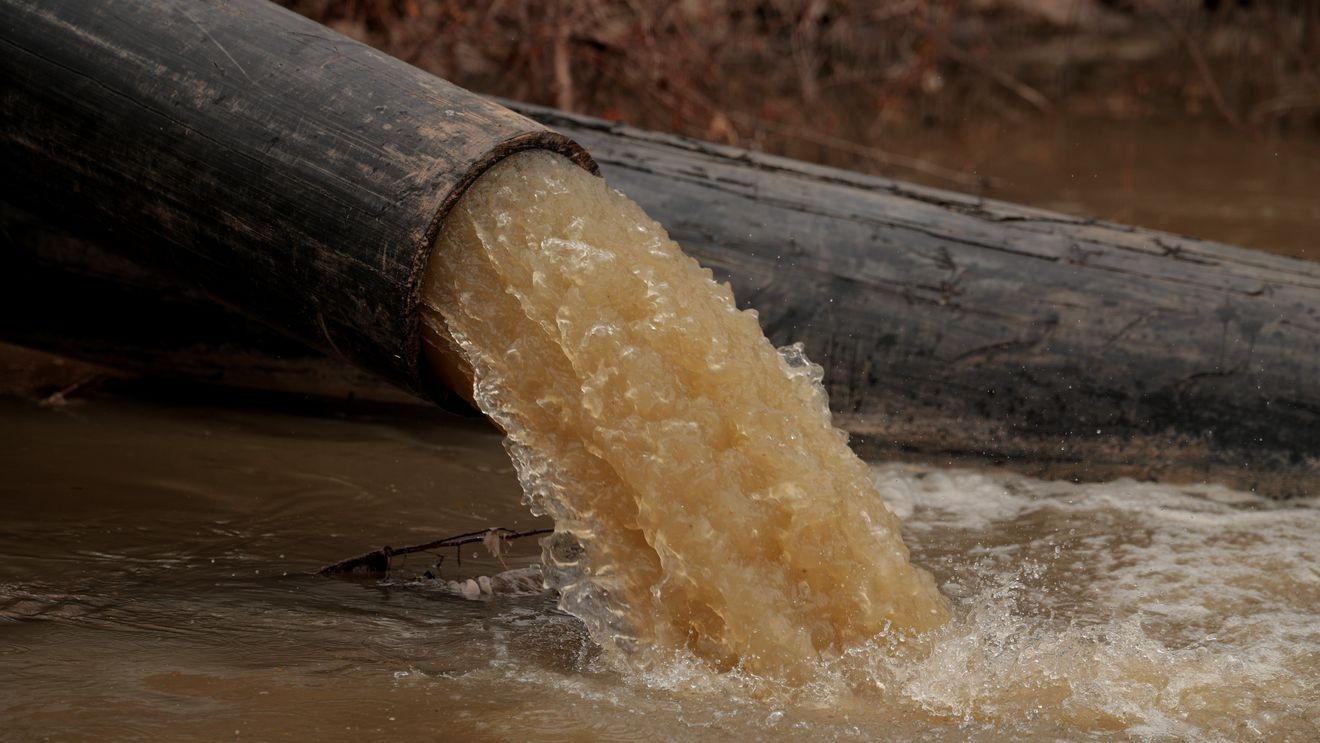
WASHINGTON (7News) — DC Water is facing a lawsuit from Maryland leaders after one of the agency’s aging sewer lines broke earlier this year and sent millions of gallons of contaminated water into the Potomac River.
In a lawsuit filed by State Attorney General Anthony Brown and the Maryland Department of the Environment, leaders argued the water management firm failed to keep up with repairs on the over-50-year-old, 54-mile-long Potomac Interceptor, which led it to break in Montgomery County near the C&O National Historical Park.
The complaint was filed in Montgomery County Circuit Court. Leaders said DC Water should pay up to $10,000 for every day of the leak, pay for testing and cleanup costs, and cover damages to state natural resources.
DC Water said it’s reviewing the lawsuits but restated plans to work with leaders to make necessary repairs.
“Millions of gallons of raw sewage in the Potomac River does not just disappear, it damages ecosystems and harms communities, and it demands accountability,” said Attorney General Brown in a statement. “DC Water knew this aging infrastructure was corroding, yet it delayed repairs and failed in its duty to protect this treasured waterway, failures that we allege constitute gross negligence. We are going to court to make sure they make it right for Marylanders.”
The 72-inch section of the line broke on Jan. 19, but emergency repairs did not wrap up until March 16, over 50 days later. Critics called it one of the nation’s worst environmental disasters in recent history, spilling roughly 240 million gallons of sewage water filled with E. coli and staph bacteria in the first eight days of the disaster, according to officials.
“From the outset, DC Water’s highest priority was to safely and quickly contain the overflow and repair the damaged section of the Potomac Interceptor,” a portion of a DC Water statement read.
DC Water implemented several systems during the repairs to slow down and stop sewage water from entering the Potomac River, though conservationists warned that leaks kept occurring.
A report from the Washington Post found that DC Water in 2018 tried to get the National Park Service to fast-track approval on maintenance work, though that request had failed due to environmental concerns.
 Local Story