Maryland’s Medicaid program spent over $68 million in the past year on medications treating obesity and Type 2 diabetes, marking an 86% increase from the previous year and placing the state seventh highest in national spending, according to a new analysis.
The study by healthcare marketing firm Real Chemistry examined how state Medicaid programs cover GLP-1s (glucagon-like peptide-1 agonists), medications that have gained popularity for treating both conditions. While these drugs can cost up to $1,000 monthly without insurance, their proven effectiveness has led to increased demand and coverage.
Maryland’s Coverage Landscape Currently, Maryland Medicaid covers Wegovy for obesity treatment and provides coverage for common Type 2 diabetes medications. The state is among 36 that cover at least one FDA-approved obesity drug. While all state Medicaid programs cover at least one GLP-1 for Type 2 diabetes, coverage for obesity treatment varies significantly across states.
FDA-Approved Medications The FDA has approved three GLP-1s specifically for obesity treatment:
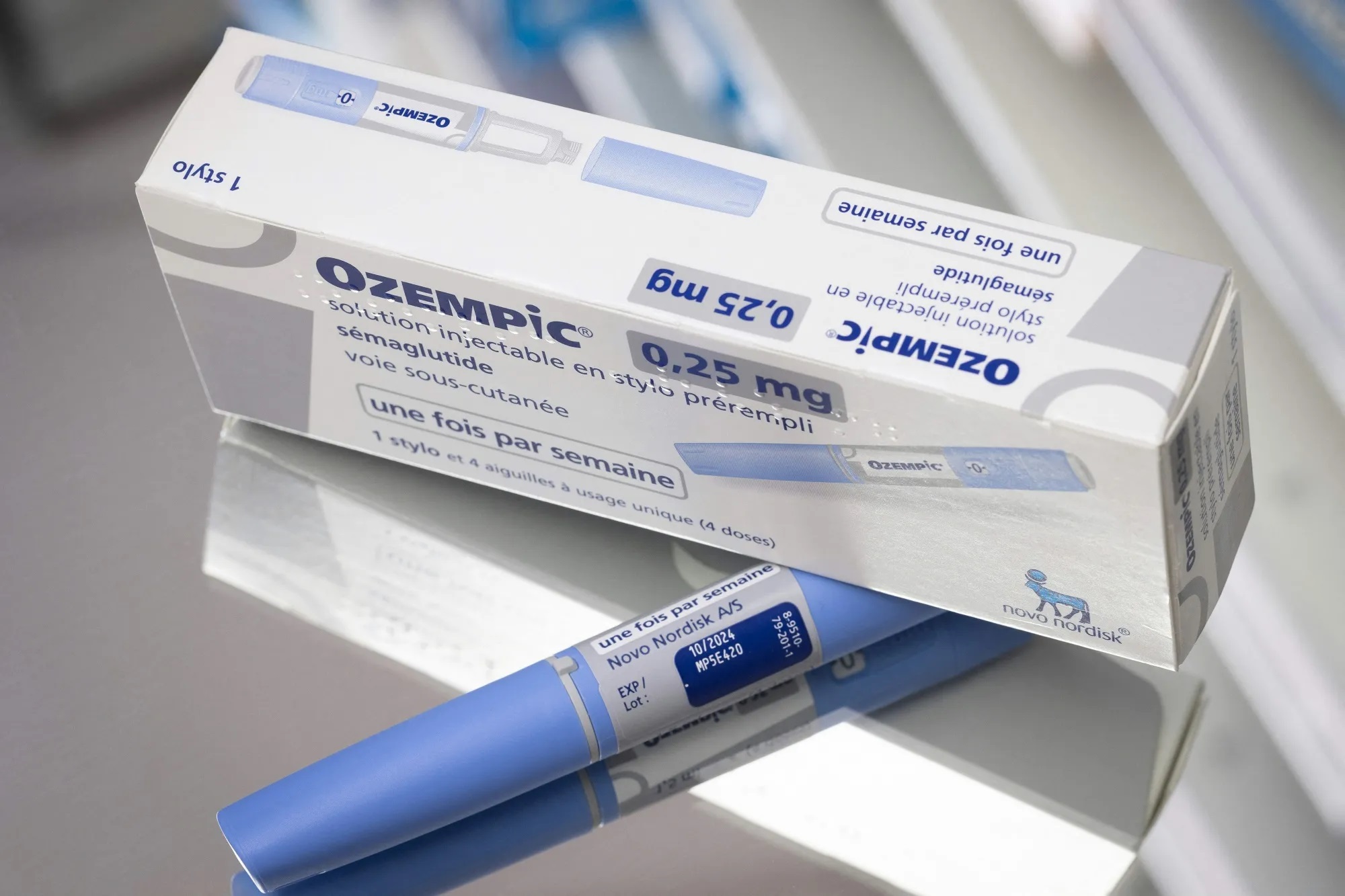
Other medications like Ozempic, Mounjaro, and Rybelsus are currently approved only for Type 2 diabetes treatment, though they were developed initially for diabetes and later found effective for obesity treatment.
National Context Nationwide, Medicaid spending on GLP-1s has seen exponential growth over the past five years, reaching $3.5 billion for obesity treatment in the last 12 months. Real Chemistry’s analysis used data from a proprietary market intelligence platform, drawing from medical, hospital, and pharmacy claims covering over 300 million U.S. patients across a decade.
Looking Ahead The Biden administration has proposed expanding coverage for obesity drugs under both Medicare and Medicaid, though this initiative is expected to face opposition from the pharmaceutical industry and the incoming Trump administration. Currently, Medicare limits GLP-1 coverage to patients with Type 2 diabetes or specific heart conditions.

 Local Story