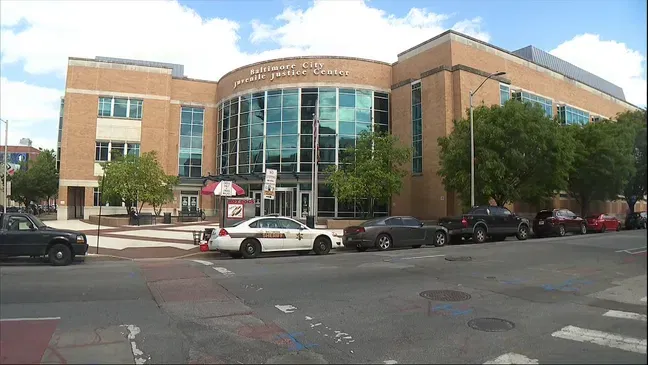
A contentious new juvenile justice law taking effect Friday in Maryland now allows children as young as 10 to be referred to the juvenile justice system for an expanded range of nonviolent crimes, marking a significant shift in how the state handles young offenders.
The law requires mandatory Children in Need of Supervision (CINS) petitions for youth charged with motor vehicle theft, a change from previous voluntary filing practices. While these petitions open doors to various family support services, they also mean increased system involvement for Maryland’s youngest offenders.
Critics and supporters remain deeply divided over the law’s impact. Maryland Public Defender Natasha Dartigue warns that the changes represent “a major step back” for children, particularly affecting youth of color from marginalized communities. “Maryland is subjecting more children to the harms of detention and the trauma of the criminal legal system while achieving no true public safety benefit,” Dartigue says, emphasizing that therapeutic and rehabilitative services can achieve better outcomes without incarceration’s negative effects.
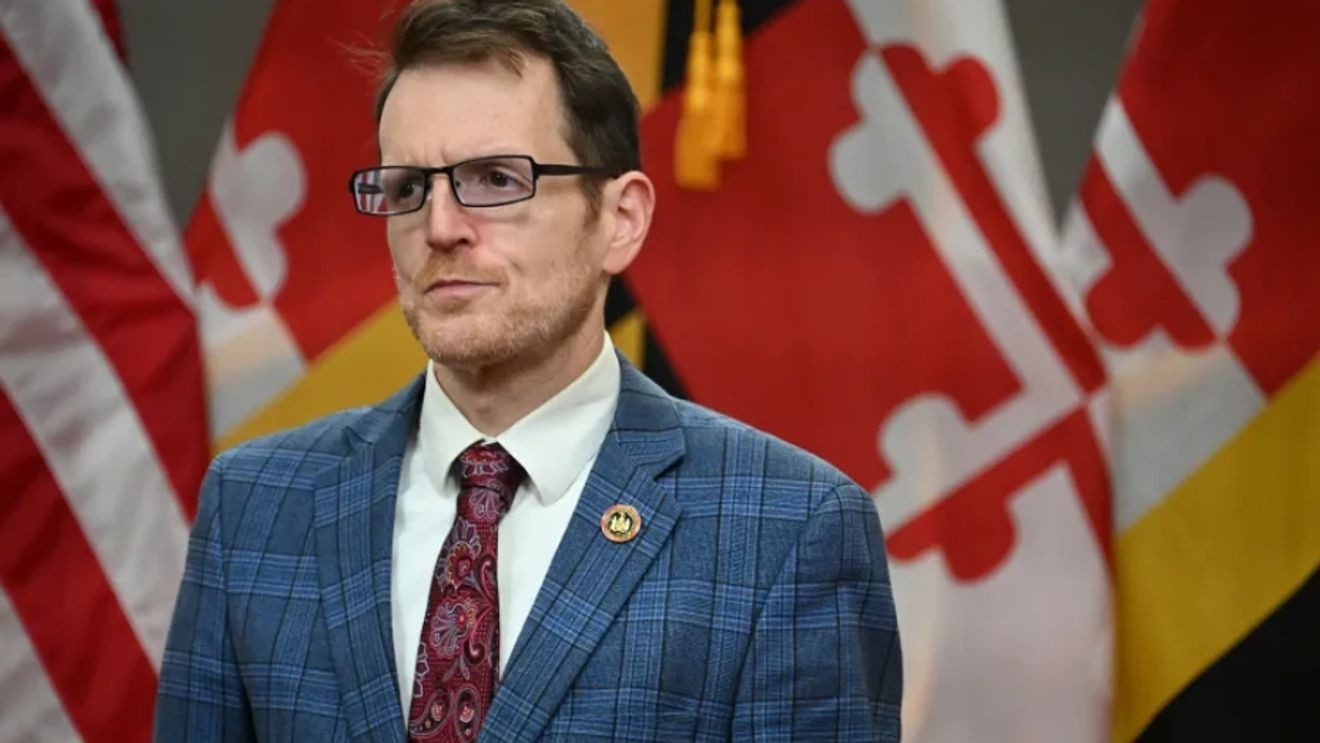
However, lawmakers like Senator Chris West (R-Baltimore County) defend the changes as necessary responses to public safety concerns, particularly regarding youth carjackings. West points to limitations in the 2022 Juvenile Justice Reform law, which prevented charging children under 13 with nonviolent crimes. “All the police could do is sort of wag their finger at them and send them home. Then the next afternoon they would be out in the street committing more crimes,” West explains.
The new legislation expands covered offenses to include crimes such as aggravated animal cruelty and third-degree sex offense. It also lengthens probation periods, extending misdemeanor probation from six months to a year and felony probation from one to two years.
Despite fears driving these changes, Department of Juvenile Services Secretary Vincent Schiraldi reports encouraging trends, including a 26% decrease in juvenile homicide arrests compared to last year. He notes that 94% of youth under electronic monitoring avoid new arrests.
Baltimore County State’s Attorney Scott Shellenberger (D) supports the law’s preventive approach. “My review of the entire package, I believe, will do a better job of treating the juveniles and trying to get them help. Not only them, but their families,” he says, suggesting earlier intervention could prevent more serious crimes at later ages.
Reform advocates question the rush to implement new restrictions. “The laws that we pass today are going to give us results years down the road. We don’t even have the data to know if those passed laws have been effective,” argues Alice Wilkerson, executive director of Advance Maryland.
To oversee these changes, Governor Wes Moore has appointed a 26-member Commission on Juvenile Justice Reform and Emerging and Best Practices, set to begin work November 6. The commission, chaired by retired judge Andre Davis, faces significant challenges, including addressing racial disparities – currently, 80% of youth charged as adults in Maryland are people of color.
Commission member Aubrey Edwards-Luce expresses concern about extended probation periods, noting, “If you’re still experiencing consequences for something that you did a year and a half ago because you’ve been on probation, the lesson that we’re wanting them to learn is completely not happening.”
Davis encourages public engagement as the commission begins its work. “Pay very close attention to the work of the commission,” he advises residents concerned about crime. “It’s a process of educating all of the stakeholders about what is best for the community regarding safety and what is best for the children that we all love and care about.”

 Local Story