The Scott Jennings Show
8:00 pm - 10:00 pm
MARYLAND (WBFF) — Maryland residents are paying more to live in a state facing billions of dollars in budget shortfalls.
For some, the financial strain has become so severe that they are turning to food pantries to afford their next meal.
Valerie Baskerville, 74, receives $24 a month in food assistance.
“Nothing. An insult,” Baskerville said of the amount. “I use it because it’s there. I need it.”
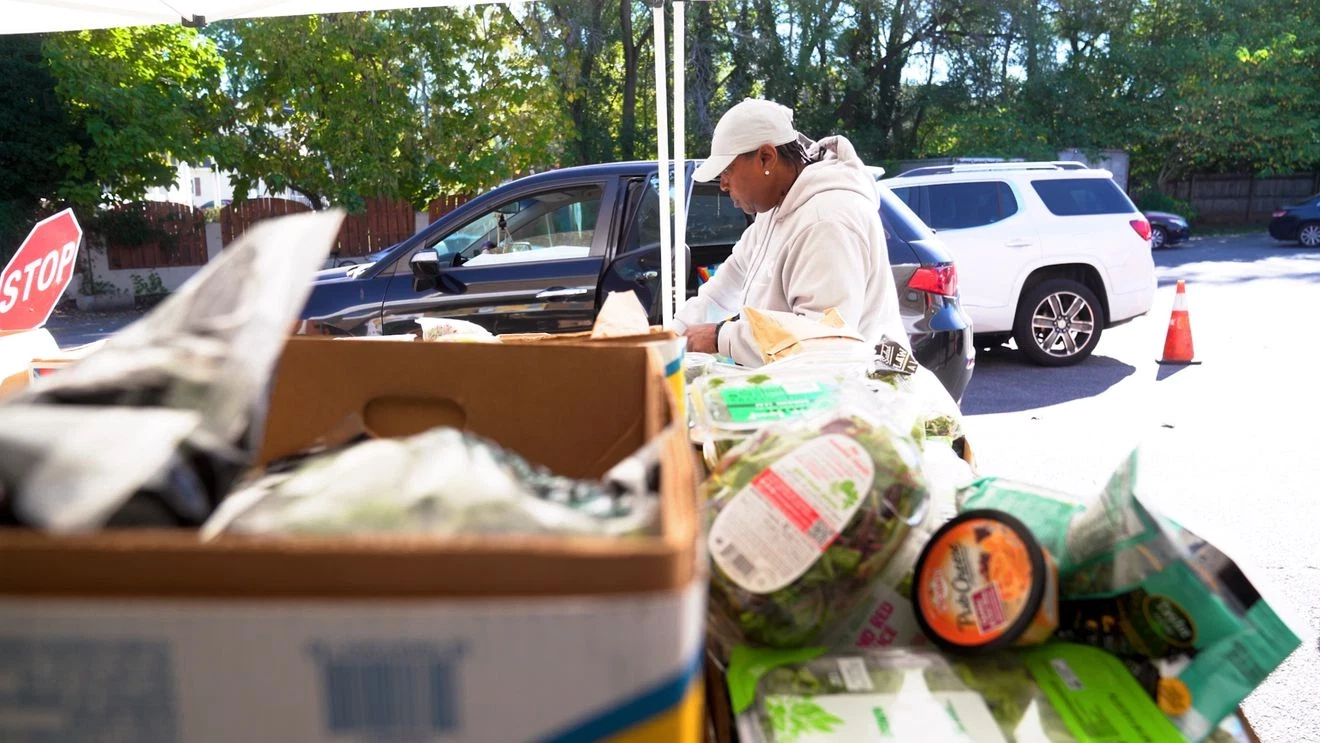
Baskerville is among the Marylanders turning to Fishes and Loaves Food Pantry in Baltimore to help make ends meet.
She is not alone.
The pantry’s director, Pastor Andre Samuel, said demand has increased 15% to 20% from last year as families struggle to cover the cost of living.
“People have to pay their gas and electric. They have to pay their rent, but then they’re trying to find a place to get food,” Samuel said.
It is a growing affordability problem in one of the wealthiest states in the country by household income, according to a report by U.S. News and World Report. Meanwhile, residents are facing rising household bills and changes to food assistance even as state leaders grapple with billion-dollar budget deficits.
The financial pressures come from multiple directions. President Donald Trump’s administration has advanced federal changes that shift more Supplemental Nutrition Assistance Program (SNAP) costs to states and tighten eligibility requirements for some recipients. In Maryland, Gov. Wes Moore has faced questions about rising taxes and fees, persistent budget deficits and how his administration will help residents struggling to afford basic necessities.
Last year, Moore signed a state budget package that included more than $1.6 billion in new taxes and fees. Maryland now faces a budget deficit next year projected to be in the billions, while the state expects to absorb millions of dollars in additional costs to administer the SNAP program.
For families like Baskerville’s, the consequences of those policy decisions are measured in groceries they can no longer afford.
Rising bills, fewer dollars for food.
Larry Nance said increases in utility bills have made it harder to afford everyday necessities.
His Baltimore Gas and Electric bill has increased by $70, he said, while his water bill has gone up by $35. He expects another increase.
At the food pantry, Nance said he picks up basic items, including eggs, milk, bread and sugar.
“We need those things,” he said.
For Debbie Chase, the challenge is stretching a smaller food assistance benefit across the month.
Chase said she has been visiting the pantry for about six months. Her monthly SNAP benefits, which she recalled were about $180 to $190, have dropped to $90.
“A week,” Chase said when asked how long $90 worth of groceries lasts.
That leaves her to find ways to cover the remaining three weeks.
“These pantries — it helps,” Chase said. “It might not get you all the way through, but it helps.”
More Marylanders relying on food assistance
Data from Maryland Hunger Solutions shows the state had about 570,000 SNAP recipients in 2019, before the COVID-19 pandemic. Enrollment climbed to about 824,000 in 2021, when pandemic-related assistance was in place.
By 2025, about 675,000 Marylanders were receiving SNAP, still roughly 105,000 more than before the pandemic.
The Maryland Department of Human Services told Spotlight last week that SNAP serves more than 645,000 Marylanders each year, including more than 250,000 children and 136,000 seniors.
At Fishes and Loaves, Samuel said the lines have grown even longer than they were during the pandemic.
“At least during the pandemic, there was other people out there helping give food,” Samuel said. “It seemed like after the pandemic, those people just fell away.”
Federal emergency SNAP payments that provided additional benefits during the pandemic ended in 2023, reducing the amount many households received. Now, changes under the Trump administration could put some recipients at risk of losing benefits.
New federal work requirements apply to certain SNAP recipients, expanding the group of adults who must meet work-related conditions to maintain eligibility, subject to exemptions. The changes also place additional administrative and financial pressure on states.
“People will come to pantries to survive,” Samuel said.
Federal changes bring added costs for Maryland
The changes create a financial challenge for Maryland as it tries to maintain access to food assistance while balancing its budget.
Under the Trump administration’s federal legislation, Maryland is facing a larger share of SNAP administrative expenses. The state expects to spend an additional $43.1 million to administer the program for the remainder of the current fiscal year. That amount could reach $57 million or more over a full fiscal year.
The state’s fiscal 2027 budget appropriates an additional $43.1 million for SNAP administrative costs, according to the Maryland Department of Human Services.
The spending comes as Maryland projects a billion-dollar budget deficit next year.
The federal changes are driving the increased financial burden, but the state must determine how to manage those expenses and respond to residents who need assistance.
Gov. Moore’s administration said state outreach and targeted assistance have helped nearly 40,000 more Marylanders maintain SNAP access compared with the national average.
The Center on Budget and Policy Priorities reports the national average SNAP participation declined by 12% from July 2025 to May 2026. It stated Maryland saw a decline of 6%.
The 40,000 figure represents about half of the 80,000 people at risk of losing benefits under the new work requirements.
The governor’s office acknowledged that Maryland cannot completely fill the gap left by federal cuts.
A growing need heading into the holidays
Back at Fishes and Loaves, Samuel is preparing for what he expects will be another busy holiday season.
“People have already begun calling to ask about turkeys for Thanksgiving, turkeys for Christmas,” he said.
Spotlight on Maryland is a collaboration between FOX45 News, WJLA in Washington, D.C., and The Baltimore Sun. Have a story tip? Email spotlightonmaryland@sbgtv.com or call 410-467-4670. Investigative reporter Tessa Bentulan can be reached at tbentulan@sbgtv.com.
This post was originally published on Fox 45 by Sinclair Media Group.

 Local Story