WASHINGTON (TNND) — A record 25.2 million adults under age 35 are living with their parents amid the ongoing housing crisis, according to a 2025 analysis.
Nearly 1 in 3 young adults were living at home last year, which is higher than the pandemic-era count, Realtor.com research found last Thursday.
According to the data, 52% of 18- to 24-year-olds living at home are employed, as well as 68% of 30- to 34-year-olds, according to the report.
“Something about their income level, debt load, or the cost of housing in their market is keeping them home despite steady employment,” Jones said.
While it has historically been more common for the youngest adults to live at home, it is unusual to see the trend extending into the late 20s and early 30s.
Last year, 20.4% of 25- to 29-year-olds lived with their parents, which was nearly six percentage points higher than in 2000. Adults ages 30 to 34 lived at home last year at a rate of 12.7%, up from 11.4% in 2019 and 7.1% in 2000.
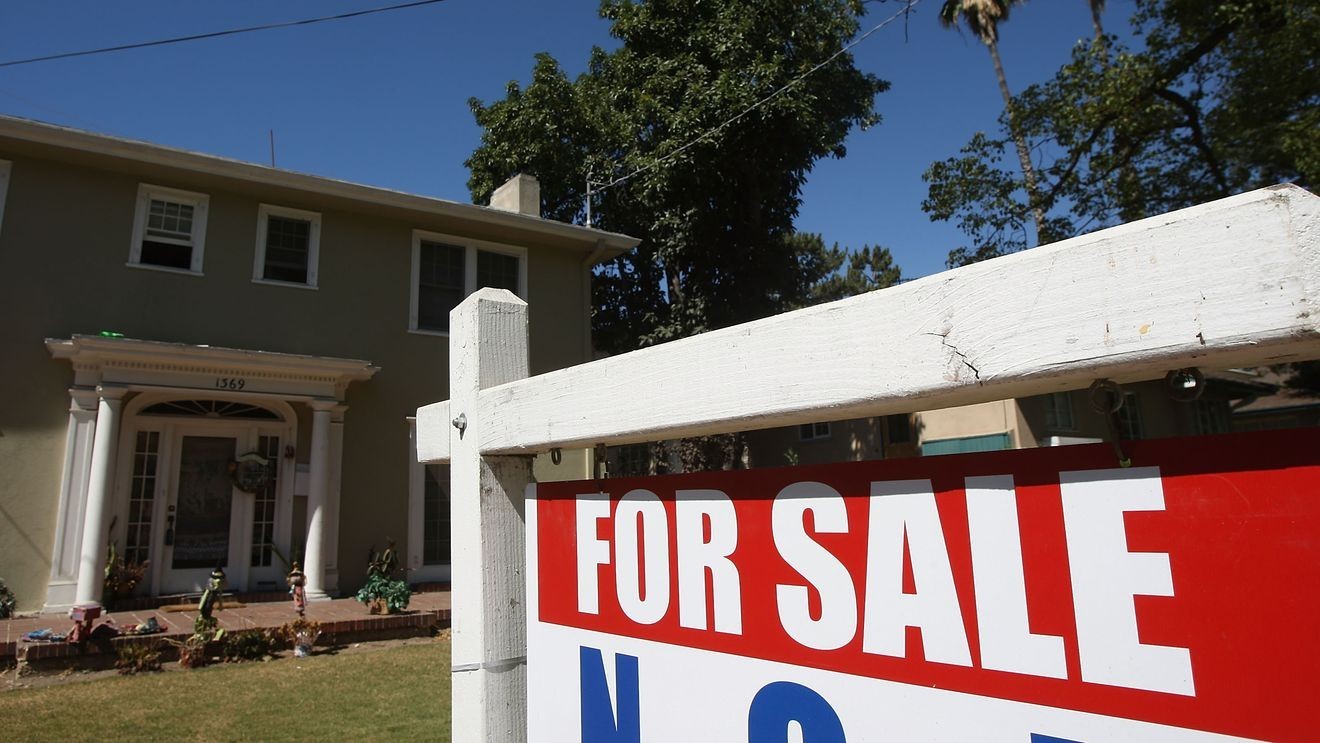
Also in 2025, the median home price was $430,000, up 34.4% from 2019, and the median rent was $1,673, up 17.9%. According to Realtor.com research, there is a roughly 4-million-unit housing supply gap.
“The rise in college attendance over the past 25 years likely plays a role too: More widespread student debt may be constraining what an entry-level salary can actually buy in terms of independent living,” Jones said.
The research found that 10% of 18- to 24-year-olds living at home have a bachelor’s degree or higher, compared to 32% of 25- to 29-year-olds and 27% of 30- to 34-year-olds.
Also, 98% of 18- to 24-year-olds at home have never been married, while unmarried 25- to 29-year-olds are at 94%, and 30- to 34-year-olds are at 89%, the report found.
There are 4.86 million more adults under 35 living with their parents than there would have been if the rates from the early 2000s had held, according to the report. The Great Recession and the COVID-19 pandemic have also contributed to this trend.
“Homeownership is a key vehicle through which American families build generational wealth, and each year a young adult spends at home rather than building equity in a first home is a year of wealth accumulation lost,” Jones wrote in her analysis.
“For the adults currently living with parents, and for the parents subsidizing them, the housing affordability crisis isn’t just a quality-of-life issue; it’s a long-term financial one,” she added.
“This delay is reflected in broader housing data: The typical age of a first-time homebuyer has climbed to 40, a trend directly tied to the barriers young adults face when attempting to launch independent households.”
Meanwhile, on Wednesday, President Trump canceled the signing of a bill aimed at lowering housing costs, saying he would not move forward until lawmakers pass the SAVE America Act, which would impose stricter voter citizenship verification and identification requirements.

 Local Story