RMWorld Travel
11:00 pm - 12:00 am
WASHINGTON (TNND) — America’s cities are facing a massive and often overlooked bill for aging roads, buildings and other basic infrastructure — and a new report warns the cost of putting off repairs is piling up fast.
Richard Ciccarone, president emeritus at Merit Research Services, said the report estimates cities nationwide are on the hook for more than $1 trillion to keep communities livable.
“Our study, quantified the number and found it to be over $1 trillion. And we label that problem as a burden to governments, as well as to taxpayers,” Ciccarone said.
The report highlights deferred maintenance — upkeep that gets delayed and isn’t fully reflected in current budgets — even though the costs will eventually come due. Ciccarone said some cities are already struggling and the outlook is worsening, particularly for older industrial cities.
“There are cities which are struggling, and it looks like it’s only going to get worse. Unfortunately, those cities happen to be, most frequently, older industrial cities, or cities that have passed their heyday,” he said.
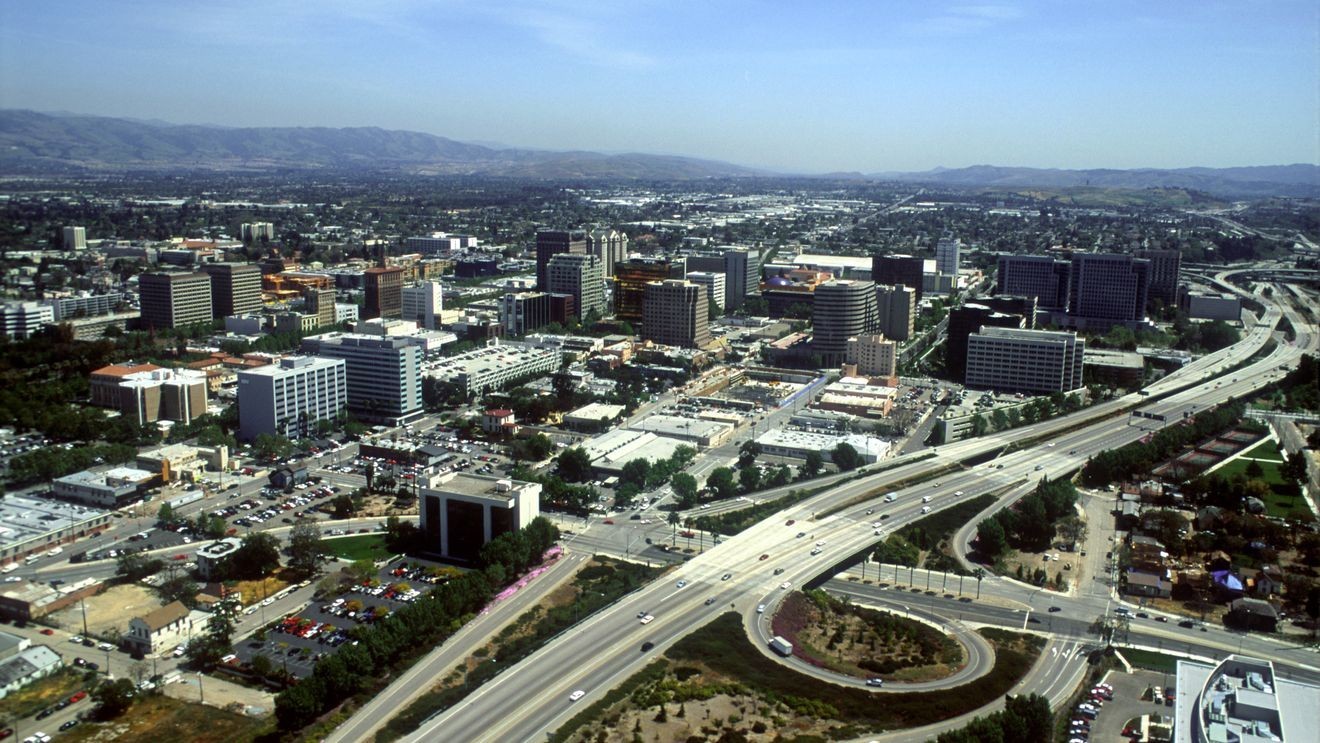
Among the big cities in the worst position, the report lists San Jose, California; Portland, Oregon; Indianapolis, Indiana; and Baltimore, Maryland.
In Portland, City Council President Jamie Dunphy said the city’s infrastructure needs are pressing.
“Our roads are in terrible condition,” Dunphy said.
Dunphy says the council will receive a report later in the year that outlines the most pressing needs in Portland. From there, he hopes they can formulate a plan that addresses the most pressing needs the area faces.
“We can’t start thinking about meaningfully moving towards new, exciting, fun things. We have to just take care of the things that we already have. That is the number one priority,” Dunphy said.
The city of Baltimore responded to the report in the following statement.
“Baltimore’s neighborhoods, economy, and quality of life depend on well-maintained infrastructure, and this report underscores the need for continued infrastructure investments. While Baltimore under Mayor Scott has made significant progress in tackling infrastructure challenges, there is more to be done. As laid out in the City’s 10-Year Financial Plan, Mayor Scott will continue making smart investments that address the City’s aging infrastructure while driving economic development in every corner of Baltimore.”
“As a historic East Coast city that continues to adapt around the impact of centuries-old urban planning decisions, many factors have impacted Baltimore’s infrastructure needs. However, likely none are more consequential than the decisions made by the State of Maryland under prior administrations to slash Baltimore’s Highway User Revenue funding following the Great Recession. This decision alone cost the City nearly $1 billion in funding over the last 15 years, forcing us to defer critical maintenance and adjust operations, while continuing to be the sole jurisdiction in the state required to maintain every roadway in our borders. Mayor Scott will continue fighting at the state level to maintain and restore Baltimore’s share of HUR funds.”
The report lists Jacksonville, Florida, and San Francisco, California, as the cities in the best position to cover future infrastructure costs. It says Jacksonville has benefited from a voter-approved half-cent sales tax dedicated to infrastructure, federal stimulus funding, and repairs following recent hurricanes.
The report also compares the growing infrastructure burden to the pension challenges many cities have faced, when true pension liabilities were not fully reflected on balance sheets. As accounting rules changed, cities were forced to confront the shortfalls, often by cutting services and raising taxes.
The consequences of delaying repairs could be significant. About one out of every three bridges in the United States needs repair or replacement, and the report warns that future demands — including the expected growth of AI data centers — could strain the electric grid and increase water needs. Watchdogs caution that postponing fixes can make them far more expensive once problems can no longer be deferred.

 Local Story