Safety Concerns Mount as Maryland Judge’s Ruling Allows Juvenile Sex Offender Back in Schools
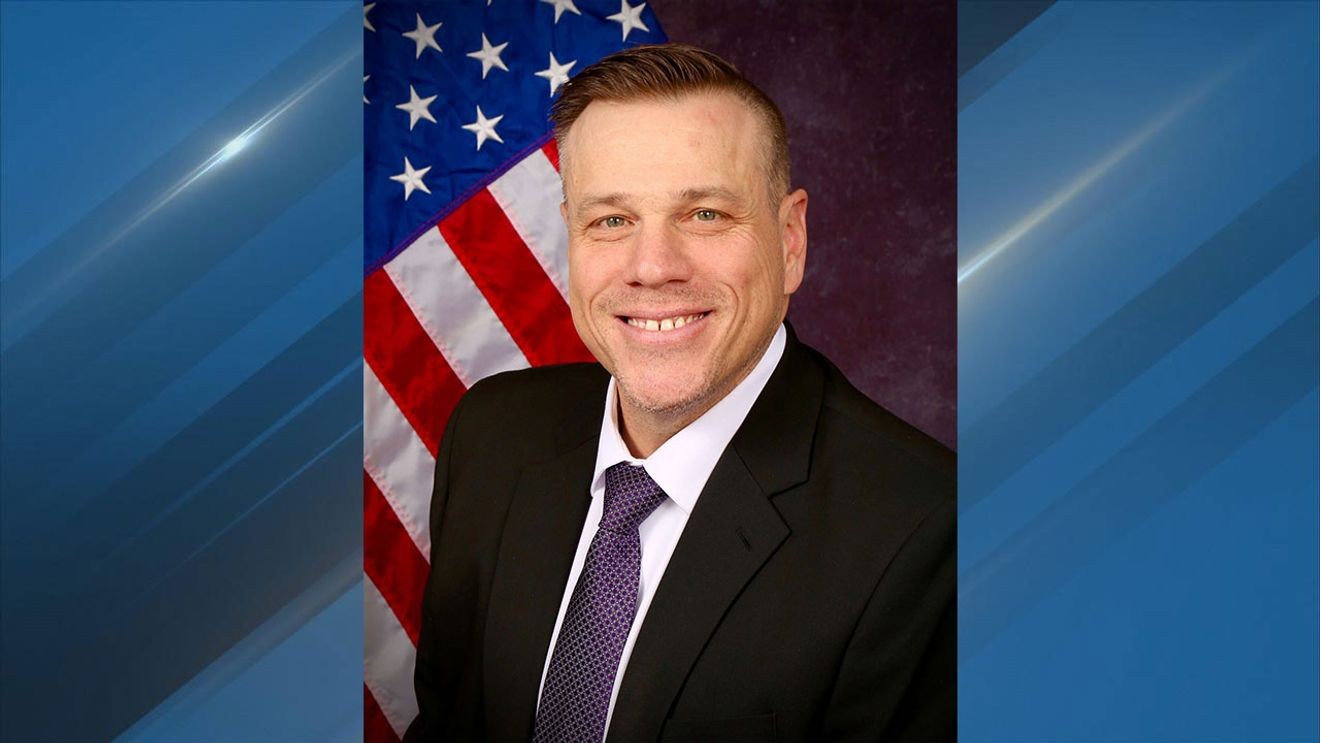
A controversial ruling by Baltimore City Judge Charles Blomquist has sparked outrage and prompted swift action from state education officials to protect student safety. The judge’s decision to end probation for a convicted juvenile sex offender after just one year has exposed dangerous gaps in Maryland’s school safety protocols.
In a ruling that critics say prioritizes a criminal’s educational preferences over public safety, Judge Blomquist removed a juvenile offender from the sex offender registry despite his guilty plea to multiple sex offenses, including second-degree rape. The ruling enables the offender to leave virtual learning and return to in-person classes among unsuspecting students.
The judge’s office, housed in the Baltimore City Juvenile Justice Center, has remained notably silent on this decision. When approached for comment, Judge Blomquist, who was elected in 2022, has repeatedly declined to explain his controversial ruling to the public.
Sources familiar with the case reveal that the judge’s decision was influenced by the public defender’s argument that the offender was “not doing well” in virtual learning – a justification that critics say dangerously minimizes the severity of sexual assault and the safety of other students.
Responding to public safety concerns, the Maryland State Board of Education has taken decisive action. The board unanimously passed new regulations requiring school systems to share information about students with serious criminal records when they transfer between districts. Dr. Joshua Michael, President of the State Board, emphasized the urgency of their response to this dangerous situation.
State Superintendent Dr. Carey Wright’s previous guidance on sharing student criminal records has now been elevated to a regulation with the force of law. Schools that fail to comply risk losing state funding – a measure that underscores the serious nature of this public safety issue.
However, significant loopholes remain. The regulation only requires notification of school leadership, leaving parents and students in the dark about potential threats in their classrooms. Even more concerning, the requirements don’t apply to private schools, creating a dangerous blind spot in the system.
Baltimore City Schools appears constrained in its ability to protect students, acknowledging they cannot legally prevent the offender from returning to in-person learning. While the district claims it can implement “safety accommodations,” critics argue these measures are insufficient given the serious nature of the crimes committed.
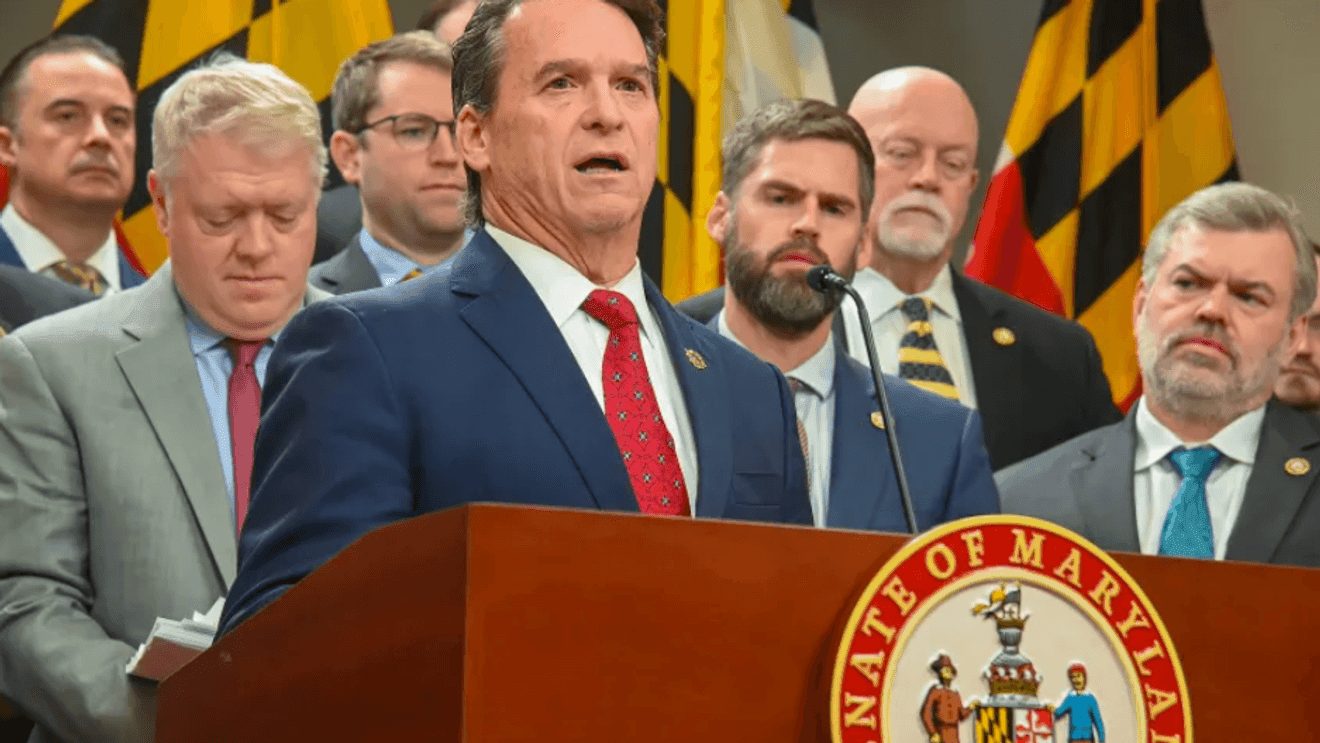
The case has galvanized state lawmakers, who are now advancing multiple pieces of legislation to address these dangerous gaps in student protection. Their efforts represent a growing recognition that current policies may be putting political correctness ahead of student safety.
This situation highlights the critical need for a tougher approach to juvenile sex offenders and raises serious questions about judicial decisions that appear to prioritize offender rehabilitation over public safety. As one concerned parent noted, “Our children’s safety should always come first.”
Lawmakers’ response to this case may signal a turning point in how Maryland handles juvenile sex offenders in educational settings, potentially leading to stronger protections for students and greater transparency for parents.

 Local Story