MARYLAND (WBFF) — Loud music blares from the back of the bus. A passenger rolls marijuana into a cigarette in plain view. Another drinks alcohol during the ride. One rider curses loudly at his young daughter. Another smokes crack. A woman intentionally urinates on the floor.
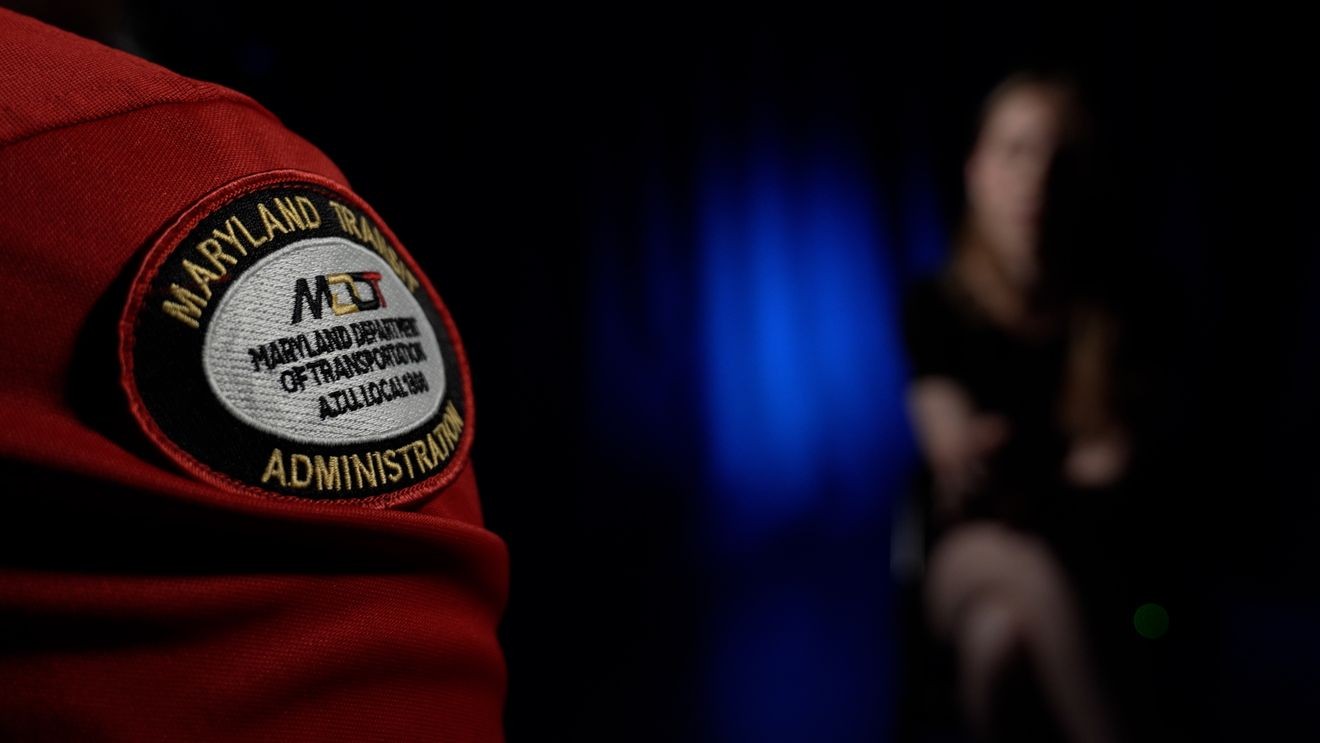
A bus driver, employed by the Maryland Transit Administration, shares the scenes that have become an unfortunate part of his workday. He believes many of these problems begin before the bus leaves the stop.
He claims passengers routinely board Baltimore buses without paying fares and said drivers are instructed to announce the fare but not stop riders who refuse to pay.
“They are basically saying, ‘Shut up and drive,'” the driver told Spotlight on Maryland during an interview. “Don’t engage. Don’t worry about nothing. Don’t say nothing.”
The driver, whose identity is being withheld because he is a current state employee, spoke on the condition of anonymity.
His allegations come days after a Spotlight on Maryland investigation documented widespread fare evasion on Baltimore’s Metro Subway, where open fare gates and inconsistent staffing allowed riders to enter stations without paying.
The investigation prompted emails and social media comments from viewers and riders.
“My first time riding was going to jury duty. The attendant yelled at me to just go through when I asked how to use it,” one person wrote on Spotlight’s Instagram post.
“Open fare gates are not accidental,” another wrote on FOX 45’s website. “Light rail is even worse.”
“Too many believe they deserve ‘free’ stuff,” said another user.
Some folks on social media said public transit should be free since it’s paid for by tax dollars. Others wrote to Spotlight on Maryland wondering why this was a story: “(T)hey’re investing millions to take (people) to and from work to keep the economy strong. Let’s not focus on the little things right now.”
The driver says fare evasion extends far beyond the Metro Subway.
“If y’all surprised by how many people walk through the subway,” he said, “y’all would really be surprised at how many people would just walk on the bus.”
The driver stressed that his biggest concern is not the fare itself, which costs $2 for a one-way pass and $4.60 for a one-day pass.
Instead, he said, the lack of enforcement has created an environment where rules are routinely ignored, leaving operators to manage disruptive behavior while being discouraged from confronting passengers.
Spotlight on Maryland asked the Maryland Transit Administration to respond to the driver’s allegations, explain its fare enforcement policy, estimate how much revenue it loses to fare evasion and detail what steps it is taking to address the issue.
The agency shared in a statement that “fare evasion is not permitted” but acknowledged bus operators are “instructed to prioritize safety and continue service rather than escalate a situation” if a person refuses to pay.
‘We can’t enforce the fare’
The driver said operators are instructed to announce the fare as passengers board.
But the interaction typically ends there, according to the driver.
“We are supposed to state the fare when they walk past – ‘Fare is $2’ – but we can’t enforce the fare,” he said.
If passengers ignore the announcement and continue onto the bus, he said operators are expected to keep driving.
“The fare box is there for a reason,” he said. “As far as the MTA is concerned, their motto is just to let them ride.”
According to MTA, “bus operators are responsible for announcing fares and encouraging compliance with fare payment requirements, but they are not expected to physically intervene or engage in confrontations with passengers over fare disputes.”
The driver said he understands the agency’s concern that disputes over fares could escalate into confrontations but believes the current approach has effectively made payment optional.
“I understand the safety concern,” he said. “But y’all have rules in place for a reason. There’s a code of conduct that’s literally posted on the bus. If you’re not going to enforce the rules, why even have them?”
He said operators who argue with passengers over fares or other violations risk disciplinary action.
“I literally can get written up and taken out of service,” he said.
Over time, he said many operators simply stop trying.
“Nobody’s paying,” he said. “That’s the main thing most bus operators talk about and complain about.”
MTA notes its police officers conduct “routine bus checks by meeting with bus operators during their route to discuss any safety or security concerns.”
Part of an officer’s job is to address code of conduct violations through target patrols. A person can be removed from public transit, given a citation, arrested or even banned if they break the rules. Activities such as smoking, littering, drinking alcohol, disruptive behavior, and harassment are prohibited.
“Our goal is to improve fare compliance while maintaining a safe environment for both employees and customers,” the agency said.
‘Fare Required’
Electronic signs mounted on the front of MTA buses display a simple message: “Fare Required.”
The driver laughed when asked about it.
“That means nothing,” he said. “Fare required is actually fare optional.”
He said he initially believed the signs signaled that MTA planned to increase enforcement.
“When I saw that, I thought they were going to start really enforcing the fare,” he said. “Everybody sees it, but you still don’t pay the fare. What’s the point in putting it up there?”
Driver says fare evasion has become the norm
The driver estimated that only about 15% to 20% of passengers pay to ride the bus.
Spotlight on Maryland could not independently verify that estimate.
MTA said it tracks “fare revenue and monitors fare evasion as part of its operational and financial oversight” but does not have an annual estimate available to share of any revenue lost to fare evasion.
“Estimating revenue lost specifically due to fare evasion is complex, as not every instance can be directly observed or quantified,” the agency said.
He said there have been entire trips where no one paid and recalled only one shift during which every passenger paid.
“I got lucky one time,” he said. “I told somebody, ‘I don’t know what’s going on today, but everybody paid to get on the bus.'”
He described that experience as “a shocker.”
“It was amazing,” he said. “You don’t get too many of them days.”
According to the driver, fare evasion has become self-perpetuating.
“Once people start seeing that other people are doing it, then they just start doing it,” he said.
Throughout each shift, operators record whether passengers pay by pressing buttons on the fare box.
The driver said he spends far more time pressing the button that records unpaid fares than the button indicating someone paid. The button numbered “nine” is for unpaid fares; the “five” button is for paid fares.
“You are hitting that button more than you hitting the five,” he said. “Nine, nine, nine all day.”
More than lost revenue
The driver repeatedly emphasized that his frustrations extend well beyond the money.
He believes the passengers who bypass the farebox are more likely to create problems onboard.
Among the issues he described were loud music, smoking marijuana, drinking alcohol, verbal confrontations and other disruptive behavior.
“Majority of the problems that you get from people are from people that don’t pay the fare,” he said.
He acknowledged that many paying customers simply board, ride quietly and leave without incident.
“The majority of the people that actually pay to ride the bus, they literally get on the bus, have a seat, get to their stop and get off,” he said.
The Transportation Trust Fund debate
The interview comes as Spotlight on Maryland continues examining how Maryland spends money from its Transportation Trust Fund.
Previous reporting found that although only about 5% of Maryland commuters use public transportation, transit receives the largest share of Transportation Trust Fund spending.
The bus driver said he supports investing in transit and has seen improvements to MTA’s fleet, including newer buses and equipment.
“I guess they got some new buses,” he said. “The equipment is good.”
But he also drives a personal vehicle and said he recently had to replace a damaged axle after hitting a pothole.
He believes fare revenue could help reduce the financial burden on taxpayers if more riders paid.
“If people paid their fare,” he said, “you wouldn’t have had to put as much money into public transportation.”
New leadership at MTA
The interview comes during a period of transition for Maryland transit.
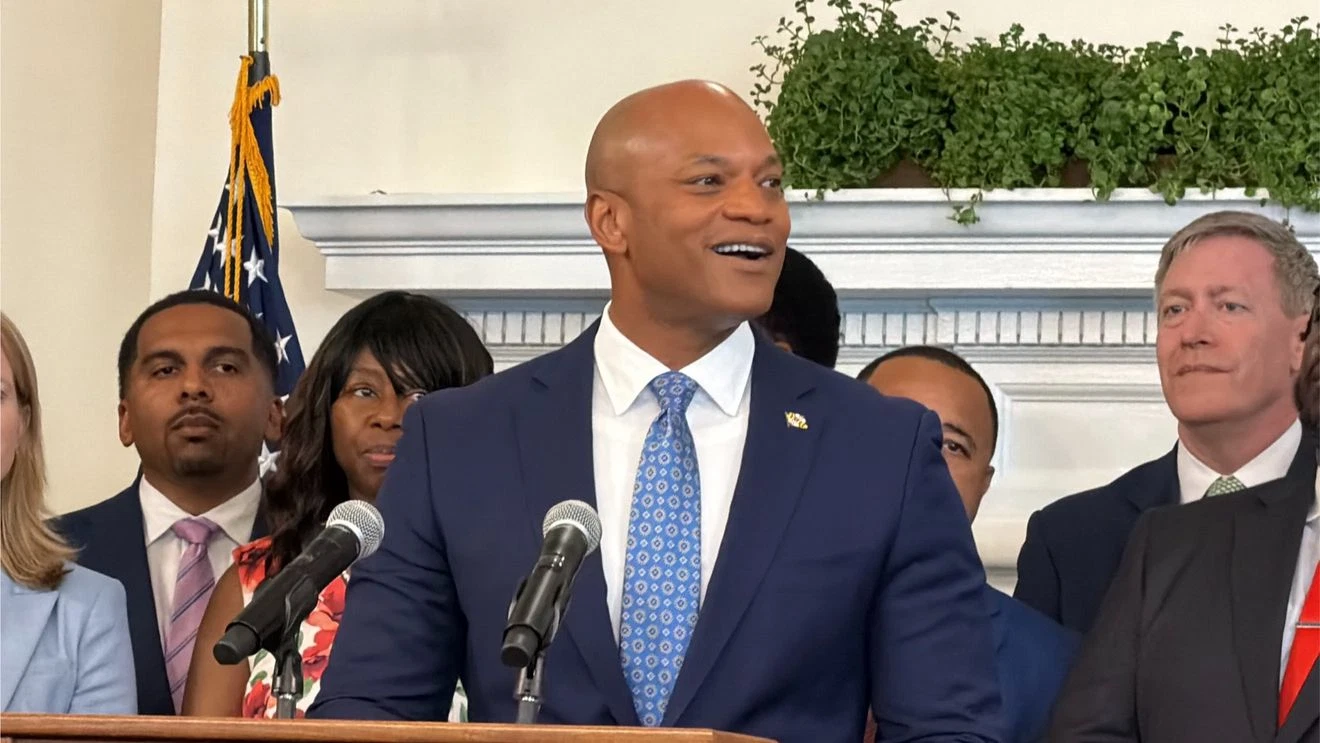
Former MTA Administrator Holly Arnold recently announced she would step down after five years leading the agency. Gov. Wes Moore has selected former Del. Tony Bridges, a Baltimore Democrat, to serve as the agency’s next administrator.
The driver said he hopes the leadership change brings renewed attention to fare enforcement and the concerns operators have been raising.
“I just think all around MTA needs to start enforcing their rules and enforce their fares,” he said.
For him, the issue is ultimately about restoring confidence in the transit system.
“People pay for what they care about,” he said. “They don’t care about the bus service.”
Spotlight on Maryland is a collaboration between FOX45 News, WJLA in Washington, D.C., and The Baltimore Sun. Have a story tip? Email spotlightonmaryland@sbgtv.com or call 410-467-4670. Investigative reporter Tessa Bentulan can be reached at tbentulan@sbgtv.com.
 Local Story