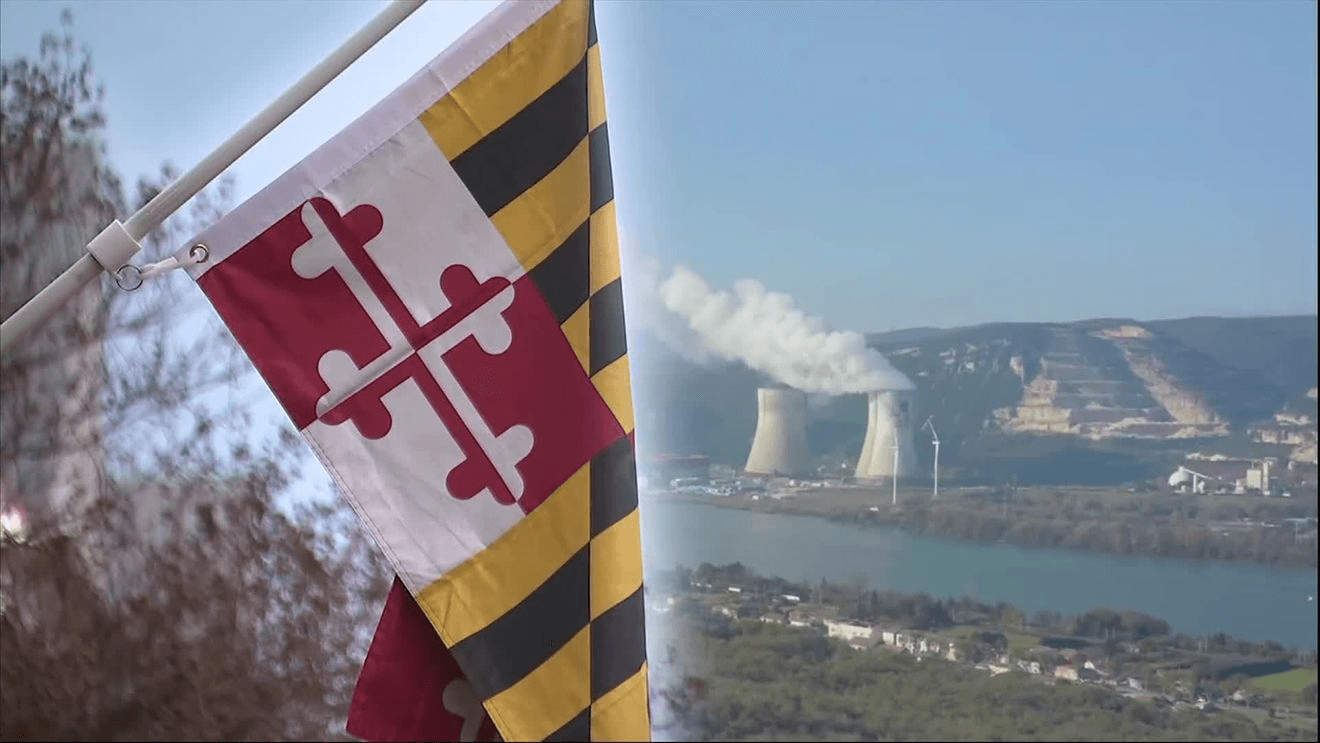
(WBFF) — Governor Wes Moore once again addressed Maryland’s high utility prices during a recent CBS News Town Hall.
“People who are saying, I don’t understand how my energy bill went from $250 to $800 it’s not fair,” Governor Moore said.
ALSO READ | Gov. Moore says he won’t run for president in 2028 at town hall focused on national issues
The higher energy prices are driven by several factors, including rising supply prices. The supply prices have increased largely due to supply and demand issues, with data centers driving a large share of that. Distribution fees set by utility companies have also increased.
“It just seems so defeating, because we can’t figure out where how to cover this expense when it shouldn’t even it seems like it shouldn’t even be that astronomical,” said resident Sima Golden, who is struggling with rising energy bills.
“I don’t know how to control the situation. So it’s very, very terrifying. Where is the money going to come from?” she added.
“The solutions that we have put on board, you know, when it comes to things like energy, you know, we’ve provided last year, $200 million in rebates to Marylanders to make sure we’re putting more money back in their pocket,” Moore added.
Last year, state officials approved two energy rebates valued around $40 for customers, and another energy rebate is being proposed this year as part of Governor Moore’s proposed energy legislation. His proposed bill also includes allocating funding toward certain clean energy projects, improving infrastructure and removing certain financial incentives for utility companies. It’s not clear if legislation proposed this year will pass.
However, many Republicans have been critical about the rebate, saying it doesn’t provide much relief, especially since the funds are coming from the Strategic Energy Investment Fund.
“Politicians love to shuffle your own money around and make you feel good about it, but it really has absolutely no bearing on the problem whatsoever,” said Rodger Bayne, a Baltimore County Resident.
During the town hall, when asked about energy solutions, Governor Moore also discussed steps he was taking to address challenges at PJM, the regional grid operator.
“We need more projects being greenlit,” Moore said. “The second thing we called for was we want them to have a two year cap on costs, that we want them to cut costs, cut the cut the increase in cost for two years, because they have got to understand their own responsibility in this.”
Last week, the Moore administration announced that PJM released a decision to extend the capacity market price cap through the end of the decade, which will in turn save Marylanders money on their energy bills.
ALSO READ | PJM price cap extension through 2030 projected to save region $27B, Gov. Moore says
While Governor Moore has been critical of PJM, during recent hearings, officials with PJM have been clear that state governments are also responsible for resource adequacy.
“When you take a look at the state collective policy basket, you do have to question whether or not the states are welcoming of thermal generation resources, for instance, natural gas resources,” PJM Interconnection Executive Director Jason Stanek said.
During a January 30 legislative hearing in Annapolis, Stanek, speaking before lawmakers said, “what you see in the inset is concerning, because Maryland has retired in recent years about 6000 megawatts of thermal resources. So these are mostly fossil fuel resources, and the additions have been dwarfed by their retirements.”
Republicans have also been critical of Maryland’s clean energy focus, and goals to drastically reduce emissions in the state. Previous goals laid out by the governor include reaching reach net zero emissions by 2045.
“This administration shut down reliable, affordable generation, while forcing Maryland to depend on out of state power, power we now buy at higher prices,” Senate Minority leader Stephen Hershey said in his response to Governor Moore’s State of the State address. “We replace common sense energy policy with mandates that sound good in press releases, but hit families in their wallets every single month.”

 Local Story