The Scott Jennings Show
8:00 pm - 10:00 pm
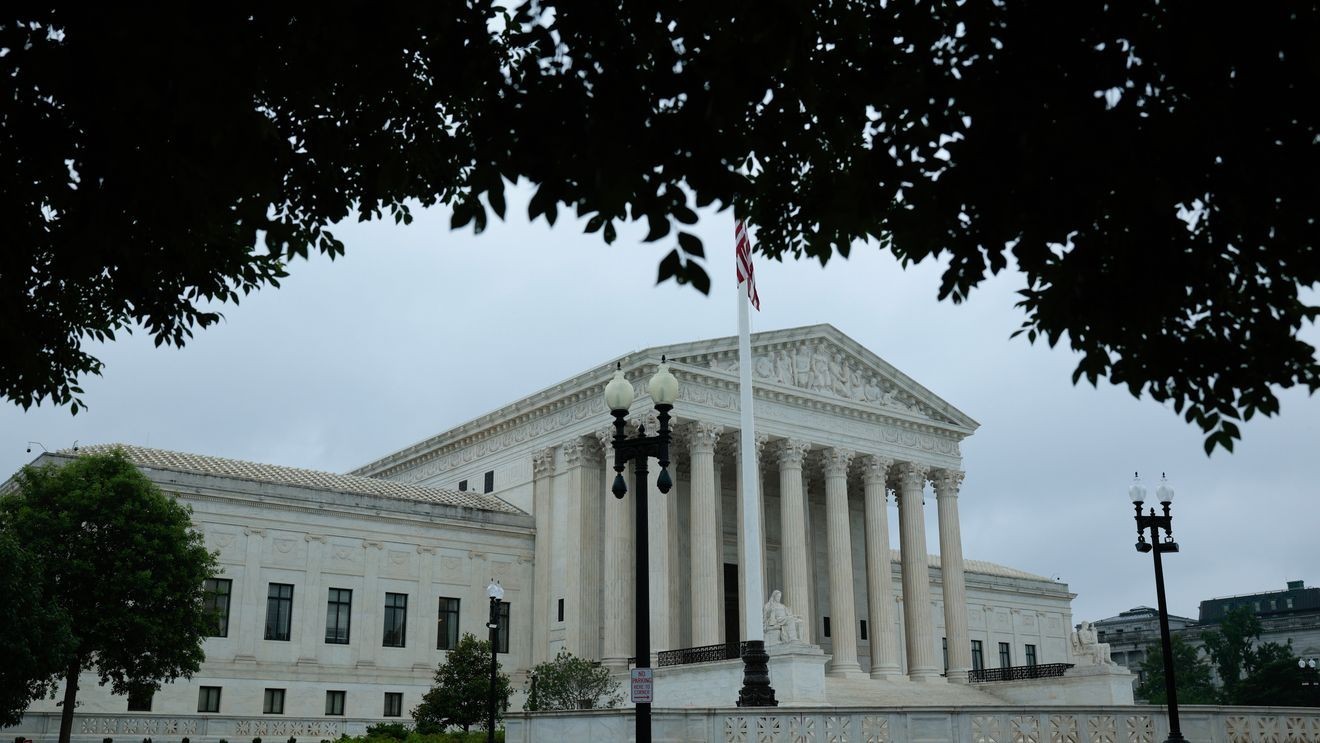
WASHINGTON (TNND) — The Supreme Court ruled against President Donald Trump’s attempt to overturn birthright citizenship, dealing a blow to his plans to crack down on immigration in the United States.
In a 6-3 ruling, the Supreme Court ruled Trump’s executive order is unconstitutional.
Birthright citizenship grants anyone born in the United States American citizenship, regardless of their immigration status, with some exceptions for children of foreign diplomats. It became law in 1868 with the ratification of the 14th Amendment in the aftermath in the civil war.
It was expanded in the late 1800s when the Supreme Court ruled a man born in the U.S. to Chinese parents had a right to U.S. citizenship. The high court has made rulings in later cases that anyone born in the country is a citizen regardless of their parents’ immigration status.
The 14th Amendment says, “all persons born or naturalized in the U.S., and subject to the jurisdiction thereof, are citizens of the United States.” Lower courts and the Supreme Court have accepted the interpretation to mean that anyone born in the U.S. gets citizenship regardless of their parents’ legal status.
Trump signed the executive order hours after returning to office seeking to deny citizenship to any child born after it takes effect whose parents aren’t in the country legally. His order and administration lawyers argued children born to parents who are not in the country legally or only have temporary status are not “subject to the jurisdiction thereof,” and are therefore ineligible for citizenship.
It would also prevent agencies from issuing documents or accepting state documents recognizing citizenship for them.
Several states quickly sued over the order and district judges in three states quickly ruled it was unconstitutional, keeping it from taking effect.
Trump has framed birthright citizenship as a “magnet for illegal immigration” and claimed it fuels a practice known as “birth tourism,” where noncitizens come to the country just to give birth.
Dozens other countries have laws similar to the U.S. granting citizenship for all children born inside their borders, though some are more conditional than the American law. Outside of the Americas, most countries use a legal principal called jus sanguinis, or “right of blood,” where a child’s citizenship is inherited from its parents no matter where they are born.
The ruling comes on the heels of two others from the Supreme Court that will allow the administration to move forward with a plan to overhaul the asylum system and expel immigrants who came to the U.S. from troubled countries.
In one case, the court ruled the administration can cancel humanitarian relief for Haitians and Syrians, putting 1.3 million beneficiaries of temporary protected status at risk of deportation. The other decision will allow border agents to block migrants from entering the country to apply for asylum.

 Local Story