BALTIMORE (WBFF) — Maryland is collecting federal benefits belonging to some of its most vulnerable foster children and using it to reimburse itself for the cost of their care.
The state collects the benefits on their behalf and can redirect portions of those payments toward foster care expenses.
Now, as federal officials pressure Maryland to end the practice involving Social Security survivor benefits, a national child advocate says the problem goes much further, and the state needs to stop using federal benefits belonging to foster children to pay for their care.
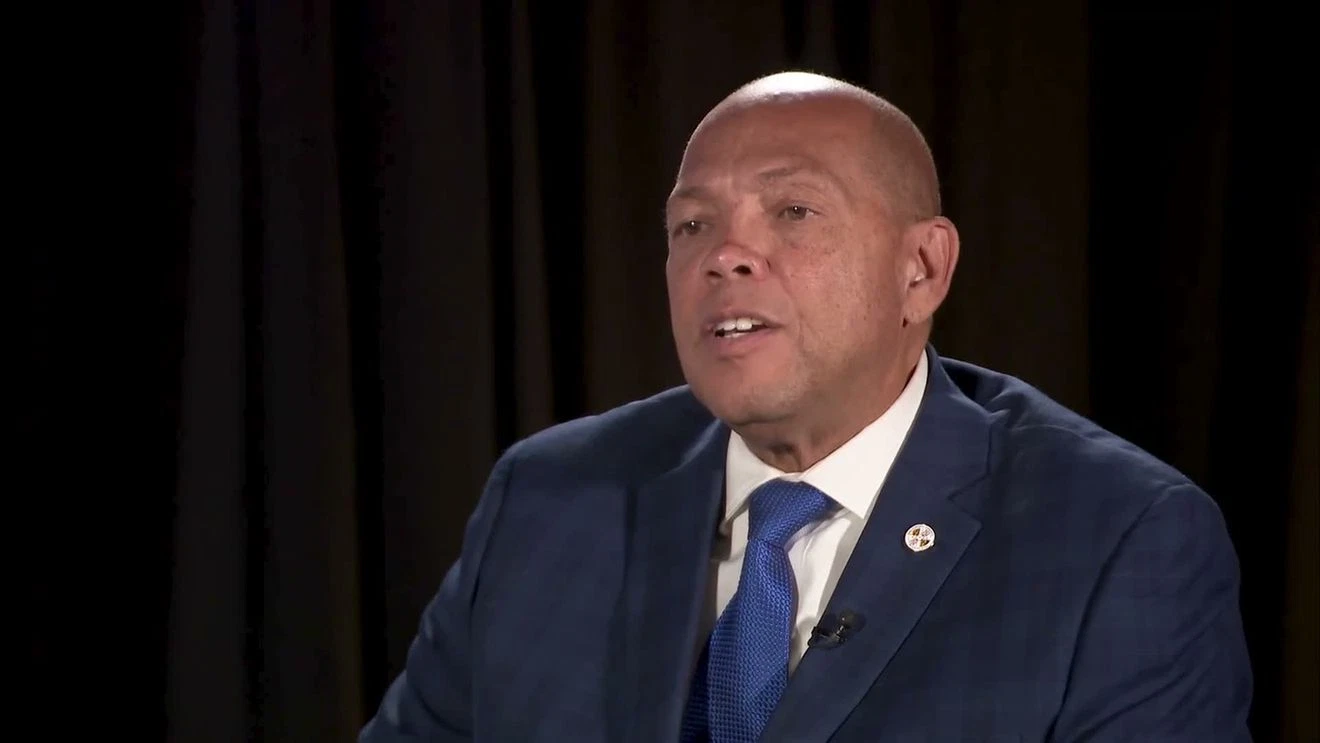
“This is a massive government overreach and abuse of fiscal duties owed to vulnerable children in foster care,” said Amy Harfeld, national policy director for the Children’s Advocacy Institute.
Harfeld joined FOX45 News In Depth with Mikenzie Frost to discuss the practice, which extends beyond the so-called “orphan tax” to include Supplemental Security Income, SSI, for children with disabilities and certain benefits connected to military service.
According to the U.S. Department of Health and Human Services, Maryland is one of nine states that have not ended or substantially reformed the diversion of survivor benefits. The agency recently sent Gov. Wes Moore a letter urging him to end the practice.
Harfeld estimates between 5% and 10% of foster children are eligible for or receiving some form of federal benefits. That money, Harfeld argues, belongs to the children and should be used for their individual needs or saved for their future, not collected by the state to offset its own expenses.
“Survivor benefits could be conserved until they leave care if all of their needs are met while they’re in foster care,” Harfeld explained.
But she said the benefits could also provide opportunities the foster care system might not otherwise fund.
“They might need those funds to pay for something like a summer camp or a special leadership program or maybe even a soccer club,” she said.
For children with disabilities, Harfeld said the financial consequences can be especially significant. Because foster children are generally eligible for Medicaid, she said their SSI benefits could instead be used for additional services or saved to help them transition into adulthood.
“We know that disabled foster youth who leave care face a uniquely difficult set of hurdles to achieve economic self-sufficiency,” Harfeld said.
Maryland became the first state in the country to enact legislation protecting some federal benefits belonging to foster children in 2018. But Harfeld said those protections now fall short of reforms adopted elsewhere.
“It was a great bill at that time, but passed in 2018. Now it’s inadequate because it really only goes halfway,” she said.
Under Maryland’s current law, the Department of Human Services can use certain federal benefits to reimburse itself for foster care expenses. The law requires the department to preserve a portion of those benefits for children beginning at age 14, with the percentage increasing as they get older.
During the 2026 legislative session, lawmakers introduced House Bill 768 and Senate Bill 658 to expand those protections.
The proposals sought to prevent the state from using children’s federal benefits to reimburse itself for their care, instead requiring the money to be used for unmet needs or saved for the future.
HB 768 passed the House unanimously, 133-0, but stalled in the Senate.
In a statement to FOX45 News following the HHS letter, Maryland DHS defended its existing protections and involvement in the legislative process.
“Maryland was the first state in the country to set aside supplemental security income and other federal benefits on behalf of youth in our care, and conserve those resources for them until they leave our care,” said Ben Shnider, the department’s director of communications and senior adviser to the secretary.
Shnider said DHS provided technical assistance as the legislation was drafted and submitted testimony during the legislative session.
“We will continue working with the legislature to identify the best ways to serve our youth while being fiscally responsible, so those systems are sustainable,” he said.
Harfeld pushed back on that explanation.
“First, we need to be fiscally responsible as it concerns the vulnerable children who are actually the owner of these assets,” she said.
Harfeld said 13 states have adopted comprehensive legislation protecting federal benefits belonging to eligible foster children of all ages.
She pointed to Kansas as an example, explaining that its law requires agencies to screen children for eligibility, notify children and their attorneys about benefits, preserve the funds for the children and provide financial education.
But Harfeld believes reforms should go even further.
“A really good bill would also include what foster youth identify as their top priority in fixing this, which is to allow for some way for them to get their money back,” she said.
The federal government is also pushing for change. HHS says governors can end the diversion of survivor benefits through executive action without waiting for legislation.
Harfeld hopes Moore will take that step.
“We are very hopeful that the governor’s office will, in fact, take on an executive order to stop this practice, which he can do out in front of the legislature instead of waiting for them again,” she said.
The Moore administration has not directly answered FOX45’s question about whether the governor will issue an executive order.
Follow Political Reporter Mikenzie Frost on X and Facebook. Send tips to mbfrost@sbgtv.com.
This post was originally published on Fox 45 by Sinclair Media Group.
 Local Story