The Scott Jennings Show
8:00 pm - 10:00 pm
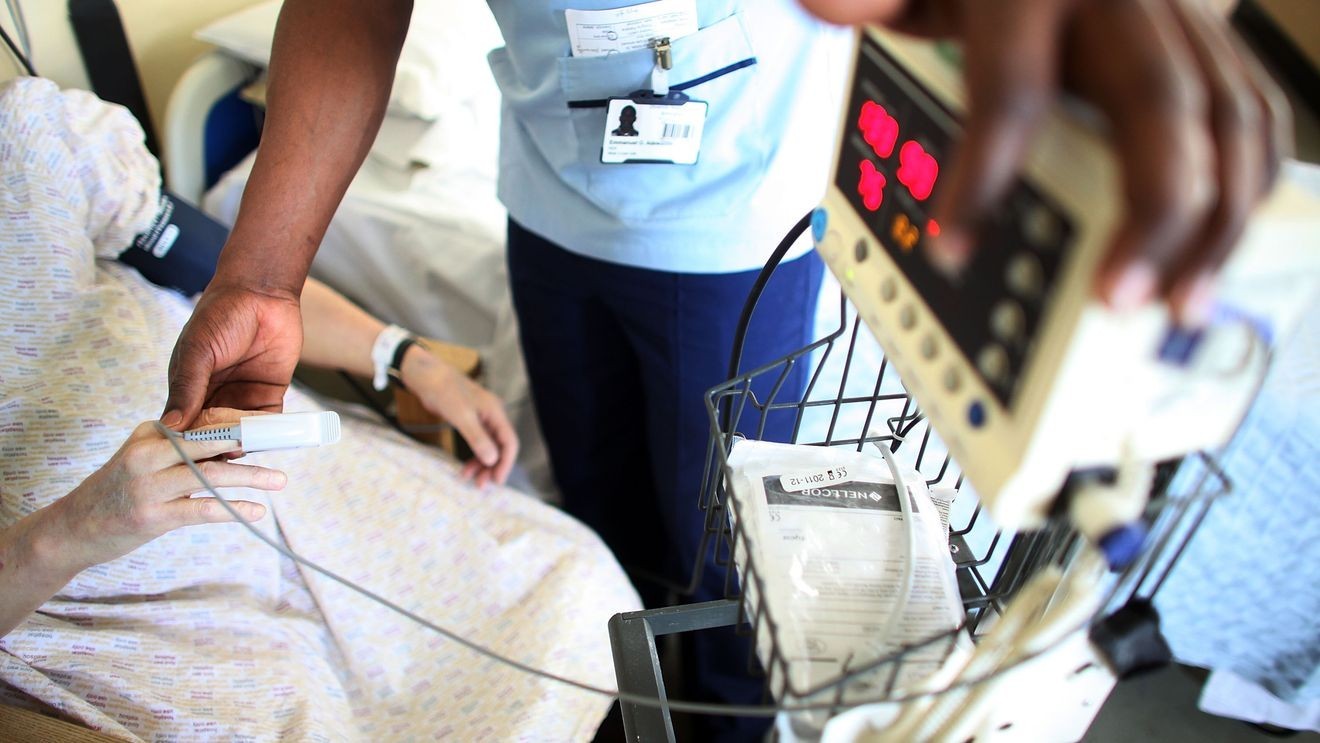
WASHINGTON (TNND) — Major health insurance CEOs were in front of lawmakers for back-to-back grillings on the cost of care as lawmakers try to grapple with how to lower prices and deal with an industry they see as ripping off Americans to pad corporate profits.
Thursday’s hearings with two House committees with the leaders of UnitedHealth Group, CVS Health Group, Cigna Health Group, Elevance Health and Ascendiun are the first in what is expected be a series of them aiming to understand the “root causes” of escalating costs for healthcare.
The hearings come as millions of Americans are facing premium spikes with the expiration of the Affordable Care Act subsidies with progress on an extension stalling out. Premiums for employer-provided insurance plans and Medicare are also on the rise.
A three-year extension of the subsidies passed the House with 17 Republicans voting in favor of a Democratic-led discharge petition to get around GOP leadership’s objections, but the bill has been stonewalled in the Senate. A bipartisan group of senators had been negotiating a compromise plan to address the expired subsidies since before the holiday break but left town last week without a deal.
Negotiations on the long-shot deal appear to have fizzled out amid disagreements on further restrictions to abortion care demanded by Republicans. Most Republicans wanted the funds to stay expired, and President Donald Trump has bashed the subsidies as a “flagrant scam.”
Republican disdain for the ACA was evident during lawmakers’ remarks to the insurance CEOs, where multiple lawmakers said it helped drive up costs for care.
“When Democrats passed Obamacare without Republican support, they sold the bill on the promises that premiums would fall, competition would rise, and if you like your insurance plan, you can keep it,” said Rep. Morgan Griffith, R-Va. “Instead, Obamacare has increased healthcare costs, warped incentives, federalized benefits, restricted plan design and limited access to care.”
Trump released his own healthcare blueprint earlier this month that was light on details but included his priorities on reducing costs like reducing drug prices, lowering insurance premiums and improved transparency in pricing. It did not include an extension of the ACA subsidies or make any changes to Medicare or Medicaid.
The president has targeted “BIG, BAD Insurance Companies” in recent weeks as he has sought to get movement from Republicans in Congress to lower costs that he says have been “ripping off the public for years.” A piece of his “Great Healthcare Plan” was to “hold big insurance companies accountable.”
The health industry has been in a years-long blame game over which piece of it is responsible for driving the cost of care consistently higher. Hospitals and doctors blame insurance companies for stringent documentation requirements and other policies that drive up costs, while insurers claim hospital systems and drugmakers are charging more for care and medication, leaving them no choice but to increase premiums.
Multiple executives told lawmakers that there is abundant competition in the health insurance industry that is keeping premiums from jumping even higher and pointed blame at rising costs for care and medication for increased expenses.
“Cost of health care insurance fundamentally reflects the cost of health care itself, it is more an effect than a cause. If insurance costs are going up even as we compete aggressively against other companies, it signals rising costs of health services drugs and rising volumes of care activity,” UnitedHealth Group CEO Stephen Hemsley said.
But lawmakers were not buying it, pointing to years of mergers between healthcare companies that has resulted in insurers, hospital systems and pharmacy benefit managers owning multiple pieces of the ecosystem that researcher has found reduced competition and driven up costs for patients. A bipartisan coalition of lawmakers are making a push to force healthcare companies that own insurers or PBMs to divest from their pharmacy businesses in a far-reaching move that would force some of the largest conglomerates to sell off key pieces of their business.
“American families are being crushed by health care costs, and the failures of Obamacare and insurance companies sit at the very center of that system,” said Rep. Diana Harshbarger, R-Tenn. “There’s a real concern when a single corporation controls coverage, pricing, dispensing and care decisions. When that level of vertical integration exists, competition erodes and patients end up paying more. That’s just a bottom line.”
Lawmakers also blasted the executives for lavish compensation packages that come as Americans are being stuck with higher costs for care and medication.
“All of you are posting record profits, improving millions of dollars’ worth of CEO compensation, packages, executive bonuses and paying your shareholders,” said Rep. Debbie Dingell, D-Mich. “The American people deserve better.”
Others asked the CEOs to defend their compensation levels while so many Americans struggle to afford basic care.
“The system is failing the people it’s meant to serve, and that is the patients,” said Rep. Buddy Carter, R-Ga. “How do you justify getting paid that much when so many of your patients struggle to afford skyrocketing premiums?”
Democrats also railed against Republicans throughout the hearing for allowing the subsidies to expire and the party’s criticisms of the ACA.
“Make no mistake, congressional Republicans and President Trump are to blame for the health care affordability crisis Americans are experiencing today, and it’s only going to get worse. That’s because Republicans are sabotaging our nation’s health care system, driving up costs, taking away coverage, and undermining access to care at every turn,” said Rep. Frank Pallone, D-N.J.

 National Headline