Purity Products
7:30 pm - 8:00 pm
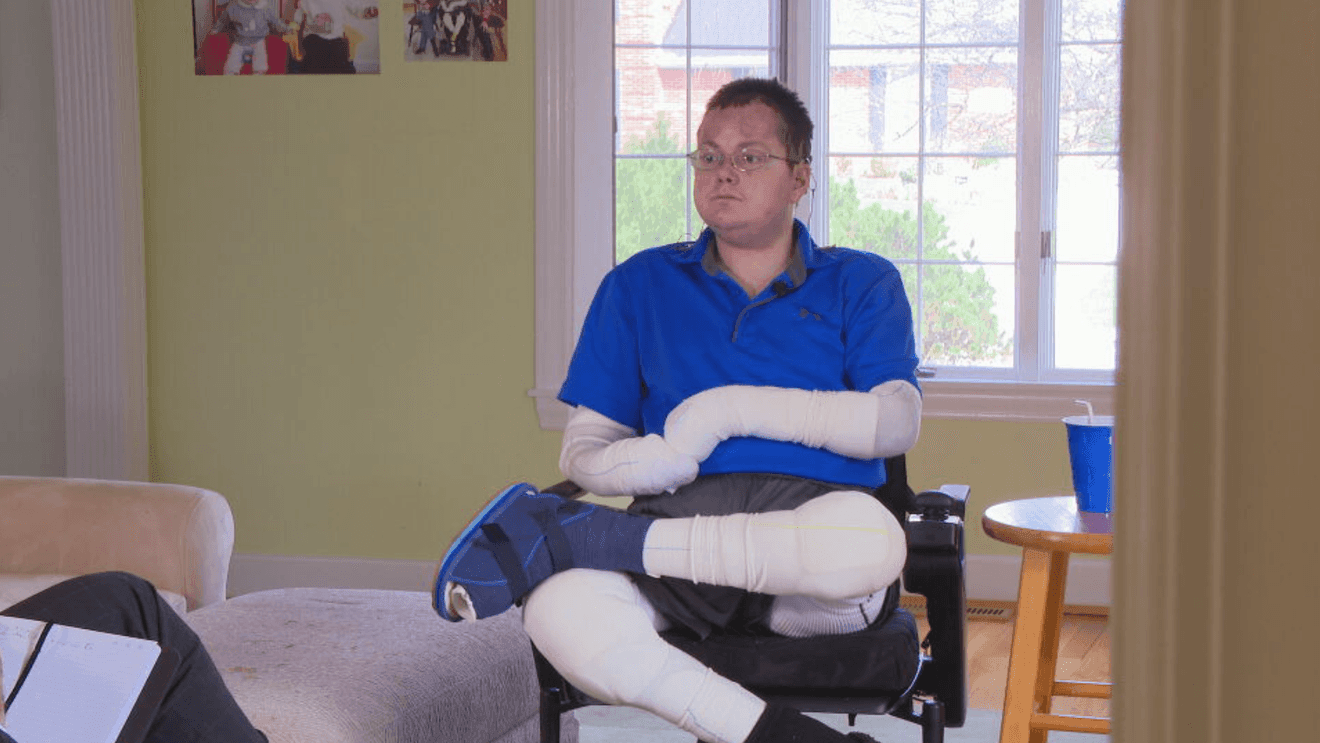
MONTGOMERY, Ohio (WKRC) — An Ohio man born with a rare genetic disorder that leaves skin as fragile as a butterfly’s wing has helped inspire federal legislation aimed at reducing the high cost of care for families nationwide.
Shane DiGiovanna was born with epidermolysis bullosa, or EB, a condition he said is “often called the worst disease you’ve never heard of.” He said it is also known as “the butterfly disease because, you know, the idea is that people with EB, their skin is as fragile as a butterfly’s wing.”
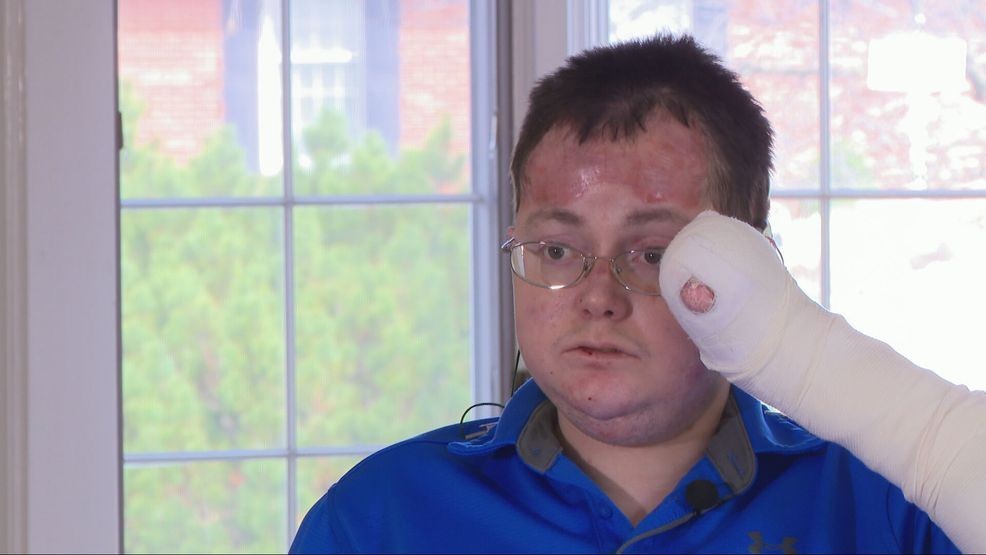
A Montgomery man born with a rare genetic disorder that leaves skin as fragile as a butterfly’s wing has helped inspire federal legislation aimed at reducing the high cost of care for families nationwide. (WKRC)
EB prevents the body from properly forming skin. DiGiovanna was born without skin on his left leg. The disorder affects about one in every 200,000 births nationally and requires constant care and bandaging to help protect children and young adults.
DiGiovanna’s mother, Patsy McCormick, showed the equipment needed to care for her son, saying bandages alone can cost up to $80,000 a month.
“When we get a bandage delivery, it’s literally a box system,” McCormick said, pointing to the ceiling in her garage.
Despite the challenges, DiGiovanna became one of the first people diagnosed with EB to graduate from college. He is also an avid reader, an advocate for others with EB and a self-described political junkie.
That interest in politics led him to meet U.S. Rep. Greg Landsman, D-Ohio, and the two developed a close friendship, texting almost daily.
“That’s the thing that I always take away from our conversations — just do the right thing. Always do the right thing,” Landsman said.
This week, Landsman introduced the Shane DiGiovanna Act, which would require the Department of Health and Human Services to study the impact of having Medicare fully cover the cost of bandages for people with EB — something not covered in many states.
DiGiovanna pointed to gaps in coverage around the country.
“I do know that New York and California did not cover bandages. And so that means, like I know of at least one EB family that had to move from New York to Colorado because Colorado covers bandages, and they had to move states just so they could stay, you know, not bankrupt,” DiGiovanna said.
The study would be a required step before Congress could mandate such coverage. DiGiovanna said the long-term savings could be significant.
“But the study is going to show that if you pay for these bandages to be covered, these kids are going to not be hospitalized as often. Their health care costs are going to be lower in the long run than they would be,” said DiGiovanna.
Landsman’s office does not yet have an estimate for how much the study could cost, but he hopes to win bipartisan support and pass the bill in the coming weeks.
The push comes as DiGiovanna is in hospice care with terminal cancer and has months, if not weeks, to live.

 National Headline