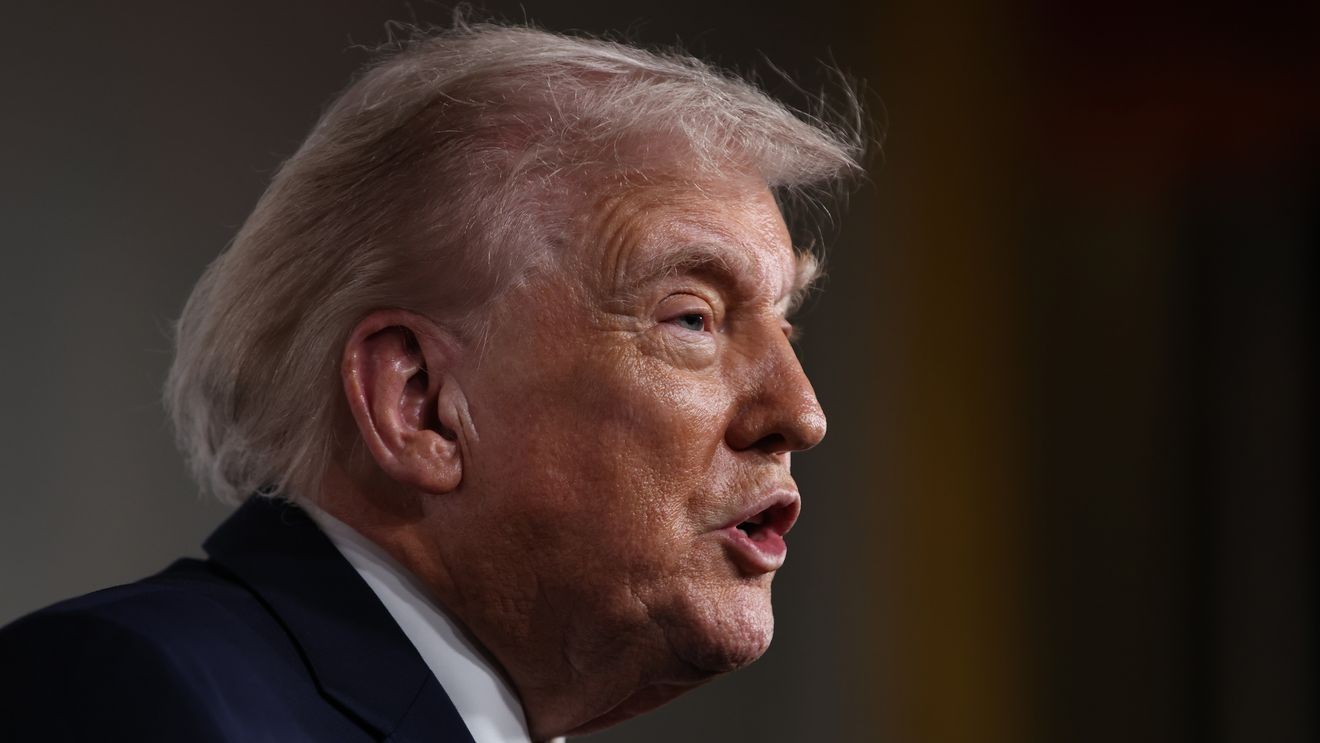
WASHINGTON (TNND) — U.S. and Iranian officials are expected to meet later this week in Turkey for discussions on a nuclear deal as President Donald Trump continues to warn Tehran of a possible attack by the military if Tehran does not agree to his conditions.
Tensions have been running high for weeks after a deadly crackdown on mass protests against the Iranian regime prompted Trump to threaten to intervene if the killing didn’t stop. Trump’s demands have shifted from the mass protests that resulted in thousands of deaths to getting Tehran back into discussions over its nuclear program.
The White House has also pushed for Iran to accept limits on its massive ballistic missiles stockpile and ending support for its proxy forces like Hezbollah and Hamas.
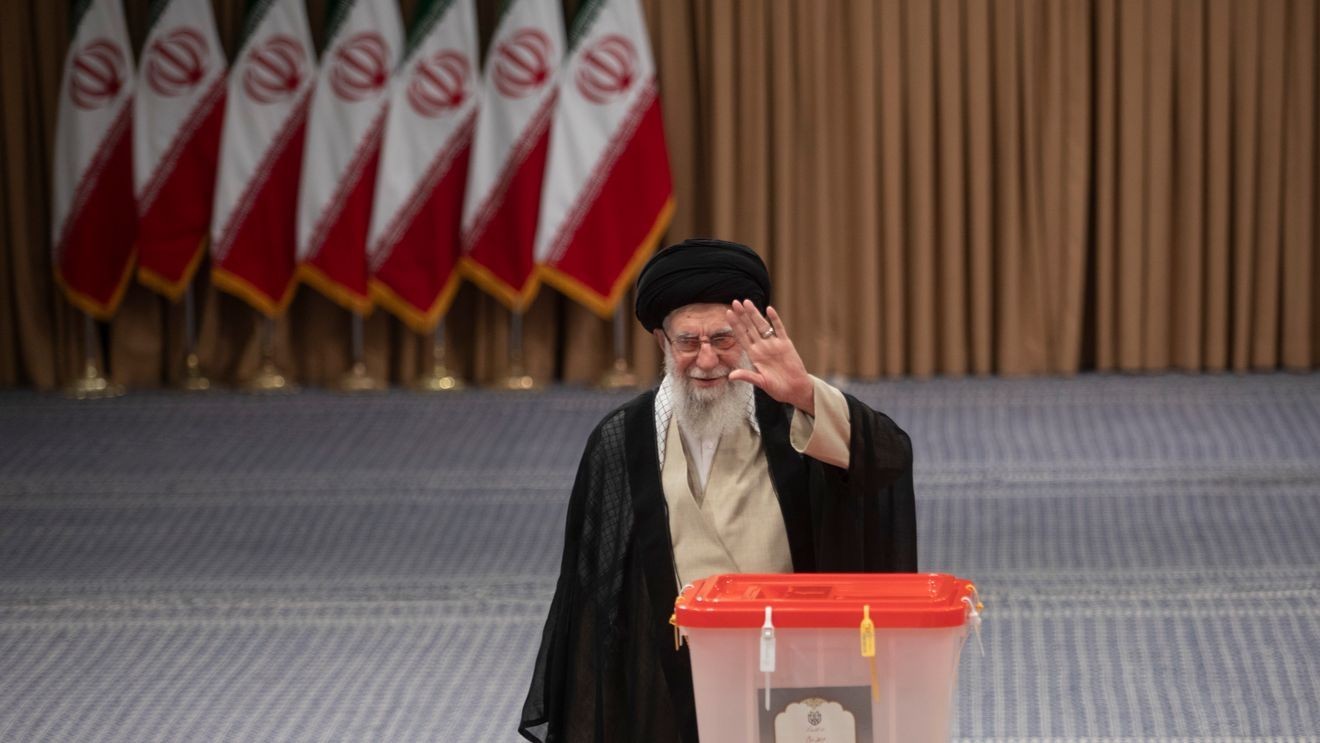
Iran’s president said in a post on X that he signed off on discussions with the U.S., the first time its leadership has offered a clear sign it is willing to negotiate after weeks of escalating rhetoric about a regional war breaking out in the Middle East if Trump signed off on military action.
“I have instructed my Minister of Foreign Affairs, provided that a suitable environment exists — one free from threats and unreasonable expectations — to pursue fair and equitable negotiations, guided by the principles of dignity, prudence, and expediency,” Masoud Pezeshkian wrote.
Prior to Pezeshkian’s sign-off, Iranian leadership had said they wouldn’t negotiate while under threat from the U.S. and warned of fallout across the Middle East if it is attacked. Concerns about the fallout in the region are shared by other Arab powers that have reportedly been working behind the scenes to persuade Trump to back off threats to launch new strikes.
Trump has said Iran wants to make a deal with the administration but has continued to keep up the risk of military force if discussions break down.
“I’d like to see a deal negotiated,” Trump said on Monday. “Right now, we’re talking to them, we’re talking to Iran, and if we could work something out, that’d be great. And if we can’t, probably bad things would happen.”
Trump withdrew from the international agreement aimed at curtailing Iran’s nuclear development program during his first term but has kept his position the country can never be allowed to possess a nuclear weapon. Indirect discussions took place last spring but fell apart after the U.S. joined Israel’s strikes on Iranian nuclear and military facilities.
The U.S. said Iran’s nuclear program suffered major damage during the campaign but is still trying to get Tehran back into an agreement to ensure it cannot be rebuilt.
“What’s the expectation on the U.S. side? Is the expectation Iran has to agree to all three of those points in the fullest possible terms, or is the Trump administration also willing to concede on one of those three, or some combination?” said Javed Ali, a former counterterrorism official in the federal government and associate professor of practice at the University of Michigan.
Iran has repeatedly insisted its nuclear program is for producing nuclear energy, but the International Atomic Energy Agency had “serious concern” before the summer bombings of its nuclear facilities that it was enriching uranium to 60%, the only “non-nuclear weapon state” to be doing so.
Tehran’s assurances it is not seeking a nuclear weapon have rejected by the U.S. and others, with reports that it is trying to rebuild its nuclear sites even deeper underground to avoid a future attack. It also banned the United Nation’s nuclear inspectors from its sites after the bombings.
The regime is in a delicate state after the protests following an economic collapse with its military and nuclear programs also in weakened states from the 12-day war with Israel along with the U.S.-aided bombing of the nuclear facilities. Its weakened position may give the U.S. leverage over discussions but also poses risks a strike could result in an outsized response.
What Iran is willing to agree to and where Trump’s line to back off the use of military force is an open question ahead of the meeting. The three conditions the U.S. has set are for Iran to end its uranium enrichment efforts, downsize its ballistic missile stockpile and to stop supporting its proxy fighting forces in the Middle East.
All of them have been rejected in the past and Iran has been resistant to limitations to its ballistic missile program, which it sees as vital to its defense.
“It boils down to these three conditions. Which of the three is the must-have, and which of the three is the one that the regime, at least in the short term, is willing to let go?” Ali said.
The prospects for Friday’s meeting were thrown into question on Tuesday when a Navy fighter jet shot down an Iranian drone that U.S. Central Command said was flying toward an American aircraft carrier. The U.S. military also said Iran’s Islamic Revolutionary Guard Corps forces harassed a merchant vessel.

 National Headline